
Get trending papers in your email inbox once a day!
Get trending papers in your email inbox!
Subscribe
Dynamic Camera Poses and Where to Find Them
Annotating camera poses on dynamic Internet videos at scale is critical for advancing fields like realistic video generation and simulation. However, collecting such a dataset is difficult, as most Internet videos are unsuitable for pose estimation. Furthermore, annotating dynamic Internet videos present significant challenges even for state-of-theart methods. In this paper, we introduce DynPose-100K, a large-scale dataset of dynamic Internet videos annotated with camera poses. Our collection pipeline addresses filtering using a carefully combined set of task-specific and generalist models. For pose estimation, we combine the latest techniques of point tracking, dynamic masking, and structure-from-motion to achieve improvements over the state-of-the-art approaches. Our analysis and experiments demonstrate that DynPose-100K is both large-scale and diverse across several key attributes, opening up avenues for advancements in various downstream applications.

CPA: Camera-pose-awareness Diffusion Transformer for Video Generation
Despite the significant advancements made by Diffusion Transformer (DiT)-based methods in video generation, there remains a notable gap with controllable camera pose perspectives. Existing works such as OpenSora do NOT adhere precisely to anticipated trajectories and physical interactions, thereby limiting the flexibility in downstream applications. To alleviate this issue, we introduce CPA, a unified camera-pose-awareness text-to-video generation approach that elaborates the camera movement and integrates the textual, visual, and spatial conditions. Specifically, we deploy the Sparse Motion Encoding (SME) module to transform camera pose information into a spatial-temporal embedding and activate the Temporal Attention Injection (TAI) module to inject motion patches into each ST-DiT block. Our plug-in architecture accommodates the original DiT parameters, facilitating diverse types of camera poses and flexible object movement. Extensive qualitative and quantitative experiments demonstrate that our method outperforms LDM-based methods for long video generation while achieving optimal performance in trajectory consistency and object consistency.
I2VControl-Camera: Precise Video Camera Control with Adjustable Motion Strength
Video generation technologies are developing rapidly and have broad potential applications. Among these technologies, camera control is crucial for generating professional-quality videos that accurately meet user expectations. However, existing camera control methods still suffer from several limitations, including control precision and the neglect of the control for subject motion dynamics. In this work, we propose I2VControl-Camera, a novel camera control method that significantly enhances controllability while providing adjustability over the strength of subject motion. To improve control precision, we employ point trajectory in the camera coordinate system instead of only extrinsic matrix information as our control signal. To accurately control and adjust the strength of subject motion, we explicitly model the higher-order components of the video trajectory expansion, not merely the linear terms, and design an operator that effectively represents the motion strength. We use an adapter architecture that is independent of the base model structure. Experiments on static and dynamic scenes show that our framework outperformances previous methods both quantitatively and qualitatively. The project page is: https://wanquanf.github.io/I2VControlCamera .


LiDAR-Camera Panoptic Segmentation via Geometry-Consistent and Semantic-Aware Alignment
3D panoptic segmentation is a challenging perception task that requires both semantic segmentation and instance segmentation. In this task, we notice that images could provide rich texture, color, and discriminative information, which can complement LiDAR data for evident performance improvement, but their fusion remains a challenging problem. To this end, we propose LCPS, the first LiDAR-Camera Panoptic Segmentation network. In our approach, we conduct LiDAR-Camera fusion in three stages: 1) an Asynchronous Compensation Pixel Alignment (ACPA) module that calibrates the coordinate misalignment caused by asynchronous problems between sensors; 2) a Semantic-Aware Region Alignment (SARA) module that extends the one-to-one point-pixel mapping to one-to-many semantic relations; 3) a Point-to-Voxel feature Propagation (PVP) module that integrates both geometric and semantic fusion information for the entire point cloud. Our fusion strategy improves about 6.9% PQ performance over the LiDAR-only baseline on NuScenes dataset. Extensive quantitative and qualitative experiments further demonstrate the effectiveness of our novel framework. The code will be released at https://github.com/zhangzw12319/lcps.git.
Robust Camera Pose Refinement for Multi-Resolution Hash Encoding
Multi-resolution hash encoding has recently been proposed to reduce the computational cost of neural renderings, such as NeRF. This method requires accurate camera poses for the neural renderings of given scenes. However, contrary to previous methods jointly optimizing camera poses and 3D scenes, the naive gradient-based camera pose refinement method using multi-resolution hash encoding severely deteriorates performance. We propose a joint optimization algorithm to calibrate the camera pose and learn a geometric representation using efficient multi-resolution hash encoding. Showing that the oscillating gradient flows of hash encoding interfere with the registration of camera poses, our method addresses the issue by utilizing smooth interpolation weighting to stabilize the gradient oscillation for the ray samplings across hash grids. Moreover, the curriculum training procedure helps to learn the level-wise hash encoding, further increasing the pose refinement. Experiments on the novel-view synthesis datasets validate that our learning frameworks achieve state-of-the-art performance and rapid convergence of neural rendering, even when initial camera poses are unknown.




RGB-Only Supervised Camera Parameter Optimization in Dynamic Scenes
Although COLMAP has long remained the predominant method for camera parameter optimization in static scenes, it is constrained by its lengthy runtime and reliance on ground truth (GT) motion masks for application to dynamic scenes. Many efforts attempted to improve it by incorporating more priors as supervision such as GT focal length, motion masks, 3D point clouds, camera poses, and metric depth, which, however, are typically unavailable in casually captured RGB videos. In this paper, we propose a novel method for more accurate and efficient camera parameter optimization in dynamic scenes solely supervised by a single RGB video. Our method consists of three key components: (1) Patch-wise Tracking Filters, to establish robust and maximally sparse hinge-like relations across the RGB video. (2) Outlier-aware Joint Optimization, for efficient camera parameter optimization by adaptive down-weighting of moving outliers, without reliance on motion priors. (3) A Two-stage Optimization Strategy, to enhance stability and optimization speed by a trade-off between the Softplus limits and convex minima in losses. We visually and numerically evaluate our camera estimates. To further validate accuracy, we feed the camera estimates into a 4D reconstruction method and assess the resulting 3D scenes, and rendered 2D RGB and depth maps. We perform experiments on 4 real-world datasets (NeRF-DS, DAVIS, iPhone, and TUM-dynamics) and 1 synthetic dataset (MPI-Sintel), demonstrating that our method estimates camera parameters more efficiently and accurately with a single RGB video as the only supervision.

Reloc3r: Large-Scale Training of Relative Camera Pose Regression for Generalizable, Fast, and Accurate Visual Localization
Visual localization aims to determine the camera pose of a query image relative to a database of posed images. In recent years, deep neural networks that directly regress camera poses have gained popularity due to their fast inference capabilities. However, existing methods struggle to either generalize well to new scenes or provide accurate camera pose estimates. To address these issues, we present Reloc3r, a simple yet effective visual localization framework. It consists of an elegantly designed relative pose regression network, and a minimalist motion averaging module for absolute pose estimation. Trained on approximately 8 million posed image pairs, Reloc3r achieves surprisingly good performance and generalization ability. We conduct extensive experiments on 6 public datasets, consistently demonstrating the effectiveness and efficiency of the proposed method. It provides high-quality camera pose estimates in real time and generalizes to novel scenes. Code, weights, and data at: https://github.com/ffrivera0/reloc3r.

FlowMap: High-Quality Camera Poses, Intrinsics, and Depth via Gradient Descent
This paper introduces FlowMap, an end-to-end differentiable method that solves for precise camera poses, camera intrinsics, and per-frame dense depth of a video sequence. Our method performs per-video gradient-descent minimization of a simple least-squares objective that compares the optical flow induced by depth, intrinsics, and poses against correspondences obtained via off-the-shelf optical flow and point tracking. Alongside the use of point tracks to encourage long-term geometric consistency, we introduce differentiable re-parameterizations of depth, intrinsics, and pose that are amenable to first-order optimization. We empirically show that camera parameters and dense depth recovered by our method enable photo-realistic novel view synthesis on 360-degree trajectories using Gaussian Splatting. Our method not only far outperforms prior gradient-descent based bundle adjustment methods, but surprisingly performs on par with COLMAP, the state-of-the-art SfM method, on the downstream task of 360-degree novel view synthesis (even though our method is purely gradient-descent based, fully differentiable, and presents a complete departure from conventional SfM).
LEAP: Liberate Sparse-view 3D Modeling from Camera Poses
Are camera poses necessary for multi-view 3D modeling? Existing approaches predominantly assume access to accurate camera poses. While this assumption might hold for dense views, accurately estimating camera poses for sparse views is often elusive. Our analysis reveals that noisy estimated poses lead to degraded performance for existing sparse-view 3D modeling methods. To address this issue, we present LEAP, a novel pose-free approach, therefore challenging the prevailing notion that camera poses are indispensable. LEAP discards pose-based operations and learns geometric knowledge from data. LEAP is equipped with a neural volume, which is shared across scenes and is parameterized to encode geometry and texture priors. For each incoming scene, we update the neural volume by aggregating 2D image features in a feature-similarity-driven manner. The updated neural volume is decoded into the radiance field, enabling novel view synthesis from any viewpoint. On both object-centric and scene-level datasets, we show that LEAP significantly outperforms prior methods when they employ predicted poses from state-of-the-art pose estimators. Notably, LEAP performs on par with prior approaches that use ground-truth poses while running 400times faster than PixelNeRF. We show LEAP generalizes to novel object categories and scenes, and learns knowledge closely resembles epipolar geometry. Project page: https://hwjiang1510.github.io/LEAP/


ID-Pose: Sparse-view Camera Pose Estimation by Inverting Diffusion Models
Given sparse views of an object, estimating their camera poses is a long-standing and intractable problem. We harness the pre-trained diffusion model of novel views conditioned on viewpoints (Zero-1-to-3). We present ID-Pose which inverses the denoising diffusion process to estimate the relative pose given two input images. ID-Pose adds a noise on one image, and predicts the noise conditioned on the other image and a decision variable for the pose. The prediction error is used as the objective to find the optimal pose with the gradient descent method. ID-Pose can handle more than two images and estimate each of the poses with multiple image pairs from triangular relationships. ID-Pose requires no training and generalizes to real-world images. We conduct experiments using high-quality real-scanned 3D objects, where ID-Pose significantly outperforms state-of-the-art methods.


PostCam: Camera-Controllable Novel-View Video Generation with Query-Shared Cross-Attention
We propose PostCam, a framework for novel-view video generation that enables post-capture editing of camera trajectories in dynamic scenes. We find that existing video recapture methods suffer from suboptimal camera motion injection strategies; such suboptimal designs not only limit camera control precision but also result in generated videos that fail to preserve fine visual details from the source video. To achieve more accurate and flexible motion manipulation, PostCam introduces a query-shared cross-attention module. It integrates two distinct forms of control signals: the 6-DoF camera poses and the 2D rendered video frames. By fusing them into a unified representation within a shared feature space, our model can extract underlying motion cues, which enhances both control precision and generation quality. Furthermore, we adopt a two-stage training strategy: the model first learns coarse camera control from pose inputs, and then incorporates visual information to refine motion accuracy and enhance visual fidelity. Experiments on both real-world and synthetic datasets demonstrate that PostCam outperforms state-of-the-art methods by over 20% in camera control precision and view consistency, while achieving the highest video generation quality. Our project webpage is publicly available at: https://cccqaq.github.io/PostCam.github.io/
EventFly: Event Camera Perception from Ground to the Sky
Cross-platform adaptation in event-based dense perception is crucial for deploying event cameras across diverse settings, such as vehicles, drones, and quadrupeds, each with unique motion dynamics, viewpoints, and class distributions. In this work, we introduce EventFly, a framework for robust cross-platform adaptation in event camera perception. Our approach comprises three key components: i) Event Activation Prior (EAP), which identifies high-activation regions in the target domain to minimize prediction entropy, fostering confident, domain-adaptive predictions; ii) EventBlend, a data-mixing strategy that integrates source and target event voxel grids based on EAP-driven similarity and density maps, enhancing feature alignment; and iii) EventMatch, a dual-discriminator technique that aligns features from source, target, and blended domains for better domain-invariant learning. To holistically assess cross-platform adaptation abilities, we introduce EXPo, a large-scale benchmark with diverse samples across vehicle, drone, and quadruped platforms. Extensive experiments validate our effectiveness, demonstrating substantial gains over popular adaptation methods. We hope this work can pave the way for more adaptive, high-performing event perception across diverse and complex environments.

PreciseCam: Precise Camera Control for Text-to-Image Generation
Images as an artistic medium often rely on specific camera angles and lens distortions to convey ideas or emotions; however, such precise control is missing in current text-to-image models. We propose an efficient and general solution that allows precise control over the camera when generating both photographic and artistic images. Unlike prior methods that rely on predefined shots, we rely solely on four simple extrinsic and intrinsic camera parameters, removing the need for pre-existing geometry, reference 3D objects, and multi-view data. We also present a novel dataset with more than 57,000 images, along with their text prompts and ground-truth camera parameters. Our evaluation shows precise camera control in text-to-image generation, surpassing traditional prompt engineering approaches. Our data, model, and code are publicly available at https://graphics.unizar.es/projects/PreciseCam2024.

CamCtrl3D: Single-Image Scene Exploration with Precise 3D Camera Control
We propose a method for generating fly-through videos of a scene, from a single image and a given camera trajectory. We build upon an image-to-video latent diffusion model. We condition its UNet denoiser on the camera trajectory, using four techniques. (1) We condition the UNet's temporal blocks on raw camera extrinsics, similar to MotionCtrl. (2) We use images containing camera rays and directions, similar to CameraCtrl. (3) We reproject the initial image to subsequent frames and use the resulting video as a condition. (4) We use 2D<=>3D transformers to introduce a global 3D representation, which implicitly conditions on the camera poses. We combine all conditions in a ContolNet-style architecture. We then propose a metric that evaluates overall video quality and the ability to preserve details with view changes, which we use to analyze the trade-offs of individual and combined conditions. Finally, we identify an optimal combination of conditions. We calibrate camera positions in our datasets for scale consistency across scenes, and we train our scene exploration model, CamCtrl3D, demonstrating state-of-theart results.
GSLoc: Efficient Camera Pose Refinement via 3D Gaussian Splatting
We leverage 3D Gaussian Splatting (3DGS) as a scene representation and propose a novel test-time camera pose refinement framework, GSLoc. This framework enhances the localization accuracy of state-of-the-art absolute pose regression and scene coordinate regression methods. The 3DGS model renders high-quality synthetic images and depth maps to facilitate the establishment of 2D-3D correspondences. GSLoc obviates the need for training feature extractors or descriptors by operating directly on RGB images, utilizing the 3D vision foundation model, MASt3R, for precise 2D matching. To improve the robustness of our model in challenging outdoor environments, we incorporate an exposure-adaptive module within the 3DGS framework. Consequently, GSLoc enables efficient pose refinement given a single RGB query and a coarse initial pose estimation. Our proposed approach surpasses leading NeRF-based optimization methods in both accuracy and runtime across indoor and outdoor visual localization benchmarks, achieving state-of-the-art accuracy on two indoor datasets.
ADen: Adaptive Density Representations for Sparse-view Camera Pose Estimation
Recovering camera poses from a set of images is a foundational task in 3D computer vision, which powers key applications such as 3D scene/object reconstructions. Classic methods often depend on feature correspondence, such as keypoints, which require the input images to have large overlap and small viewpoint changes. Such requirements present considerable challenges in scenarios with sparse views. Recent data-driven approaches aim to directly output camera poses, either through regressing the 6DoF camera poses or formulating rotation as a probability distribution. However, each approach has its limitations. On one hand, directly regressing the camera poses can be ill-posed, since it assumes a single mode, which is not true under symmetry and leads to sub-optimal solutions. On the other hand, probabilistic approaches are capable of modeling the symmetry ambiguity, yet they sample the entire space of rotation uniformly by brute-force. This leads to an inevitable trade-off between high sample density, which improves model precision, and sample efficiency that determines the runtime. In this paper, we propose ADen to unify the two frameworks by employing a generator and a discriminator: the generator is trained to output multiple hypotheses of 6DoF camera pose to represent a distribution and handle multi-mode ambiguity, and the discriminator is trained to identify the hypothesis that best explains the data. This allows ADen to combine the best of both worlds, achieving substantially higher precision as well as lower runtime than previous methods in empirical evaluations.
The WILDTRACK Multi-Camera Person Dataset
People detection methods are highly sensitive to the perpetual occlusions among the targets. As multi-camera set-ups become more frequently encountered, joint exploitation of the across views information would allow for improved detection performances. We provide a large-scale HD dataset named WILDTRACK which finally makes advanced deep learning methods applicable to this problem. The seven-static-camera set-up captures realistic and challenging scenarios of walking people. Notably, its camera calibration with jointly high-precision projection widens the range of algorithms which may make use of this dataset. In aim to help accelerate the research on automatic camera calibration, such annotations also accompany this dataset. Furthermore, the rich-in-appearance visual context of the pedestrian class makes this dataset attractive for monocular pedestrian detection as well, since: the HD cameras are placed relatively close to the people, and the size of the dataset further increases seven-fold. In summary, we overview existing multi-camera datasets and detection methods, enumerate details of our dataset, and we benchmark multi-camera state of the art detectors on this new dataset.
Camera Calibration through Geometric Constraints from Rotation and Projection Matrices
The process of camera calibration involves estimating the intrinsic and extrinsic parameters, which are essential for accurately performing tasks such as 3D reconstruction, object tracking and augmented reality. In this work, we propose a novel constraints-based loss for measuring the intrinsic (focal length: (f_x, f_y) and principal point: (p_x, p_y)) and extrinsic (baseline: (b), disparity: (d), translation: (t_x, t_y, t_z), and rotation specifically pitch: (theta_p)) camera parameters. Our novel constraints are based on geometric properties inherent in the camera model, including the anatomy of the projection matrix (vanishing points, image of world origin, axis planes) and the orthonormality of the rotation matrix. Thus we proposed a novel Unsupervised Geometric Constraint Loss (UGCL) via a multitask learning framework. Our methodology is a hybrid approach that employs the learning power of a neural network to estimate the desired parameters along with the underlying mathematical properties inherent in the camera projection matrix. This distinctive approach not only enhances the interpretability of the model but also facilitates a more informed learning process. Additionally, we introduce a new CVGL Camera Calibration dataset, featuring over 900 configurations of camera parameters, incorporating 63,600 image pairs that closely mirror real-world conditions. By training and testing on both synthetic and real-world datasets, our proposed approach demonstrates improvements across all parameters when compared to the state-of-the-art (SOTA) benchmarks. The code and the updated dataset can be found here: https://github.com/CVLABLUMS/CVGL-Camera-Calibration
GEN3C: 3D-Informed World-Consistent Video Generation with Precise Camera Control
We present GEN3C, a generative video model with precise Camera Control and temporal 3D Consistency. Prior video models already generate realistic videos, but they tend to leverage little 3D information, leading to inconsistencies, such as objects popping in and out of existence. Camera control, if implemented at all, is imprecise, because camera parameters are mere inputs to the neural network which must then infer how the video depends on the camera. In contrast, GEN3C is guided by a 3D cache: point clouds obtained by predicting the pixel-wise depth of seed images or previously generated frames. When generating the next frames, GEN3C is conditioned on the 2D renderings of the 3D cache with the new camera trajectory provided by the user. Crucially, this means that GEN3C neither has to remember what it previously generated nor does it have to infer the image structure from the camera pose. The model, instead, can focus all its generative power on previously unobserved regions, as well as advancing the scene state to the next frame. Our results demonstrate more precise camera control than prior work, as well as state-of-the-art results in sparse-view novel view synthesis, even in challenging settings such as driving scenes and monocular dynamic video. Results are best viewed in videos. Check out our webpage! https://research.nvidia.com/labs/toronto-ai/GEN3C/

WinT3R: Window-Based Streaming Reconstruction with Camera Token Pool
We present WinT3R, a feed-forward reconstruction model capable of online prediction of precise camera poses and high-quality point maps. Previous methods suffer from a trade-off between reconstruction quality and real-time performance. To address this, we first introduce a sliding window mechanism that ensures sufficient information exchange among frames within the window, thereby improving the quality of geometric predictions without large computation. In addition, we leverage a compact representation of cameras and maintain a global camera token pool, which enhances the reliability of camera pose estimation without sacrificing efficiency. These designs enable WinT3R to achieve state-of-the-art performance in terms of online reconstruction quality, camera pose estimation, and reconstruction speed, as validated by extensive experiments on diverse datasets. Code and model are publicly available at https://github.com/LiZizun/WinT3R.



AnyCam: Learning to Recover Camera Poses and Intrinsics from Casual Videos
Estimating camera motion and intrinsics from casual videos is a core challenge in computer vision. Traditional bundle-adjustment based methods, such as SfM and SLAM, struggle to perform reliably on arbitrary data. Although specialized SfM approaches have been developed for handling dynamic scenes, they either require intrinsics or computationally expensive test-time optimization and often fall short in performance. Recently, methods like Dust3r have reformulated the SfM problem in a more data-driven way. While such techniques show promising results, they are still 1) not robust towards dynamic objects and 2) require labeled data for supervised training. As an alternative, we propose AnyCam, a fast transformer model that directly estimates camera poses and intrinsics from a dynamic video sequence in feed-forward fashion. Our intuition is that such a network can learn strong priors over realistic camera poses. To scale up our training, we rely on an uncertainty-based loss formulation and pre-trained depth and flow networks instead of motion or trajectory supervision. This allows us to use diverse, unlabelled video datasets obtained mostly from YouTube. Additionally, we ensure that the predicted trajectory does not accumulate drift over time through a lightweight trajectory refinement step. We test AnyCam on established datasets, where it delivers accurate camera poses and intrinsics both qualitatively and quantitatively. Furthermore, even with trajectory refinement, AnyCam is significantly faster than existing works for SfM in dynamic settings. Finally, by combining camera information, uncertainty, and depth, our model can produce high-quality 4D pointclouds.

PROFusion: Robust and Accurate Dense Reconstruction via Camera Pose Regression and Optimization
Real-time dense scene reconstruction during unstable camera motions is crucial for robotics, yet current RGB-D SLAM systems fail when cameras experience large viewpoint changes, fast motions, or sudden shaking. Classical optimization-based methods deliver high accuracy but fail with poor initialization during large motions, while learning-based approaches provide robustness but lack sufficient accuracy for dense reconstruction. We address this challenge through a combination of learning-based initialization with optimization-based refinement. Our method employs a camera pose regression network to predict metric-aware relative poses from consecutive RGB-D frames, which serve as reliable starting points for a randomized optimization algorithm that further aligns depth images with the scene geometry. Extensive experiments demonstrate promising results: our approach outperforms the best competitor on challenging benchmarks, while maintaining comparable accuracy on stable motion sequences. The system operates in real-time, showcasing that combining simple and principled techniques can achieve both robustness for unstable motions and accuracy for dense reconstruction. Project page: https://github.com/siyandong/PROFusion.
Finding 3D Positions of Distant Objects from Noisy Camera Movement and Semantic Segmentation Sequences
3D object localisation based on a sequence of camera measurements is essential for safety-critical surveillance tasks, such as drone-based wildfire monitoring. Localisation of objects detected with a camera can typically be solved with dense depth estimation or 3D scene reconstruction. However, in the context of distant objects or tasks limited by the amount of available computational resources, neither solution is feasible. In this paper, we show that the task can be solved using particle filters for both single and multiple target scenarios. The method was studied using a 3D simulation and a drone-based image segmentation sequence with global navigation satellite system (GNSS)-based camera pose estimates. The results showed that a particle filter can be used to solve practical localisation tasks based on camera poses and image segments in these situations where other solutions fail. The particle filter is independent of the detection method, making it flexible for new tasks. The study also demonstrates that drone-based wildfire monitoring can be conducted using the proposed method paired with a pre-existing image segmentation model.

NoPose-NeuS: Jointly Optimizing Camera Poses with Neural Implicit Surfaces for Multi-view Reconstruction
Learning neural implicit surfaces from volume rendering has become popular for multi-view reconstruction. Neural surface reconstruction approaches can recover complex 3D geometry that are difficult for classical Multi-view Stereo (MVS) approaches, such as non-Lambertian surfaces and thin structures. However, one key assumption for these methods is knowing accurate camera parameters for the input multi-view images, which are not always available. In this paper, we present NoPose-NeuS, a neural implicit surface reconstruction method that extends NeuS to jointly optimize camera poses with the geometry and color networks. We encode the camera poses as a multi-layer perceptron (MLP) and introduce two additional losses, which are multi-view feature consistency and rendered depth losses, to constrain the learned geometry for better estimated camera poses and scene surfaces. Extensive experiments on the DTU dataset show that the proposed method can estimate relatively accurate camera poses, while maintaining a high surface reconstruction quality with 0.89 mean Chamfer distance.
GeLoc3r: Enhancing Relative Camera Pose Regression with Geometric Consistency Regularization
Prior ReLoc3R achieves breakthrough performance with fast 25ms inference and state-of-the-art regression accuracy, yet our analysis reveals subtle geometric inconsistencies in its internal representations that prevent reaching the precision ceiling of correspondence-based methods like MASt3R (which require 300ms per pair). In this work, we present GeLoc3r, a novel approach to relative camera pose estimation that enhances pose regression methods through Geometric Consistency Regularization (GCR). GeLoc3r overcomes the speed-accuracy dilemma by training regression networks to produce geometrically consistent poses without inference-time geometric computation. During training, GeLoc3r leverages ground-truth depth to generate dense 3D-2D correspondences, weights them using a FusionTransformer that learns correspondence importance, and computes geometrically-consistent poses via weighted RANSAC. This creates a consistency loss that transfers geometric knowledge into the regression network. Unlike FAR method which requires both regression and geometric solving at inference, GeLoc3r only uses the enhanced regression head at test time, maintaining ReLoc3R's fast speed and approaching MASt3R's high accuracy. On challenging benchmarks, GeLoc3r consistently outperforms ReLoc3R, achieving significant improvements including 40.45% vs. 34.85% AUC@5° on the CO3Dv2 dataset (16% relative improvement), 68.66% vs. 66.70% AUC@5° on RealEstate10K, and 50.45% vs. 49.60% on MegaDepth1500. By teaching geometric consistency during training rather than enforcing it at inference, GeLoc3r represents a paradigm shift in how neural networks learn camera geometry, achieving both the speed of regression and the geometric understanding of correspondence methods.
3R-GS: Best Practice in Optimizing Camera Poses Along with 3DGS
3D Gaussian Splatting (3DGS) has revolutionized neural rendering with its efficiency and quality, but like many novel view synthesis methods, it heavily depends on accurate camera poses from Structure-from-Motion (SfM) systems. Although recent SfM pipelines have made impressive progress, questions remain about how to further improve both their robust performance in challenging conditions (e.g., textureless scenes) and the precision of camera parameter estimation simultaneously. We present 3R-GS, a 3D Gaussian Splatting framework that bridges this gap by jointly optimizing 3D Gaussians and camera parameters from large reconstruction priors MASt3R-SfM. We note that naively performing joint 3D Gaussian and camera optimization faces two challenges: the sensitivity to the quality of SfM initialization, and its limited capacity for global optimization, leading to suboptimal reconstruction results. Our 3R-GS, overcomes these issues by incorporating optimized practices, enabling robust scene reconstruction even with imperfect camera registration. Extensive experiments demonstrate that 3R-GS delivers high-quality novel view synthesis and precise camera pose estimation while remaining computationally efficient. Project page: https://zsh523.github.io/3R-GS/
iComMa: Inverting 3D Gaussian Splatting for Camera Pose Estimation via Comparing and Matching
We present a method named iComMa to address the 6D camera pose estimation problem in computer vision. Conventional pose estimation methods typically rely on the target's CAD model or necessitate specific network training tailored to particular object classes. Some existing methods have achieved promising results in mesh-free object and scene pose estimation by inverting the Neural Radiance Fields (NeRF). However, they still struggle with adverse initializations such as large rotations and translations. To address this issue, we propose an efficient method for accurate camera pose estimation by inverting 3D Gaussian Splatting (3DGS). Specifically, a gradient-based differentiable framework optimizes camera pose by minimizing the residual between the query image and the rendered image, requiring no training. An end-to-end matching module is designed to enhance the model's robustness against adverse initializations, while minimizing pixel-level comparing loss aids in precise pose estimation. Experimental results on synthetic and complex real-world data demonstrate the effectiveness of the proposed approach in challenging conditions and the accuracy of camera pose estimation.
IL-NeRF: Incremental Learning for Neural Radiance Fields with Camera Pose Alignment
Neural radiance fields (NeRF) is a promising approach for generating photorealistic images and representing complex scenes. However, when processing data sequentially, it can suffer from catastrophic forgetting, where previous data is easily forgotten after training with new data. Existing incremental learning methods using knowledge distillation assume that continuous data chunks contain both 2D images and corresponding camera pose parameters, pre-estimated from the complete dataset. This poses a paradox as the necessary camera pose must be estimated from the entire dataset, even though the data arrives sequentially and future chunks are inaccessible. In contrast, we focus on a practical scenario where camera poses are unknown. We propose IL-NeRF, a novel framework for incremental NeRF training, to address this challenge. IL-NeRF's key idea lies in selecting a set of past camera poses as references to initialize and align the camera poses of incoming image data. This is followed by a joint optimization of camera poses and replay-based NeRF distillation. Our experiments on real-world indoor and outdoor scenes show that IL-NeRF handles incremental NeRF training and outperforms the baselines by up to 54.04% in rendering quality.

Improving Robustness for Joint Optimization of Camera Poses and Decomposed Low-Rank Tensorial Radiance Fields
In this paper, we propose an algorithm that allows joint refinement of camera pose and scene geometry represented by decomposed low-rank tensor, using only 2D images as supervision. First, we conduct a pilot study based on a 1D signal and relate our findings to 3D scenarios, where the naive joint pose optimization on voxel-based NeRFs can easily lead to sub-optimal solutions. Moreover, based on the analysis of the frequency spectrum, we propose to apply convolutional Gaussian filters on 2D and 3D radiance fields for a coarse-to-fine training schedule that enables joint camera pose optimization. Leveraging the decomposition property in decomposed low-rank tensor, our method achieves an equivalent effect to brute-force 3D convolution with only incurring little computational overhead. To further improve the robustness and stability of joint optimization, we also propose techniques of smoothed 2D supervision, randomly scaled kernel parameters, and edge-guided loss mask. Extensive quantitative and qualitative evaluations demonstrate that our proposed framework achieves superior performance in novel view synthesis as well as rapid convergence for optimization.

Alligat0R: Pre-Training Through Co-Visibility Segmentation for Relative Camera Pose Regression
Pre-training techniques have greatly advanced computer vision, with CroCo's cross-view completion approach yielding impressive results in tasks like 3D reconstruction and pose regression. However, this method requires substantial overlap between training pairs, limiting its effectiveness. We introduce Alligat0R, a novel pre-training approach that reformulates cross-view learning as a co-visibility segmentation task. Our method predicts whether each pixel in one image is co-visible in the second image, occluded, or outside the field of view (FOV), enabling the use of image pairs with any degree of overlap and providing interpretable predictions. To support this, we present Cub3, a large-scale dataset with 2.5 million image pairs and dense co-visibility annotations derived from the nuScenes dataset. This dataset includes diverse scenarios with varying degrees of overlap. The experiments show that Alligat0R significantly outperforms CroCo in relative pose regression, especially in scenarios with limited overlap. Alligat0R and Cub3 will be made publicly available.
Princeton365: A Diverse Dataset with Accurate Camera Pose
We introduce Princeton365, a large-scale diverse dataset of 365 videos with accurate camera pose. Our dataset bridges the gap between accuracy and data diversity in current SLAM benchmarks by introducing a novel ground truth collection framework that leverages calibration boards and a 360-camera. We collect indoor, outdoor, and object scanning videos with synchronized monocular and stereo RGB video outputs as well as IMU. We further propose a new scene scale-aware evaluation metric for SLAM based on the the optical flow induced by the camera pose estimation error. In contrast to the current metrics, our new metric allows for comparison between the performance of SLAM methods across scenes as opposed to existing metrics such as Average Trajectory Error (ATE), allowing researchers to analyze the failure modes of their methods. We also propose a challenging Novel View Synthesis benchmark that covers cases not covered by current NVS benchmarks, such as fully non-Lambertian scenes with 360-degree camera trajectories. Please visit https://princeton365.cs.princeton.edu for the dataset, code, videos, and submission.

SPVLoc: Semantic Panoramic Viewport Matching for 6D Camera Localization in Unseen Environments
In this paper, we present SPVLoc, a global indoor localization method that accurately determines the six-dimensional (6D) camera pose of a query image and requires minimal scene-specific prior knowledge and no scene-specific training. Our approach employs a novel matching procedure to localize the perspective camera's viewport, given as an RGB image, within a set of panoramic semantic layout representations of the indoor environment. The panoramas are rendered from an untextured 3D reference model, which only comprises approximate structural information about room shapes, along with door and window annotations. We demonstrate that a straightforward convolutional network structure can successfully achieve image-to-panorama and ultimately image-to-model matching. Through a viewport classification score, we rank reference panoramas and select the best match for the query image. Then, a 6D relative pose is estimated between the chosen panorama and query image. Our experiments demonstrate that this approach not only efficiently bridges the domain gap but also generalizes well to previously unseen scenes that are not part of the training data. Moreover, it achieves superior localization accuracy compared to the state of the art methods and also estimates more degrees of freedom of the camera pose. Our source code is publicly available at https://fraunhoferhhi.github.io/spvloc .
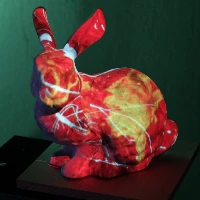
FAR: Flexible, Accurate and Robust 6DoF Relative Camera Pose Estimation
Estimating relative camera poses between images has been a central problem in computer vision. Methods that find correspondences and solve for the fundamental matrix offer high precision in most cases. Conversely, methods predicting pose directly using neural networks are more robust to limited overlap and can infer absolute translation scale, but at the expense of reduced precision. We show how to combine the best of both methods; our approach yields results that are both precise and robust, while also accurately inferring translation scales. At the heart of our model lies a Transformer that (1) learns to balance between solved and learned pose estimations, and (2) provides a prior to guide a solver. A comprehensive analysis supports our design choices and demonstrates that our method adapts flexibly to various feature extractors and correspondence estimators, showing state-of-the-art performance in 6DoF pose estimation on Matterport3D, InteriorNet, StreetLearn, and Map-free Relocalization.



Differentiable Sensor Layouts for End-to-End Learning of Task-Specific Camera Parameters
The success of deep learning is frequently described as the ability to train all parameters of a network on a specific application in an end-to-end fashion. Yet, several design choices on the camera level, including the pixel layout of the sensor, are considered as pre-defined and fixed, and high resolution, regular pixel layouts are considered to be the most generic ones in computer vision and graphics, treating all regions of an image as equally important. While several works have considered non-uniform, \eg, hexagonal or foveated, pixel layouts in hardware and image processing, the layout has not been integrated into the end-to-end learning paradigm so far. In this work, we present the first truly end-to-end trained imaging pipeline that optimizes the size and distribution of pixels on the imaging sensor jointly with the parameters of a given neural network on a specific task. We derive an analytic, differentiable approach for the sensor layout parameterization that allows for task-specific, local varying pixel resolutions. We present two pixel layout parameterization functions: rectangular and curvilinear grid shapes that retain a regular topology. We provide a drop-in module that approximates sensor simulation given existing high-resolution images to directly connect our method with existing deep learning models. We show that network predictions benefit from learnable pixel layouts for two different downstream tasks, classification and semantic segmentation.
CameraMaster: Unified Camera Semantic-Parameter Control for Photography Retouching
Text-guided diffusion models have greatly advanced image editing and generation. However, achieving physically consistent image retouching with precise parameter control (e.g., exposure, white balance, zoom) remains challenging. Existing methods either rely solely on ambiguous and entangled text prompts, which hinders precise camera control, or train separate heads/weights for parameter adjustment, which compromises scalability, multi-parameter composition, and sensitivity to subtle variations. To address these limitations, we propose CameraMaster, a unified camera-aware framework for image retouching. The key idea is to explicitly decouple the camera directive and then coherently integrate two critical information streams: a directive representation that captures the photographer's intent, and a parameter embedding that encodes precise camera settings. CameraMaster first uses the camera parameter embedding to modulate both the camera directive and the content semantics. The modulated directive is then injected into the content features via cross-attention, yielding a strongly camera-sensitive semantic context. In addition, the directive and camera embeddings are injected as conditioning and gating signals into the time embedding, enabling unified, layer-wise modulation throughout the denoising process and enforcing tight semantic-parameter alignment. To train and evaluate CameraMaster, we construct a large-scale dataset of 78K image-prompt pairs annotated with camera parameters. Extensive experiments show that CameraMaster produces monotonic and near-linear responses to parameter variations, supports seamless multi-parameter composition, and significantly outperforms existing methods.
Correspondences of the Third Kind: Camera Pose Estimation from Object Reflection
Computer vision has long relied on two kinds of correspondences: pixel correspondences in images and 3D correspondences on object surfaces. Is there another kind, and if there is, what can they do for us? In this paper, we introduce correspondences of the third kind we call reflection correspondences and show that they can help estimate camera pose by just looking at objects without relying on the background. Reflection correspondences are point correspondences in the reflected world, i.e., the scene reflected by the object surface. The object geometry and reflectance alters the scene geometrically and radiometrically, respectively, causing incorrect pixel correspondences. Geometry recovered from each image is also hampered by distortions, namely generalized bas-relief ambiguity, leading to erroneous 3D correspondences. We show that reflection correspondences can resolve the ambiguities arising from these distortions. We introduce a neural correspondence estimator and a RANSAC algorithm that fully leverages all three kinds of correspondences for robust and accurate joint camera pose and object shape estimation just from the object appearance. The method expands the horizon of numerous downstream tasks, including camera pose estimation for appearance modeling (e.g., NeRF) and motion estimation of reflective objects (e.g., cars on the road), to name a few, as it relieves the requirement of overlapping background.

MonoNeRF: Learning Generalizable NeRFs from Monocular Videos without Camera Pose
We propose a generalizable neural radiance fields - MonoNeRF, that can be trained on large-scale monocular videos of moving in static scenes without any ground-truth annotations of depth and camera poses. MonoNeRF follows an Autoencoder-based architecture, where the encoder estimates the monocular depth and the camera pose, and the decoder constructs a Multiplane NeRF representation based on the depth encoder feature, and renders the input frames with the estimated camera. The learning is supervised by the reconstruction error. Once the model is learned, it can be applied to multiple applications including depth estimation, camera pose estimation, and single-image novel view synthesis. More qualitative results are available at: https://oasisyang.github.io/mononerf .
NVSMask3D: Hard Visual Prompting with Camera Pose Interpolation for 3D Open Vocabulary Instance Segmentation
Vision-language models (VLMs) have demonstrated impressive zero-shot transfer capabilities in image-level visual perception tasks. However, they fall short in 3D instance-level segmentation tasks that require accurate localization and recognition of individual objects. To bridge this gap, we introduce a novel 3D Gaussian Splatting based hard visual prompting approach that leverages camera interpolation to generate diverse viewpoints around target objects without any 2D-3D optimization or fine-tuning. Our method simulates realistic 3D perspectives, effectively augmenting existing hard visual prompts by enforcing geometric consistency across viewpoints. This training-free strategy seamlessly integrates with prior hard visual prompts, enriching object-descriptive features and enabling VLMs to achieve more robust and accurate 3D instance segmentation in diverse 3D scenes.
RCDN: Towards Robust Camera-Insensitivity Collaborative Perception via Dynamic Feature-based 3D Neural Modeling
Collaborative perception is dedicated to tackling the constraints of single-agent perception, such as occlusions, based on the multiple agents' multi-view sensor inputs. However, most existing works assume an ideal condition that all agents' multi-view cameras are continuously available. In reality, cameras may be highly noisy, obscured or even failed during the collaboration. In this work, we introduce a new robust camera-insensitivity problem: how to overcome the issues caused by the failed camera perspectives, while stabilizing high collaborative performance with low calibration cost? To address above problems, we propose RCDN, a Robust Camera-insensitivity collaborative perception with a novel Dynamic feature-based 3D Neural modeling mechanism. The key intuition of RCDN is to construct collaborative neural rendering field representations to recover failed perceptual messages sent by multiple agents. To better model collaborative neural rendering field, RCDN first establishes a geometry BEV feature based time-invariant static field with other agents via fast hash grid modeling. Based on the static background field, the proposed time-varying dynamic field can model corresponding motion vectors for foregrounds with appropriate positions. To validate RCDN, we create OPV2V-N, a new large-scale dataset with manual labelling under different camera failed scenarios. Extensive experiments conducted on OPV2V-N show that RCDN can be ported to other baselines and improve their robustness in extreme camera-insensitivity settings.
Learning Neural Volumetric Pose Features for Camera Localization
We introduce a novel neural volumetric pose feature, termed PoseMap, designed to enhance camera localization by encapsulating the information between images and the associated camera poses. Our framework leverages an Absolute Pose Regression (APR) architecture, together with an augmented NeRF module. This integration not only facilitates the generation of novel views to enrich the training dataset but also enables the learning of effective pose features. Additionally, we extend our architecture for self-supervised online alignment, allowing our method to be used and fine-tuned for unlabelled images within a unified framework. Experiments demonstrate that our method achieves 14.28% and 20.51% performance gain on average in indoor and outdoor benchmark scenes, outperforming existing APR methods with state-of-the-art accuracy.

GNeRF: GAN-based Neural Radiance Field without Posed Camera
We introduce GNeRF, a framework to marry Generative Adversarial Networks (GAN) with Neural Radiance Field (NeRF) reconstruction for the complex scenarios with unknown and even randomly initialized camera poses. Recent NeRF-based advances have gained popularity for remarkable realistic novel view synthesis. However, most of them heavily rely on accurate camera poses estimation, while few recent methods can only optimize the unknown camera poses in roughly forward-facing scenes with relatively short camera trajectories and require rough camera poses initialization. Differently, our GNeRF only utilizes randomly initialized poses for complex outside-in scenarios. We propose a novel two-phases end-to-end framework. The first phase takes the use of GANs into the new realm for optimizing coarse camera poses and radiance fields jointly, while the second phase refines them with additional photometric loss. We overcome local minima using a hybrid and iterative optimization scheme. Extensive experiments on a variety of synthetic and natural scenes demonstrate the effectiveness of GNeRF. More impressively, our approach outperforms the baselines favorably in those scenes with repeated patterns or even low textures that are regarded as extremely challenging before.
PoseNet: A Convolutional Network for Real-Time 6-DOF Camera Relocalization
We present a robust and real-time monocular six degree of freedom relocalization system. Our system trains a convolutional neural network to regress the 6-DOF camera pose from a single RGB image in an end-to-end manner with no need of additional engineering or graph optimisation. The algorithm can operate indoors and outdoors in real time, taking 5ms per frame to compute. It obtains approximately 2m and 6 degree accuracy for large scale outdoor scenes and 0.5m and 10 degree accuracy indoors. This is achieved using an efficient 23 layer deep convnet, demonstrating that convnets can be used to solve complicated out of image plane regression problems. This was made possible by leveraging transfer learning from large scale classification data. We show the convnet localizes from high level features and is robust to difficult lighting, motion blur and different camera intrinsics where point based SIFT registration fails. Furthermore we show how the pose feature that is produced generalizes to other scenes allowing us to regress pose with only a few dozen training examples. PoseNet code, dataset and an online demonstration is available on our project webpage, at http://mi.eng.cam.ac.uk/projects/relocalisation/
ObjCtrl-2.5D: Training-free Object Control with Camera Poses
This study aims to achieve more precise and versatile object control in image-to-video (I2V) generation. Current methods typically represent the spatial movement of target objects with 2D trajectories, which often fail to capture user intention and frequently produce unnatural results. To enhance control, we present ObjCtrl-2.5D, a training-free object control approach that uses a 3D trajectory, extended from a 2D trajectory with depth information, as a control signal. By modeling object movement as camera movement, ObjCtrl-2.5D represents the 3D trajectory as a sequence of camera poses, enabling object motion control using an existing camera motion control I2V generation model (CMC-I2V) without training. To adapt the CMC-I2V model originally designed for global motion control to handle local object motion, we introduce a module to isolate the target object from the background, enabling independent local control. In addition, we devise an effective way to achieve more accurate object control by sharing low-frequency warped latent within the object's region across frames. Extensive experiments demonstrate that ObjCtrl-2.5D significantly improves object control accuracy compared to training-free methods and offers more diverse control capabilities than training-based approaches using 2D trajectories, enabling complex effects like object rotation. Code and results are available at https://wzhouxiff.github.io/projects/ObjCtrl-2.5D/.




BulletTime: Decoupled Control of Time and Camera Pose for Video Generation
Emerging video diffusion models achieve high visual fidelity but fundamentally couple scene dynamics with camera motion, limiting their ability to provide precise spatial and temporal control. We introduce a 4D-controllable video diffusion framework that explicitly decouples scene dynamics from camera pose, enabling fine-grained manipulation of both scene dynamics and camera viewpoint. Our framework takes continuous world-time sequences and camera trajectories as conditioning inputs, injecting them into the video diffusion model through a 4D positional encoding in the attention layer and adaptive normalizations for feature modulation. To train this model, we curate a unique dataset in which temporal and camera variations are independently parameterized; this dataset will be made public. Experiments show that our model achieves robust real-world 4D control across diverse timing patterns and camera trajectories, while preserving high generation quality and outperforming prior work in controllability. See our website for video results: https://19reborn.github.io/Bullet4D/
MetaOcc: Surround-View 4D Radar and Camera Fusion Framework for 3D Occupancy Prediction with Dual Training Strategies
3D occupancy prediction is crucial for autonomous driving perception. Fusion of 4D radar and camera provides a potential solution of robust occupancy prediction on serve weather with least cost. How to achieve effective multi-modal feature fusion and reduce annotation costs remains significant challenges. In this work, we propose MetaOcc, a novel multi-modal occupancy prediction framework that fuses surround-view cameras and 4D radar for comprehensive environmental perception. We first design a height self-attention module for effective 3D feature extraction from sparse radar points. Then, a local-global fusion mechanism is proposed to adaptively capture modality contributions while handling spatio-temporal misalignments. Temporal alignment and fusion module is employed to further aggregate historical feature. Furthermore, we develop a semi-supervised training procedure leveraging open-set segmentor and geometric constraints for pseudo-label generation, enabling robust perception with limited annotations. Extensive experiments on OmniHD-Scenes dataset demonstrate that MetaOcc achieves state-of-the-art performance, surpassing previous methods by significant margins. Notably, as the first semi-supervised 4D radar and camera fusion-based occupancy prediction approach, MetaOcc maintains 92.5% of the fully-supervised performance while using only 50% of ground truth annotations, establishing a new benchmark for multi-modal 3D occupancy prediction. Code and data are available at https://github.com/LucasYang567/MetaOcc.



LivePose: Online 3D Reconstruction from Monocular Video with Dynamic Camera Poses
Dense 3D reconstruction from RGB images traditionally assumes static camera pose estimates. This assumption has endured, even as recent works have increasingly focused on real-time methods for mobile devices. However, the assumption of a fixed pose for each image does not hold for online execution: poses from real-time SLAM are dynamic and may be updated following events such as bundle adjustment and loop closure. This has been addressed in the RGB-D setting, by de-integrating past views and re-integrating them with updated poses, but it remains largely untreated in the RGB-only setting. We formalize this problem to define the new task of dense online reconstruction from dynamically-posed images. To support further research, we introduce a dataset called LivePose containing the dynamic poses from a SLAM system running on ScanNet. We select three recent reconstruction systems and apply a framework based on de-integration to adapt each one to the dynamic-pose setting. In addition, we propose a novel, non-linear de-integration module that learns to remove stale scene content. We show that responding to pose updates is critical for high-quality reconstruction, and that our de-integration framework is an effective solution.
G-CUT3R: Guided 3D Reconstruction with Camera and Depth Prior Integration
We introduce G-CUT3R, a novel feed-forward approach for guided 3D scene reconstruction that enhances the CUT3R model by integrating prior information. Unlike existing feed-forward methods that rely solely on input images, our method leverages auxiliary data, such as depth, camera calibrations, or camera positions, commonly available in real-world scenarios. We propose a lightweight modification to CUT3R, incorporating a dedicated encoder for each modality to extract features, which are fused with RGB image tokens via zero convolution. This flexible design enables seamless integration of any combination of prior information during inference. Evaluated across multiple benchmarks, including 3D reconstruction and other multi-view tasks, our approach demonstrates significant performance improvements, showing its ability to effectively utilize available priors while maintaining compatibility with varying input modalities.


IDCNet: Guided Video Diffusion for Metric-Consistent RGBD Scene Generation with Precise Camera Control
We present IDC-Net (Image-Depth Consistency Network), a novel framework designed to generate RGB-D video sequences under explicit camera trajectory control. Unlike approaches that treat RGB and depth generation separately, IDC-Net jointly synthesizes both RGB images and corresponding depth maps within a unified geometry-aware diffusion model. The joint learning framework strengthens spatial and geometric alignment across frames, enabling more precise camera control in the generated sequences. To support the training of this camera-conditioned model and ensure high geometric fidelity, we construct a camera-image-depth consistent dataset with metric-aligned RGB videos, depth maps, and accurate camera poses, which provides precise geometric supervision with notably improved inter-frame geometric consistency. Moreover, we introduce a geometry-aware transformer block that enables fine-grained camera control, enhancing control over the generated sequences. Extensive experiments show that IDC-Net achieves improvements over state-of-the-art approaches in both visual quality and geometric consistency of generated scene sequences. Notably, the generated RGB-D sequences can be directly feed for downstream 3D Scene reconstruction tasks without extra post-processing steps, showcasing the practical benefits of our joint learning framework. See more at https://idcnet-scene.github.io.
FaVoR: Features via Voxel Rendering for Camera Relocalization
Camera relocalization methods range from dense image alignment to direct camera pose regression from a query image. Among these, sparse feature matching stands out as an efficient, versatile, and generally lightweight approach with numerous applications. However, feature-based methods often struggle with significant viewpoint and appearance changes, leading to matching failures and inaccurate pose estimates. To overcome this limitation, we propose a novel approach that leverages a globally sparse yet locally dense 3D representation of 2D features. By tracking and triangulating landmarks over a sequence of frames, we construct a sparse voxel map optimized to render image patch descriptors observed during tracking. Given an initial pose estimate, we first synthesize descriptors from the voxels using volumetric rendering and then perform feature matching to estimate the camera pose. This methodology enables the generation of descriptors for unseen views, enhancing robustness to view changes. We extensively evaluate our method on the 7-Scenes and Cambridge Landmarks datasets. Our results show that our method significantly outperforms existing state-of-the-art feature representation techniques in indoor environments, achieving up to a 39% improvement in median translation error. Additionally, our approach yields comparable results to other methods for outdoor scenarios while maintaining lower memory and computational costs.
Gaussian Splatting on the Move: Blur and Rolling Shutter Compensation for Natural Camera Motion
High-quality scene reconstruction and novel view synthesis based on Gaussian Splatting (3DGS) typically require steady, high-quality photographs, often impractical to capture with handheld cameras. We present a method that adapts to camera motion and allows high-quality scene reconstruction with handheld video data suffering from motion blur and rolling shutter distortion. Our approach is based on detailed modelling of the physical image formation process and utilizes velocities estimated using visual-inertial odometry (VIO). Camera poses are considered non-static during the exposure time of a single image frame and camera poses are further optimized in the reconstruction process. We formulate a differentiable rendering pipeline that leverages screen space approximation to efficiently incorporate rolling-shutter and motion blur effects into the 3DGS framework. Our results with both synthetic and real data demonstrate superior performance in mitigating camera motion over existing methods, thereby advancing 3DGS in naturalistic settings.

SynCamMaster: Synchronizing Multi-Camera Video Generation from Diverse Viewpoints
Recent advancements in video diffusion models have shown exceptional abilities in simulating real-world dynamics and maintaining 3D consistency. This progress inspires us to investigate the potential of these models to ensure dynamic consistency across various viewpoints, a highly desirable feature for applications such as virtual filming. Unlike existing methods focused on multi-view generation of single objects for 4D reconstruction, our interest lies in generating open-world videos from arbitrary viewpoints, incorporating 6 DoF camera poses. To achieve this, we propose a plug-and-play module that enhances a pre-trained text-to-video model for multi-camera video generation, ensuring consistent content across different viewpoints. Specifically, we introduce a multi-view synchronization module to maintain appearance and geometry consistency across these viewpoints. Given the scarcity of high-quality training data, we design a hybrid training scheme that leverages multi-camera images and monocular videos to supplement Unreal Engine-rendered multi-camera videos. Furthermore, our method enables intriguing extensions, such as re-rendering a video from novel viewpoints. We also release a multi-view synchronized video dataset, named SynCamVideo-Dataset. Project page: https://jianhongbai.github.io/SynCamMaster/.





CamCloneMaster: Enabling Reference-based Camera Control for Video Generation
Camera control is crucial for generating expressive and cinematic videos. Existing methods rely on explicit sequences of camera parameters as control conditions, which can be cumbersome for users to construct, particularly for intricate camera movements. To provide a more intuitive camera control method, we propose CamCloneMaster, a framework that enables users to replicate camera movements from reference videos without requiring camera parameters or test-time fine-tuning. CamCloneMaster seamlessly supports reference-based camera control for both Image-to-Video and Video-to-Video tasks within a unified framework. Furthermore, we present the Camera Clone Dataset, a large-scale synthetic dataset designed for camera clone learning, encompassing diverse scenes, subjects, and camera movements. Extensive experiments and user studies demonstrate that CamCloneMaster outperforms existing methods in terms of both camera controllability and visual quality.
Generative Camera Dolly: Extreme Monocular Dynamic Novel View Synthesis
Accurate reconstruction of complex dynamic scenes from just a single viewpoint continues to be a challenging task in computer vision. Current dynamic novel view synthesis methods typically require videos from many different camera viewpoints, necessitating careful recording setups, and significantly restricting their utility in the wild as well as in terms of embodied AI applications. In this paper, we propose GCD, a controllable monocular dynamic view synthesis pipeline that leverages large-scale diffusion priors to, given a video of any scene, generate a synchronous video from any other chosen perspective, conditioned on a set of relative camera pose parameters. Our model does not require depth as input, and does not explicitly model 3D scene geometry, instead performing end-to-end video-to-video translation in order to achieve its goal efficiently. Despite being trained on synthetic multi-view video data only, zero-shot real-world generalization experiments show promising results in multiple domains, including robotics, object permanence, and driving environments. We believe our framework can potentially unlock powerful applications in rich dynamic scene understanding, perception for robotics, and interactive 3D video viewing experiences for virtual reality.


VicaSplat: A Single Run is All You Need for 3D Gaussian Splatting and Camera Estimation from Unposed Video Frames
We present VicaSplat, a novel framework for joint 3D Gaussians reconstruction and camera pose estimation from a sequence of unposed video frames, which is a critical yet underexplored task in real-world 3D applications. The core of our method lies in a novel transformer-based network architecture. In particular, our model starts with an image encoder that maps each image to a list of visual tokens. All visual tokens are concatenated with additional inserted learnable camera tokens. The obtained tokens then fully communicate with each other within a tailored transformer decoder. The camera tokens causally aggregate features from visual tokens of different views, and further modulate them frame-wisely to inject view-dependent features. 3D Gaussian splats and camera pose parameters can then be estimated via different prediction heads. Experiments show that VicaSplat surpasses baseline methods for multi-view inputs, and achieves comparable performance to prior two-view approaches. Remarkably, VicaSplat also demonstrates exceptional cross-dataset generalization capability on the ScanNet benchmark, achieving superior performance without any fine-tuning. Project page: https://lizhiqi49.github.io/VicaSplat.
Boosting Camera Motion Control for Video Diffusion Transformers
Recent advancements in diffusion models have significantly enhanced the quality of video generation. However, fine-grained control over camera pose remains a challenge. While U-Net-based models have shown promising results for camera control, transformer-based diffusion models (DiT)-the preferred architecture for large-scale video generation - suffer from severe degradation in camera motion accuracy. In this paper, we investigate the underlying causes of this issue and propose solutions tailored to DiT architectures. Our study reveals that camera control performance depends heavily on the choice of conditioning methods rather than camera pose representations that is commonly believed. To address the persistent motion degradation in DiT, we introduce Camera Motion Guidance (CMG), based on classifier-free guidance, which boosts camera control by over 400%. Additionally, we present a sparse camera control pipeline, significantly simplifying the process of specifying camera poses for long videos. Our method universally applies to both U-Net and DiT models, offering improved camera control for video generation tasks.
Training for X-Ray Vision: Amodal Segmentation, Amodal Content Completion, and View-Invariant Object Representation from Multi-Camera Video
Amodal segmentation and amodal content completion require using object priors to estimate occluded masks and features of objects in complex scenes. Until now, no data has provided an additional dimension for object context: the possibility of multiple cameras sharing a view of a scene. We introduce MOVi-MC-AC: Multiple Object Video with Multi-Cameras and Amodal Content, the largest amodal segmentation and first amodal content dataset to date. Cluttered scenes of generic household objects are simulated in multi-camera video. MOVi-MC-AC contributes to the growing literature of object detection, tracking, and segmentation by including two new contributions to the deep learning for computer vision world. Multiple Camera (MC) settings where objects can be identified and tracked between various unique camera perspectives are rare in both synthetic and real-world video. We introduce a new complexity to synthetic video by providing consistent object ids for detections and segmentations between both frames and multiple cameras each with unique features and motion patterns on a single scene. Amodal Content (AC) is a reconstructive task in which models predict the appearance of target objects through occlusions. In the amodal segmentation literature, some datasets have been released with amodal detection, tracking, and segmentation labels. While other methods rely on slow cut-and-paste schemes to generate amodal content pseudo-labels, they do not account for natural occlusions present in the modal masks. MOVi-MC-AC provides labels for ~5.8 million object instances, setting a new maximum in the amodal dataset literature, along with being the first to provide ground-truth amodal content. The full dataset is available at https://huggingface.co/datasets/Amar-S/MOVi-MC-AC ,
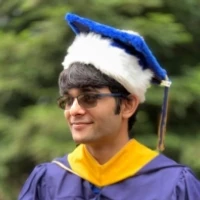

Customizing Text-to-Image Diffusion with Camera Viewpoint Control
Model customization introduces new concepts to existing text-to-image models, enabling the generation of the new concept in novel contexts. However, such methods lack accurate camera view control w.r.t the object, and users must resort to prompt engineering (e.g., adding "top-view") to achieve coarse view control. In this work, we introduce a new task -- enabling explicit control of camera viewpoint for model customization. This allows us to modify object properties amongst various background scenes via text prompts, all while incorporating the target camera pose as additional control. This new task presents significant challenges in merging a 3D representation from the multi-view images of the new concept with a general, 2D text-to-image model. To bridge this gap, we propose to condition the 2D diffusion process on rendered, view-dependent features of the new object. During training, we jointly adapt the 2D diffusion modules and 3D feature predictions to reconstruct the object's appearance and geometry while reducing overfitting to the input multi-view images. Our method outperforms existing image editing and model personalization baselines in preserving the custom object's identity while following the input text prompt and the object's camera pose.
Learning Camera Movement Control from Real-World Drone Videos
This study seeks to automate camera movement control for filming existing subjects into attractive videos, contrasting with the creation of non-existent content by directly generating the pixels. We select drone videos as our test case due to their rich and challenging motion patterns, distinctive viewing angles, and precise controls. Existing AI videography methods struggle with limited appearance diversity in simulation training, high costs of recording expert operations, and difficulties in designing heuristic-based goals to cover all scenarios. To avoid these issues, we propose a scalable method that involves collecting real-world training data to improve diversity, extracting camera trajectories automatically to minimize annotation costs, and training an effective architecture that does not rely on heuristics. Specifically, we collect 99k high-quality trajectories by running 3D reconstruction on online videos, connecting camera poses from consecutive frames to formulate 3D camera paths, and using Kalman filter to identify and remove low-quality data. Moreover, we introduce DVGFormer, an auto-regressive transformer that leverages the camera path and images from all past frames to predict camera movement in the next frame. We evaluate our system across 38 synthetic natural scenes and 7 real city 3D scans. We show that our system effectively learns to perform challenging camera movements such as navigating through obstacles, maintaining low altitude to increase perceived speed, and orbiting towers and buildings, which are very useful for recording high-quality videos. Data and code are available at dvgformer.github.io.

DriveCamSim: Generalizable Camera Simulation via Explicit Camera Modeling for Autonomous Driving
Camera sensor simulation serves as a critical role for autonomous driving (AD), e.g. evaluating vision-based AD algorithms. While existing approaches have leveraged generative models for controllable image/video generation, they remain constrained to generating multi-view video sequences with fixed camera viewpoints and video frequency, significantly limiting their downstream applications. To address this, we present a generalizable camera simulation framework DriveCamSim, whose core innovation lies in the proposed Explicit Camera Modeling (ECM) mechanism. Instead of implicit interaction through vanilla attention, ECM establishes explicit pixel-wise correspondences across multi-view and multi-frame dimensions, decoupling the model from overfitting to the specific camera configurations (intrinsic/extrinsic parameters, number of views) and temporal sampling rates presented in the training data. For controllable generation, we identify the issue of information loss inherent in existing conditional encoding and injection pipelines, proposing an information-preserving control mechanism. This control mechanism not only improves conditional controllability, but also can be extended to be identity-aware to enhance temporal consistency in foreground object rendering. With above designs, our model demonstrates superior performance in both visual quality and controllability, as well as generalization capability across spatial-level (camera parameters variations) and temporal-level (video frame rate variations), enabling flexible user-customizable camera simulation tailored to diverse application scenarios. Code will be avaliable at https://github.com/swc-17/DriveCamSim for facilitating future research.
CAMERA: Multi-Matrix Joint Compression for MoE Models via Micro-Expert Redundancy Analysis
Large Language Models (LLMs) with Mixture-of-Experts (MoE) architectures are distinguished by their strong performance scaling with increasing parameters across a wide range of tasks, yet they also suffer from substantial computational and storage overheads. Notably, the performance gains of MoE models do not scale proportionally with the growth in expert parameters. While prior works attempt to reduce parameters via expert-level pruning, merging, or decomposition, they still suffer from challenges in both performance and computational efficiency. In this paper, we address these challenges by introducing micro-expert as a finer-grained compression unit that spans across matrices. We first establish a more fundamental perspective, viewing MoE layers as mixtures of micro-experts, and present CAMERA, a lightweight and training-free framework for identifying micro-expert redundancy. Our analysis uncovers significant variance in micro-expert contributions during decoding. Based on this insight, we further propose CAMERA-P, a structured micro-expert pruning framework, and CAMERA-Q, a mixed-precision quantization idea designed for micro-experts. Extensive experiments on nine downstream tasks show that CAMERA-P consistently outperforms strong baselines under pruning ratios ranging from 20% to 60%. Furthermore, CAMERA-Q achieves superior results under aggressive 2-bit quantization, surpassing existing matrix- and channel-level ideas. Notably, our method enables complete micro-expert analysis of Qwen2-57B-A14B in less than 5 minutes on a single NVIDIA A100-40GB GPU.
PoseDiffusion: Solving Pose Estimation via Diffusion-aided Bundle Adjustment
Camera pose estimation is a long-standing computer vision problem that to date often relies on classical methods, such as handcrafted keypoint matching, RANSAC and bundle adjustment. In this paper, we propose to formulate the Structure from Motion (SfM) problem inside a probabilistic diffusion framework, modelling the conditional distribution of camera poses given input images. This novel view of an old problem has several advantages. (i) The nature of the diffusion framework mirrors the iterative procedure of bundle adjustment. (ii) The formulation allows a seamless integration of geometric constraints from epipolar geometry. (iii) It excels in typically difficult scenarios such as sparse views with wide baselines. (iv) The method can predict intrinsics and extrinsics for an arbitrary amount of images. We demonstrate that our method PoseDiffusion significantly improves over the classic SfM pipelines and the learned approaches on two real-world datasets. Finally, it is observed that our method can generalize across datasets without further training. Project page: https://posediffusion.github.io/

Kaleidoscopic Background Attack: Disrupting Pose Estimation with Multi-Fold Radial Symmetry Textures
Camera pose estimation is a fundamental computer vision task that is essential for applications like visual localization and multi-view stereo reconstruction. In the object-centric scenarios with sparse inputs, the accuracy of pose estimation can be significantly influenced by background textures that occupy major portions of the images across different viewpoints. In light of this, we introduce the Kaleidoscopic Background Attack (KBA), which uses identical segments to form discs with multi-fold radial symmetry. These discs maintain high similarity across different viewpoints, enabling effective attacks on pose estimation models even with natural texture segments. Additionally, a projected orientation consistency loss is proposed to optimize the kaleidoscopic segments, leading to significant enhancement in the attack effectiveness. Experimental results show that optimized adversarial kaleidoscopic backgrounds can effectively attack various camera pose estimation models.
Cross-Camera Convolutional Color Constancy
We present "Cross-Camera Convolutional Color Constancy" (C5), a learning-based method, trained on images from multiple cameras, that accurately estimates a scene's illuminant color from raw images captured by a new camera previously unseen during training. C5 is a hypernetwork-like extension of the convolutional color constancy (CCC) approach: C5 learns to generate the weights of a CCC model that is then evaluated on the input image, with the CCC weights dynamically adapted to different input content. Unlike prior cross-camera color constancy models, which are usually designed to be agnostic to the spectral properties of test-set images from unobserved cameras, C5 approaches this problem through the lens of transductive inference: additional unlabeled images are provided as input to the model at test time, which allows the model to calibrate itself to the spectral properties of the test-set camera during inference. C5 achieves state-of-the-art accuracy for cross-camera color constancy on several datasets, is fast to evaluate (~7 and ~90 ms per image on a GPU or CPU, respectively), and requires little memory (~2 MB), and thus is a practical solution to the problem of calibration-free automatic white balance for mobile photography.

Toon3D: Seeing Cartoons from a New Perspective
In this work, we recover the underlying 3D structure of non-geometrically consistent scenes. We focus our analysis on hand-drawn images from cartoons and anime. Many cartoons are created by artists without a 3D rendering engine, which means that any new image of a scene is hand-drawn. The hand-drawn images are usually faithful representations of the world, but only in a qualitative sense, since it is difficult for humans to draw multiple perspectives of an object or scene 3D consistently. Nevertheless, people can easily perceive 3D scenes from inconsistent inputs! In this work, we correct for 2D drawing inconsistencies to recover a plausible 3D structure such that the newly warped drawings are consistent with each other. Our pipeline consists of a user-friendly annotation tool, camera pose estimation, and image deformation to recover a dense structure. Our method warps images to obey a perspective camera model, enabling our aligned results to be plugged into novel-view synthesis reconstruction methods to experience cartoons from viewpoints never drawn before. Our project page is https://toon3d.studio/.



Cameras as Rays: Pose Estimation via Ray Diffusion
Estimating camera poses is a fundamental task for 3D reconstruction and remains challenging given sparsely sampled views (<10). In contrast to existing approaches that pursue top-down prediction of global parametrizations of camera extrinsics, we propose a distributed representation of camera pose that treats a camera as a bundle of rays. This representation allows for a tight coupling with spatial image features improving pose precision. We observe that this representation is naturally suited for set-level transformers and develop a regression-based approach that maps image patches to corresponding rays. To capture the inherent uncertainties in sparse-view pose inference, we adapt this approach to learn a denoising diffusion model which allows us to sample plausible modes while improving performance. Our proposed methods, both regression- and diffusion-based, demonstrate state-of-the-art performance on camera pose estimation on CO3D while generalizing to unseen object categories and in-the-wild captures.

CUPID: Pose-Grounded Generative 3D Reconstruction from a Single Image
This work proposes a new generation-based 3D reconstruction method, named Cupid, that accurately infers the camera pose, 3D shape, and texture of an object from a single 2D image. Cupid casts 3D reconstruction as a conditional sampling process from a learned distribution of 3D objects, and it jointly generates voxels and pixel-voxel correspondences, enabling robust pose and shape estimation under a unified generative framework. By representing both input camera poses and 3D shape as a distribution in a shared 3D latent space, Cupid adopts a two-stage flow matching pipeline: (1) a coarse stage that produces initial 3D geometry with associated 2D projections for pose recovery; and (2) a refinement stage that integrates pose-aligned image features to enhance structural fidelity and appearance details. Extensive experiments demonstrate Cupid outperforms leading 3D reconstruction methods with an over 3 dB PSNR gain and an over 10% Chamfer Distance reduction, while matching monocular estimators on pose accuracy and delivering superior visual fidelity over baseline 3D generative models. For an immersive view of the 3D results generated by Cupid, please visit cupid3d.github.io.
Deep Learning for Camera Calibration and Beyond: A Survey
Camera calibration involves estimating camera parameters to infer geometric features from captured sequences, which is crucial for computer vision and robotics. However, conventional calibration is laborious and requires dedicated collection. Recent efforts show that learning-based solutions have the potential to be used in place of the repeatability works of manual calibrations. Among these solutions, various learning strategies, networks, geometric priors, and datasets have been investigated. In this paper, we provide a comprehensive survey of learning-based camera calibration techniques, by analyzing their strengths and limitations. Our main calibration categories include the standard pinhole camera model, distortion camera model, cross-view model, and cross-sensor model, following the research trend and extended applications. As there is no unified benchmark in this community, we collect a holistic calibration dataset that can serve as a public platform to evaluate the generalization of existing methods. It comprises both synthetic and real-world data, with images and videos captured by different cameras in diverse scenes. Toward the end of this paper, we discuss the challenges and provide further research directions. To our knowledge, this is the first survey for the learning-based camera calibration (spanned 10 years). The summarized methods, datasets, and benchmarks are available and will be regularly updated at https://github.com/KangLiao929/Awesome-Deep-Camera-Calibration.

Self-supervised learning of object pose estimation using keypoint prediction
This paper describes recent developments in object specific pose and shape prediction from single images. The main contribution is a new approach to camera pose prediction by self-supervised learning of keypoints corresponding to locations on a category specific deformable shape. We designed a network to generate a proxy ground-truth heatmap from a set of keypoints distributed all over the category-specific mean shape, where each is represented by a unique color on a labeled texture. The proxy ground-truth heatmap is used to train a deep keypoint prediction network, which can be used in online inference. The proposed approach to camera pose prediction show significant improvements when compared with state-of-the-art methods. Our approach to camera pose prediction is used to infer 3D objects from 2D image frames of video sequences online. To train the reconstruction model, it receives only a silhouette mask from a single frame of a video sequence in every training step and a category-specific mean object shape. We conducted experiments using three different datasets representing the bird category: the CUB [51] image dataset, YouTubeVos and the Davis video datasets. The network is trained on the CUB dataset and tested on all three datasets. The online experiments are demonstrated on YouTubeVos and Davis [56] video sequences using a network trained on the CUB training set.
Thinking with Camera: A Unified Multimodal Model for Camera-Centric Understanding and Generation
Camera-centric understanding and generation are two cornerstones of spatial intelligence, yet they are typically studied in isolation. We present Puffin, a unified camera-centric multimodal model that extends spatial awareness along the camera dimension. Puffin integrates language regression and diffusion-based generation to interpret and create scenes from arbitrary viewpoints. To bridge the modality gap between cameras and vision-language, we introduce a novel paradigm that treats camera as language, enabling thinking with camera. This guides the model to align spatially grounded visual cues with photographic terminology while reasoning across geometric context. Puffin is trained on Puffin-4M, a large-scale dataset of 4 million vision-language-camera triplets. We incorporate both global camera parameters and pixel-wise camera maps, yielding flexible and reliable spatial generation. Experiments demonstrate Puffin superior performance over specialized models for camera-centric generation and understanding. With instruction tuning, Puffin generalizes to diverse cross-view tasks such as spatial imagination, world exploration, and photography guidance. We will release the code, models, dataset pipeline, and benchmark to advance multimodal spatial intelligence research.

CamCo: Camera-Controllable 3D-Consistent Image-to-Video Generation
Recently video diffusion models have emerged as expressive generative tools for high-quality video content creation readily available to general users. However, these models often do not offer precise control over camera poses for video generation, limiting the expression of cinematic language and user control. To address this issue, we introduce CamCo, which allows fine-grained Camera pose Control for image-to-video generation. We equip a pre-trained image-to-video generator with accurately parameterized camera pose input using Pl\"ucker coordinates. To enhance 3D consistency in the videos produced, we integrate an epipolar attention module in each attention block that enforces epipolar constraints to the feature maps. Additionally, we fine-tune CamCo on real-world videos with camera poses estimated through structure-from-motion algorithms to better synthesize object motion. Our experiments show that CamCo significantly improves 3D consistency and camera control capabilities compared to previous models while effectively generating plausible object motion. Project page: https://ir1d.github.io/CamCo/



Splatting Physical Scenes: End-to-End Real-to-Sim from Imperfect Robot Data
Creating accurate, physical simulations directly from real-world robot motion holds great value for safe, scalable, and affordable robot learning, yet remains exceptionally challenging. Real robot data suffers from occlusions, noisy camera poses, dynamic scene elements, which hinder the creation of geometrically accurate and photorealistic digital twins of unseen objects. We introduce a novel real-to-sim framework tackling all these challenges at once. Our key insight is a hybrid scene representation merging the photorealistic rendering of 3D Gaussian Splatting with explicit object meshes suitable for physics simulation within a single representation. We propose an end-to-end optimization pipeline that leverages differentiable rendering and differentiable physics within MuJoCo to jointly refine all scene components - from object geometry and appearance to robot poses and physical parameters - directly from raw and imprecise robot trajectories. This unified optimization allows us to simultaneously achieve high-fidelity object mesh reconstruction, generate photorealistic novel views, and perform annotation-free robot pose calibration. We demonstrate the effectiveness of our approach both in simulation and on challenging real-world sequences using an ALOHA 2 bi-manual manipulator, enabling more practical and robust real-to-simulation pipelines.


PanSt3R: Multi-view Consistent Panoptic Segmentation
Panoptic segmentation of 3D scenes, involving the segmentation and classification of object instances in a dense 3D reconstruction of a scene, is a challenging problem, especially when relying solely on unposed 2D images. Existing approaches typically leverage off-the-shelf models to extract per-frame 2D panoptic segmentations, before optimizing an implicit geometric representation (often based on NeRF) to integrate and fuse the 2D predictions. We argue that relying on 2D panoptic segmentation for a problem inherently 3D and multi-view is likely suboptimal as it fails to leverage the full potential of spatial relationships across views. In addition to requiring camera parameters, these approaches also necessitate computationally expensive test-time optimization for each scene. Instead, in this work, we propose a unified and integrated approach PanSt3R, which eliminates the need for test-time optimization by jointly predicting 3D geometry and multi-view panoptic segmentation in a single forward pass. Our approach builds upon recent advances in 3D reconstruction, specifically upon MUSt3R, a scalable multi-view version of DUSt3R, and enhances it with semantic awareness and multi-view panoptic segmentation capabilities. We additionally revisit the standard post-processing mask merging procedure and introduce a more principled approach for multi-view segmentation. We also introduce a simple method for generating novel-view predictions based on the predictions of PanSt3R and vanilla 3DGS. Overall, the proposed PanSt3R is conceptually simple, yet fast and scalable, and achieves state-of-the-art performance on several benchmarks, while being orders of magnitude faster than existing methods.

CamI2V: Camera-Controlled Image-to-Video Diffusion Model
Recent advancements have integrated camera pose as a user-friendly and physics-informed condition in video diffusion models, enabling precise camera control. In this paper, we identify one of the key challenges as effectively modeling noisy cross-frame interactions to enhance geometry consistency and camera controllability. We innovatively associate the quality of a condition with its ability to reduce uncertainty and interpret noisy cross-frame features as a form of noisy condition. Recognizing that noisy conditions provide deterministic information while also introducing randomness and potential misguidance due to added noise, we propose applying epipolar attention to only aggregate features along corresponding epipolar lines, thereby accessing an optimal amount of noisy conditions. Additionally, we address scenarios where epipolar lines disappear, commonly caused by rapid camera movements, dynamic objects, or occlusions, ensuring robust performance in diverse environments. Furthermore, we develop a more robust and reproducible evaluation pipeline to address the inaccuracies and instabilities of existing camera control metrics. Our method achieves a 25.64% improvement in camera controllability on the RealEstate10K dataset without compromising dynamics or generation quality and demonstrates strong generalization to out-of-domain images. Training and inference require only 24GB and 12GB of memory, respectively, for 16-frame sequences at 256x256 resolution. We will release all checkpoints, along with training and evaluation code. Dynamic videos are best viewed at https://zgctroy.github.io/CamI2V.

PoRF: Pose Residual Field for Accurate Neural Surface Reconstruction
Neural surface reconstruction is sensitive to the camera pose noise, even if state-of-the-art pose estimators like COLMAP or ARKit are used. More importantly, existing Pose-NeRF joint optimisation methods have struggled to improve pose accuracy in challenging real-world scenarios. To overcome the challenges, we introduce the pose residual field (PoRF), a novel implicit representation that uses an MLP for regressing pose updates. This is more robust than the conventional pose parameter optimisation due to parameter sharing that leverages global information over the entire sequence. Furthermore, we propose an epipolar geometry loss to enhance the supervision that leverages the correspondences exported from COLMAP results without the extra computational overhead. Our method yields promising results. On the DTU dataset, we reduce the rotation error by 78\% for COLMAP poses, leading to the decreased reconstruction Chamfer distance from 3.48mm to 0.85mm. On the MobileBrick dataset that contains casually captured unbounded 360-degree videos, our method refines ARKit poses and improves the reconstruction F1 score from 69.18 to 75.67, outperforming that with the dataset provided ground-truth pose (75.14). These achievements demonstrate the efficacy of our approach in refining camera poses and improving the accuracy of neural surface reconstruction in real-world scenarios.
RePAST: Relative Pose Attention Scene Representation Transformer
The Scene Representation Transformer (SRT) is a recent method to render novel views at interactive rates. Since SRT uses camera poses with respect to an arbitrarily chosen reference camera, it is not invariant to the order of the input views. As a result, SRT is not directly applicable to large-scale scenes where the reference frame would need to be changed regularly. In this work, we propose Relative Pose Attention SRT (RePAST): Instead of fixing a reference frame at the input, we inject pairwise relative camera pose information directly into the attention mechanism of the Transformers. This leads to a model that is by definition invariant to the choice of any global reference frame, while still retaining the full capabilities of the original method. Empirical results show that adding this invariance to the model does not lead to a loss in quality. We believe that this is a step towards applying fully latent transformer-based rendering methods to large-scale scenes.
Multi-View 3D Point Tracking
We introduce the first data-driven multi-view 3D point tracker, designed to track arbitrary points in dynamic scenes using multiple camera views. Unlike existing monocular trackers, which struggle with depth ambiguities and occlusion, or prior multi-camera methods that require over 20 cameras and tedious per-sequence optimization, our feed-forward model directly predicts 3D correspondences using a practical number of cameras (e.g., four), enabling robust and accurate online tracking. Given known camera poses and either sensor-based or estimated multi-view depth, our tracker fuses multi-view features into a unified point cloud and applies k-nearest-neighbors correlation alongside a transformer-based update to reliably estimate long-range 3D correspondences, even under occlusion. We train on 5K synthetic multi-view Kubric sequences and evaluate on two real-world benchmarks: Panoptic Studio and DexYCB, achieving median trajectory errors of 3.1 cm and 2.0 cm, respectively. Our method generalizes well to diverse camera setups of 1-8 views with varying vantage points and video lengths of 24-150 frames. By releasing our tracker alongside training and evaluation datasets, we aim to set a new standard for multi-view 3D tracking research and provide a practical tool for real-world applications. Project page available at https://ethz-vlg.github.io/mvtracker.
Fast3R: Towards 3D Reconstruction of 1000+ Images in One Forward Pass
Multi-view 3D reconstruction remains a core challenge in computer vision, particularly in applications requiring accurate and scalable representations across diverse perspectives. Current leading methods such as DUSt3R employ a fundamentally pairwise approach, processing images in pairs and necessitating costly global alignment procedures to reconstruct from multiple views. In this work, we propose Fast 3D Reconstruction (Fast3R), a novel multi-view generalization to DUSt3R that achieves efficient and scalable 3D reconstruction by processing many views in parallel. Fast3R's Transformer-based architecture forwards N images in a single forward pass, bypassing the need for iterative alignment. Through extensive experiments on camera pose estimation and 3D reconstruction, Fast3R demonstrates state-of-the-art performance, with significant improvements in inference speed and reduced error accumulation. These results establish Fast3R as a robust alternative for multi-view applications, offering enhanced scalability without compromising reconstruction accuracy.


FreeSplatter: Pose-free Gaussian Splatting for Sparse-view 3D Reconstruction
Existing sparse-view reconstruction models heavily rely on accurate known camera poses. However, deriving camera extrinsics and intrinsics from sparse-view images presents significant challenges. In this work, we present FreeSplatter, a highly scalable, feed-forward reconstruction framework capable of generating high-quality 3D Gaussians from uncalibrated sparse-view images and recovering their camera parameters in mere seconds. FreeSplatter is built upon a streamlined transformer architecture, comprising sequential self-attention blocks that facilitate information exchange among multi-view image tokens and decode them into pixel-wise 3D Gaussian primitives. The predicted Gaussian primitives are situated in a unified reference frame, allowing for high-fidelity 3D modeling and instant camera parameter estimation using off-the-shelf solvers. To cater to both object-centric and scene-level reconstruction, we train two model variants of FreeSplatter on extensive datasets. In both scenarios, FreeSplatter outperforms state-of-the-art baselines in terms of reconstruction quality and pose estimation accuracy. Furthermore, we showcase FreeSplatter's potential in enhancing the productivity of downstream applications, such as text/image-to-3D content creation.


Image as an IMU: Estimating Camera Motion from a Single Motion-Blurred Image
In many robotics and VR/AR applications, fast camera motions cause a high level of motion blur, causing existing camera pose estimation methods to fail. In this work, we propose a novel framework that leverages motion blur as a rich cue for motion estimation rather than treating it as an unwanted artifact. Our approach works by predicting a dense motion flow field and a monocular depth map directly from a single motion-blurred image. We then recover the instantaneous camera velocity by solving a linear least squares problem under the small motion assumption. In essence, our method produces an IMU-like measurement that robustly captures fast and aggressive camera movements. To train our model, we construct a large-scale dataset with realistic synthetic motion blur derived from ScanNet++v2 and further refine our model by training end-to-end on real data using our fully differentiable pipeline. Extensive evaluations on real-world benchmarks demonstrate that our method achieves state-of-the-art angular and translational velocity estimates, outperforming current methods like MASt3R and COLMAP.


VideoRFSplat: Direct Scene-Level Text-to-3D Gaussian Splatting Generation with Flexible Pose and Multi-View Joint Modeling
We propose VideoRFSplat, a direct text-to-3D model leveraging a video generation model to generate realistic 3D Gaussian Splatting (3DGS) for unbounded real-world scenes. To generate diverse camera poses and unbounded spatial extent of real-world scenes, while ensuring generalization to arbitrary text prompts, previous methods fine-tune 2D generative models to jointly model camera poses and multi-view images. However, these methods suffer from instability when extending 2D generative models to joint modeling due to the modality gap, which necessitates additional models to stabilize training and inference. In this work, we propose an architecture and a sampling strategy to jointly model multi-view images and camera poses when fine-tuning a video generation model. Our core idea is a dual-stream architecture that attaches a dedicated pose generation model alongside a pre-trained video generation model via communication blocks, generating multi-view images and camera poses through separate streams. This design reduces interference between the pose and image modalities. Additionally, we propose an asynchronous sampling strategy that denoises camera poses faster than multi-view images, allowing rapidly denoised poses to condition multi-view generation, reducing mutual ambiguity and enhancing cross-modal consistency. Trained on multiple large-scale real-world datasets (RealEstate10K, MVImgNet, DL3DV-10K, ACID), VideoRFSplat outperforms existing text-to-3D direct generation methods that heavily depend on post-hoc refinement via score distillation sampling, achieving superior results without such refinement.


LU-NeRF: Scene and Pose Estimation by Synchronizing Local Unposed NeRFs
A critical obstacle preventing NeRF models from being deployed broadly in the wild is their reliance on accurate camera poses. Consequently, there is growing interest in extending NeRF models to jointly optimize camera poses and scene representation, which offers an alternative to off-the-shelf SfM pipelines which have well-understood failure modes. Existing approaches for unposed NeRF operate under limited assumptions, such as a prior pose distribution or coarse pose initialization, making them less effective in a general setting. In this work, we propose a novel approach, LU-NeRF, that jointly estimates camera poses and neural radiance fields with relaxed assumptions on pose configuration. Our approach operates in a local-to-global manner, where we first optimize over local subsets of the data, dubbed mini-scenes. LU-NeRF estimates local pose and geometry for this challenging few-shot task. The mini-scene poses are brought into a global reference frame through a robust pose synchronization step, where a final global optimization of pose and scene can be performed. We show our LU-NeRF pipeline outperforms prior attempts at unposed NeRF without making restrictive assumptions on the pose prior. This allows us to operate in the general SE(3) pose setting, unlike the baselines. Our results also indicate our model can be complementary to feature-based SfM pipelines as it compares favorably to COLMAP on low-texture and low-resolution images.


MVD-HuGaS: Human Gaussians from a Single Image via 3D Human Multi-view Diffusion Prior
3D human reconstruction from a single image is a challenging problem and has been exclusively studied in the literature. Recently, some methods have resorted to diffusion models for guidance, optimizing a 3D representation via Score Distillation Sampling(SDS) or generating one back-view image for facilitating reconstruction. However, these methods tend to produce unsatisfactory artifacts (e.g. flattened human structure or over-smoothing results caused by inconsistent priors from multiple views) and struggle with real-world generalization in the wild. In this work, we present MVD-HuGaS, enabling free-view 3D human rendering from a single image via a multi-view human diffusion model. We first generate multi-view images from the single reference image with an enhanced multi-view diffusion model, which is well fine-tuned on high-quality 3D human datasets to incorporate 3D geometry priors and human structure priors. To infer accurate camera poses from the sparse generated multi-view images for reconstruction, an alignment module is introduced to facilitate joint optimization of 3D Gaussians and camera poses. Furthermore, we propose a depth-based Facial Distortion Mitigation module to refine the generated facial regions, thereby improving the overall fidelity of the reconstruction.Finally, leveraging the refined multi-view images, along with their accurate camera poses, MVD-HuGaS optimizes the 3D Gaussians of the target human for high-fidelity free-view renderings. Extensive experiments on Thuman2.0 and 2K2K datasets show that the proposed MVD-HuGaS achieves state-of-the-art performance on single-view 3D human rendering.
Camera calibration for the surround-view system: a benchmark and dataset
Surround-view system (SVS) is widely used in the Advanced Driver Assistance System (ADAS). SVS uses four fisheye lenses to monitor real-time scenes around the vehicle. However, accurate intrinsic and extrinsic parameter estimation is required for the proper functioning of the system. At present, the intrinsic calibration can be pipeline by utilizing checkerboard algorithm, while extrinsic calibration is still immature. Therefore, we proposed a specific calibration pipeline to estimate extrinsic parameters robustly. This scheme takes a driving sequence of four cameras as input. It firstly utilizes lane line to roughly estimate each camera pose. Considering the environmental condition differences in each camera, we separately select strategies from two methods to accurately estimate the extrinsic parameters. To achieve accurate estimates for both front and rear camera, we proposed a method that mutually iterating line detection and pose estimation. As for bilateral camera, we iteratively adjust the camera pose and position by minimizing texture and edge error between ground projections of adjacent cameras. After estimating the extrinsic parameters, the surround-view image can be synthesized by homography-based transformation. The proposed pipeline can robustly estimate the four SVS camera extrinsic parameters in real driving environments. In addition, to evaluate the proposed scheme, we build a surround-view fisheye dataset, which contains 40 videos with 32,000 frames, acquired from different real traffic scenarios. All the frames in each video are manually labeled with lane annotation, with its GT extrinsic parameters. Moreover, this surround-view dataset could be used by other researchers to evaluate their performance. The dataset will be available soon.
Erasing the Ephemeral: Joint Camera Refinement and Transient Object Removal for Street View Synthesis
Synthesizing novel views for urban environments is crucial for tasks like autonomous driving and virtual tours. Compared to object-level or indoor situations, outdoor settings present unique challenges, such as inconsistency across frames due to moving vehicles and camera pose drift over lengthy sequences. In this paper, we introduce a method that tackles these challenges on view synthesis for outdoor scenarios. We employ a neural point light field scene representation and strategically detect and mask out dynamic objects to reconstruct novel scenes without artifacts. Moreover, we simultaneously optimize camera pose along with the view synthesis process, and thus, we simultaneously refine both elements. Through validation on real-world urban datasets, we demonstrate state-of-the-art results in synthesizing novel views of urban scenes.
POPE: 6-DoF Promptable Pose Estimation of Any Object, in Any Scene, with One Reference
Despite the significant progress in six degrees-of-freedom (6DoF) object pose estimation, existing methods have limited applicability in real-world scenarios involving embodied agents and downstream 3D vision tasks. These limitations mainly come from the necessity of 3D models, closed-category detection, and a large number of densely annotated support views. To mitigate this issue, we propose a general paradigm for object pose estimation, called Promptable Object Pose Estimation (POPE). The proposed approach POPE enables zero-shot 6DoF object pose estimation for any target object in any scene, while only a single reference is adopted as the support view. To achieve this, POPE leverages the power of the pre-trained large-scale 2D foundation model, employs a framework with hierarchical feature representation and 3D geometry principles. Moreover, it estimates the relative camera pose between object prompts and the target object in new views, enabling both two-view and multi-view 6DoF pose estimation tasks. Comprehensive experimental results demonstrate that POPE exhibits unrivaled robust performance in zero-shot settings, by achieving a significant reduction in the averaged Median Pose Error by 52.38% and 50.47% on the LINEMOD and OnePose datasets, respectively. We also conduct more challenging testings in causally captured images (see Figure 1), which further demonstrates the robustness of POPE. Project page can be found with https://paulpanwang.github.io/POPE/.


SEE4D: Pose-Free 4D Generation via Auto-Regressive Video Inpainting
Immersive applications call for synthesizing spatiotemporal 4D content from casual videos without costly 3D supervision. Existing video-to-4D methods typically rely on manually annotated camera poses, which are labor-intensive and brittle for in-the-wild footage. Recent warp-then-inpaint approaches mitigate the need for pose labels by warping input frames along a novel camera trajectory and using an inpainting model to fill missing regions, thereby depicting the 4D scene from diverse viewpoints. However, this trajectory-to-trajectory formulation often entangles camera motion with scene dynamics and complicates both modeling and inference. We introduce SEE4D, a pose-free, trajectory-to-camera framework that replaces explicit trajectory prediction with rendering to a bank of fixed virtual cameras, thereby separating camera control from scene modeling. A view-conditional video inpainting model is trained to learn a robust geometry prior by denoising realistically synthesized warped images and to inpaint occluded or missing regions across virtual viewpoints, eliminating the need for explicit 3D annotations. Building on this inpainting core, we design a spatiotemporal autoregressive inference pipeline that traverses virtual-camera splines and extends videos with overlapping windows, enabling coherent generation at bounded per-step complexity. We validate See4D on cross-view video generation and sparse reconstruction benchmarks. Across quantitative metrics and qualitative assessments, our method achieves superior generalization and improved performance relative to pose- or trajectory-conditioned baselines, advancing practical 4D world modeling from casual videos.
RobuRCDet: Enhancing Robustness of Radar-Camera Fusion in Bird's Eye View for 3D Object Detection
While recent low-cost radar-camera approaches have shown promising results in multi-modal 3D object detection, both sensors face challenges from environmental and intrinsic disturbances. Poor lighting or adverse weather conditions degrade camera performance, while radar suffers from noise and positional ambiguity. Achieving robust radar-camera 3D object detection requires consistent performance across varying conditions, a topic that has not yet been fully explored. In this work, we first conduct a systematic analysis of robustness in radar-camera detection on five kinds of noises and propose RobuRCDet, a robust object detection model in BEV. Specifically, we design a 3D Gaussian Expansion (3DGE) module to mitigate inaccuracies in radar points, including position, Radar Cross-Section (RCS), and velocity. The 3DGE uses RCS and velocity priors to generate a deformable kernel map and variance for kernel size adjustment and value distribution. Additionally, we introduce a weather-adaptive fusion module, which adaptively fuses radar and camera features based on camera signal confidence. Extensive experiments on the popular benchmark, nuScenes, show that our model achieves competitive results in regular and noisy conditions.

Neural Surface Priors for Editable Gaussian Splatting
In computer graphics, there is a need to recover easily modifiable representations of 3D geometry and appearance from image data. We introduce a novel method for this task using 3D Gaussian Splatting, which enables intuitive scene editing through mesh adjustments. Starting with input images and camera poses, we reconstruct the underlying geometry using a neural Signed Distance Field and extract a high-quality mesh. Our model then estimates a set of Gaussians, where each component is flat, and the opacity is conditioned on the recovered neural surface. To facilitate editing, we produce a proxy representation that encodes information about the Gaussians' shape and position. Unlike other methods, our pipeline allows modifications applied to the extracted mesh to be propagated to the proxy representation, from which we recover the updated parameters of the Gaussians. This effectively transfers the mesh edits back to the recovered appearance representation. By leveraging mesh-guided transformations, our approach simplifies 3D scene editing and offers improvements over existing methods in terms of usability and visual fidelity of edits. The complete source code for this project can be accessed at https://github.com/WJakubowska/NeuralSurfacePriors


EffLoc: Lightweight Vision Transformer for Efficient 6-DOF Camera Relocalization
Camera relocalization is pivotal in computer vision, with applications in AR, drones, robotics, and autonomous driving. It estimates 3D camera position and orientation (6-DoF) from images. Unlike traditional methods like SLAM, recent strides use deep learning for direct end-to-end pose estimation. We propose EffLoc, a novel efficient Vision Transformer for single-image camera relocalization. EffLoc's hierarchical layout, memory-bound self-attention, and feed-forward layers boost memory efficiency and inter-channel communication. Our introduced sequential group attention (SGA) module enhances computational efficiency by diversifying input features, reducing redundancy, and expanding model capacity. EffLoc excels in efficiency and accuracy, outperforming prior methods, such as AtLoc and MapNet. It thrives on large-scale outdoor car-driving scenario, ensuring simplicity, end-to-end trainability, and eliminating handcrafted loss functions.
OrienterNet: Visual Localization in 2D Public Maps with Neural Matching
Humans can orient themselves in their 3D environments using simple 2D maps. Differently, algorithms for visual localization mostly rely on complex 3D point clouds that are expensive to build, store, and maintain over time. We bridge this gap by introducing OrienterNet, the first deep neural network that can localize an image with sub-meter accuracy using the same 2D semantic maps that humans use. OrienterNet estimates the location and orientation of a query image by matching a neural Bird's-Eye View with open and globally available maps from OpenStreetMap, enabling anyone to localize anywhere such maps are available. OrienterNet is supervised only by camera poses but learns to perform semantic matching with a wide range of map elements in an end-to-end manner. To enable this, we introduce a large crowd-sourced dataset of images captured across 12 cities from the diverse viewpoints of cars, bikes, and pedestrians. OrienterNet generalizes to new datasets and pushes the state of the art in both robotics and AR scenarios. The code and trained model will be released publicly.
CAMPARI: Camera-Aware Decomposed Generative Neural Radiance Fields
Tremendous progress in deep generative models has led to photorealistic image synthesis. While achieving compelling results, most approaches operate in the two-dimensional image domain, ignoring the three-dimensional nature of our world. Several recent works therefore propose generative models which are 3D-aware, i.e., scenes are modeled in 3D and then rendered differentiably to the image plane. This leads to impressive 3D consistency, but incorporating such a bias comes at a price: the camera needs to be modeled as well. Current approaches assume fixed intrinsics and a predefined prior over camera pose ranges. As a result, parameter tuning is typically required for real-world data, and results degrade if the data distribution is not matched. Our key hypothesis is that learning a camera generator jointly with the image generator leads to a more principled approach to 3D-aware image synthesis. Further, we propose to decompose the scene into a background and foreground model, leading to more efficient and disentangled scene representations. While training from raw, unposed image collections, we learn a 3D- and camera-aware generative model which faithfully recovers not only the image but also the camera data distribution. At test time, our model generates images with explicit control over the camera as well as the shape and appearance of the scene.
Geometry-Aware Learning of Maps for Camera Localization
Maps are a key component in image-based camera localization and visual SLAM systems: they are used to establish geometric constraints between images, correct drift in relative pose estimation, and relocalize cameras after lost tracking. The exact definitions of maps, however, are often application-specific and hand-crafted for different scenarios (e.g. 3D landmarks, lines, planes, bags of visual words). We propose to represent maps as a deep neural net called MapNet, which enables learning a data-driven map representation. Unlike prior work on learning maps, MapNet exploits cheap and ubiquitous sensory inputs like visual odometry and GPS in addition to images and fuses them together for camera localization. Geometric constraints expressed by these inputs, which have traditionally been used in bundle adjustment or pose-graph optimization, are formulated as loss terms in MapNet training and also used during inference. In addition to directly improving localization accuracy, this allows us to update the MapNet (i.e., maps) in a self-supervised manner using additional unlabeled video sequences from the scene. We also propose a novel parameterization for camera rotation which is better suited for deep-learning based camera pose regression. Experimental results on both the indoor 7-Scenes dataset and the outdoor Oxford RobotCar dataset show significant performance improvement over prior work. The MapNet project webpage is https://goo.gl/mRB3Au.

Cavia: Camera-controllable Multi-view Video Diffusion with View-Integrated Attention
In recent years there have been remarkable breakthroughs in image-to-video generation. However, the 3D consistency and camera controllability of generated frames have remained unsolved. Recent studies have attempted to incorporate camera control into the generation process, but their results are often limited to simple trajectories or lack the ability to generate consistent videos from multiple distinct camera paths for the same scene. To address these limitations, we introduce Cavia, a novel framework for camera-controllable, multi-view video generation, capable of converting an input image into multiple spatiotemporally consistent videos. Our framework extends the spatial and temporal attention modules into view-integrated attention modules, improving both viewpoint and temporal consistency. This flexible design allows for joint training with diverse curated data sources, including scene-level static videos, object-level synthetic multi-view dynamic videos, and real-world monocular dynamic videos. To our best knowledge, Cavia is the first of its kind that allows the user to precisely specify camera motion while obtaining object motion. Extensive experiments demonstrate that Cavia surpasses state-of-the-art methods in terms of geometric consistency and perceptual quality. Project Page: https://ir1d.github.io/Cavia/

CameraCtrl: Enabling Camera Control for Text-to-Video Generation
Controllability plays a crucial role in video generation since it allows users to create desired content. However, existing models largely overlooked the precise control of camera pose that serves as a cinematic language to express deeper narrative nuances. To alleviate this issue, we introduce CameraCtrl, enabling accurate camera pose control for text-to-video(T2V) models. After precisely parameterizing the camera trajectory, a plug-and-play camera module is then trained on a T2V model, leaving others untouched. Additionally, a comprehensive study on the effect of various datasets is also conducted, suggesting that videos with diverse camera distribution and similar appearances indeed enhance controllability and generalization. Experimental results demonstrate the effectiveness of CameraCtrl in achieving precise and domain-adaptive camera control, marking a step forward in the pursuit of dynamic and customized video storytelling from textual and camera pose inputs. Our project website is at: https://hehao13.github.io/projects-CameraCtrl/.

PLA4D: Pixel-Level Alignments for Text-to-4D Gaussian Splatting
As text-conditioned diffusion models (DMs) achieve breakthroughs in image, video, and 3D generation, the research community's focus has shifted to the more challenging task of text-to-4D synthesis, which introduces a temporal dimension to generate dynamic 3D objects. In this context, we identify Score Distillation Sampling (SDS), a widely used technique for text-to-3D synthesis, as a significant hindrance to text-to-4D performance due to its Janus-faced and texture-unrealistic problems coupled with high computational costs. In this paper, we propose Pixel-Level Alignments for Text-to-4D Gaussian Splatting (PLA4D), a novel method that utilizes text-to-video frames as explicit pixel alignment targets to generate static 3D objects and inject motion into them. Specifically, we introduce Focal Alignment to calibrate camera poses for rendering and GS-Mesh Contrastive Learning to distill geometry priors from rendered image contrasts at the pixel level. Additionally, we develop Motion Alignment using a deformation network to drive changes in Gaussians and implement Reference Refinement for smooth 4D object surfaces. These techniques enable 4D Gaussian Splatting to align geometry, texture, and motion with generated videos at the pixel level. Compared to previous methods, PLA4D produces synthesized outputs with better texture details in less time and effectively mitigates the Janus-faced problem. PLA4D is fully implemented using open-source models, offering an accessible, user-friendly, and promising direction for 4D digital content creation. Our project page: https://github.com/MiaoQiaowei/PLA4D.github.io{https://github.com/MiaoQiaowei/PLA4D.github.io}.


Progressively Optimized Local Radiance Fields for Robust View Synthesis
We present an algorithm for reconstructing the radiance field of a large-scale scene from a single casually captured video. The task poses two core challenges. First, most existing radiance field reconstruction approaches rely on accurate pre-estimated camera poses from Structure-from-Motion algorithms, which frequently fail on in-the-wild videos. Second, using a single, global radiance field with finite representational capacity does not scale to longer trajectories in an unbounded scene. For handling unknown poses, we jointly estimate the camera poses with radiance field in a progressive manner. We show that progressive optimization significantly improves the robustness of the reconstruction. For handling large unbounded scenes, we dynamically allocate new local radiance fields trained with frames within a temporal window. This further improves robustness (e.g., performs well even under moderate pose drifts) and allows us to scale to large scenes. Our extensive evaluation on the Tanks and Temples dataset and our collected outdoor dataset, Static Hikes, show that our approach compares favorably with the state-of-the-art.

Scene Coordinate Reconstruction: Posing of Image Collections via Incremental Learning of a Relocalizer
We address the task of estimating camera parameters from a set of images depicting a scene. Popular feature-based structure-from-motion (SfM) tools solve this task by incremental reconstruction: they repeat triangulation of sparse 3D points and registration of more camera views to the sparse point cloud. We re-interpret incremental structure-from-motion as an iterated application and refinement of a visual relocalizer, that is, of a method that registers new views to the current state of the reconstruction. This perspective allows us to investigate alternative visual relocalizers that are not rooted in local feature matching. We show that scene coordinate regression, a learning-based relocalization approach, allows us to build implicit, neural scene representations from unposed images. Different from other learning-based reconstruction methods, we do not require pose priors nor sequential inputs, and we optimize efficiently over thousands of images. Our method, ACE0 (ACE Zero), estimates camera poses to an accuracy comparable to feature-based SfM, as demonstrated by novel view synthesis. Project page: https://nianticlabs.github.io/acezero/

Gaussian Scenes: Pose-Free Sparse-View Scene Reconstruction using Depth-Enhanced Diffusion Priors
In this work, we introduce a generative approach for pose-free reconstruction of 360^{circ} scenes from a limited number of uncalibrated 2D images. Pose-free scene reconstruction from incomplete, unposed observations is usually regularized with depth estimation or 3D foundational priors. While recent advances have enabled sparse-view reconstruction of unbounded scenes with known camera poses using diffusion priors, these methods rely on explicit camera embeddings for extrapolating unobserved regions. This reliance limits their application in pose-free settings, where view-specific data is only implicitly available. To address this, we propose an instruction-following RGBD diffusion model designed to inpaint missing details and remove artifacts in novel view renders and depth maps of a 3D scene. We also propose a novel confidence measure for Gaussian representations to allow for better detection of these artifacts. By progressively integrating these novel views in a Gaussian-SLAM-inspired process, we achieve a multi-view-consistent Gaussian representation. Evaluations on the MipNeRF360 dataset demonstrate that our method surpasses existing pose-free techniques and performs competitively with state-of-the-art posed reconstruction methods in complex 360^{circ} scenes.

Pruning-based Topology Refinement of 3D Mesh using a 2D Alpha Mask
Image-based 3D reconstruction has increasingly stunning results over the past few years with the latest improvements in computer vision and graphics. Geometry and topology are two fundamental concepts when dealing with 3D mesh structures. But the latest often remains a side issue in the 3D mesh-based reconstruction literature. Indeed, performing per-vertex elementary displacements over a 3D sphere mesh only impacts its geometry and leaves the topological structure unchanged and fixed. Whereas few attempts propose to update the geometry and the topology, all need to lean on costly 3D ground-truth to determine the faces/edges to prune. We present in this work a method that aims to refine the topology of any 3D mesh through a face-pruning strategy that extensively relies upon 2D alpha masks and camera pose information. Our solution leverages a differentiable renderer that renders each face as a 2D soft map. Its pixel intensity reflects the probability of being covered during the rendering process by such a face. Based on the 2D soft-masks available, our method is thus able to quickly highlight all the incorrectly rendered faces for a given viewpoint. Because our module is agnostic to the network that produces the 3D mesh, it can be easily plugged into any self-supervised image-based (either synthetic or natural) 3D reconstruction pipeline to get complex meshes with a non-spherical topology.

PVO: Panoptic Visual Odometry
We present PVO, a novel panoptic visual odometry framework to achieve more comprehensive modeling of the scene motion, geometry, and panoptic segmentation information. Our PVO models visual odometry (VO) and video panoptic segmentation (VPS) in a unified view, which makes the two tasks mutually beneficial. Specifically, we introduce a panoptic update module into the VO Module with the guidance of image panoptic segmentation. This Panoptic-Enhanced VO Module can alleviate the impact of dynamic objects in the camera pose estimation with a panoptic-aware dynamic mask. On the other hand, the VO-Enhanced VPS Module also improves the segmentation accuracy by fusing the panoptic segmentation result of the current frame on the fly to the adjacent frames, using geometric information such as camera pose, depth, and optical flow obtained from the VO Module. These two modules contribute to each other through recurrent iterative optimization. Extensive experiments demonstrate that PVO outperforms state-of-the-art methods in both visual odometry and video panoptic segmentation tasks.

No Pose at All: Self-Supervised Pose-Free 3D Gaussian Splatting from Sparse Views
We introduce SPFSplat, an efficient framework for 3D Gaussian splatting from sparse multi-view images, requiring no ground-truth poses during training or inference. It employs a shared feature extraction backbone, enabling simultaneous prediction of 3D Gaussian primitives and camera poses in a canonical space from unposed inputs within a single feed-forward step. Alongside the rendering loss based on estimated novel-view poses, a reprojection loss is integrated to enforce the learning of pixel-aligned Gaussian primitives for enhanced geometric constraints. This pose-free training paradigm and efficient one-step feed-forward design make SPFSplat well-suited for practical applications. Remarkably, despite the absence of pose supervision, SPFSplat achieves state-of-the-art performance in novel view synthesis even under significant viewpoint changes and limited image overlap. It also surpasses recent methods trained with geometry priors in relative pose estimation. Code and trained models are available on our project page: https://ranrhuang.github.io/spfsplat/.
Unposed 3DGS Reconstruction with Probabilistic Procrustes Mapping
3D Gaussian Splatting (3DGS) has emerged as a core technique for 3D representation. Its effectiveness largely depends on precise camera poses and accurate point cloud initialization, which are often derived from pretrained Multi-View Stereo (MVS) models. However, in unposed reconstruction task from hundreds of outdoor images, existing MVS models may struggle with memory limits and lose accuracy as the number of input images grows. To address this limitation, we propose a novel unposed 3DGS reconstruction framework that integrates pretrained MVS priors with the probabilistic Procrustes mapping strategy. The method partitions input images into subsets, maps submaps into a global space, and jointly optimizes geometry and poses with 3DGS. Technically, we formulate the mapping of tens of millions of point clouds as a probabilistic Procrustes problem and solve a closed-form alignment. By employing probabilistic coupling along with a soft dustbin mechanism to reject uncertain correspondences, our method globally aligns point clouds and poses within minutes across hundreds of images. Moreover, we propose a joint optimization framework for 3DGS and camera poses. It constructs Gaussians from confidence-aware anchor points and integrates 3DGS differentiable rendering with an analytical Jacobian to jointly refine scene and poses, enabling accurate reconstruction and pose estimation. Experiments on Waymo and KITTI datasets show that our method achieves accurate reconstruction from unposed image sequences, setting a new state of the art for unposed 3DGS reconstruction.
DiffusionSfM: Predicting Structure and Motion via Ray Origin and Endpoint Diffusion
Current Structure-from-Motion (SfM) methods typically follow a two-stage pipeline, combining learned or geometric pairwise reasoning with a subsequent global optimization step. In contrast, we propose a data-driven multi-view reasoning approach that directly infers 3D scene geometry and camera poses from multi-view images. Our framework, DiffusionSfM, parameterizes scene geometry and cameras as pixel-wise ray origins and endpoints in a global frame and employs a transformer-based denoising diffusion model to predict them from multi-view inputs. To address practical challenges in training diffusion models with missing data and unbounded scene coordinates, we introduce specialized mechanisms that ensure robust learning. We empirically validate DiffusionSfM on both synthetic and real datasets, demonstrating that it outperforms classical and learning-based approaches while naturally modeling uncertainty.
FLARE: Feed-forward Geometry, Appearance and Camera Estimation from Uncalibrated Sparse Views
We present FLARE, a feed-forward model designed to infer high-quality camera poses and 3D geometry from uncalibrated sparse-view images (i.e., as few as 2-8 inputs), which is a challenging yet practical setting in real-world applications. Our solution features a cascaded learning paradigm with camera pose serving as the critical bridge, recognizing its essential role in mapping 3D structures onto 2D image planes. Concretely, FLARE starts with camera pose estimation, whose results condition the subsequent learning of geometric structure and appearance, optimized through the objectives of geometry reconstruction and novel-view synthesis. Utilizing large-scale public datasets for training, our method delivers state-of-the-art performance in the tasks of pose estimation, geometry reconstruction, and novel view synthesis, while maintaining the inference efficiency (i.e., less than 0.5 seconds). The project page and code can be found at: https://zhanghe3z.github.io/FLARE/

iFusion: Inverting Diffusion for Pose-Free Reconstruction from Sparse Views
We present iFusion, a novel 3D object reconstruction framework that requires only two views with unknown camera poses. While single-view reconstruction yields visually appealing results, it can deviate significantly from the actual object, especially on unseen sides. Additional views improve reconstruction fidelity but necessitate known camera poses. However, assuming the availability of pose may be unrealistic, and existing pose estimators fail in sparse view scenarios. To address this, we harness a pre-trained novel view synthesis diffusion model, which embeds implicit knowledge about the geometry and appearance of diverse objects. Our strategy unfolds in three steps: (1) We invert the diffusion model for camera pose estimation instead of synthesizing novel views. (2) The diffusion model is fine-tuned using provided views and estimated poses, turned into a novel view synthesizer tailored for the target object. (3) Leveraging registered views and the fine-tuned diffusion model, we reconstruct the 3D object. Experiments demonstrate strong performance in both pose estimation and novel view synthesis. Moreover, iFusion seamlessly integrates with various reconstruction methods and enhances them.
Probabilistic Triangulation for Uncalibrated Multi-View 3D Human Pose Estimation
3D human pose estimation has been a long-standing challenge in computer vision and graphics, where multi-view methods have significantly progressed but are limited by the tedious calibration processes. Existing multi-view methods are restricted to fixed camera pose and therefore lack generalization ability. This paper presents a novel Probabilistic Triangulation module that can be embedded in a calibrated 3D human pose estimation method, generalizing it to uncalibration scenes. The key idea is to use a probability distribution to model the camera pose and iteratively update the distribution from 2D features instead of using camera pose. Specifically, We maintain a camera pose distribution and then iteratively update this distribution by computing the posterior probability of the camera pose through Monte Carlo sampling. This way, the gradients can be directly back-propagated from the 3D pose estimation to the 2D heatmap, enabling end-to-end training. Extensive experiments on Human3.6M and CMU Panoptic demonstrate that our method outperforms other uncalibration methods and achieves comparable results with state-of-the-art calibration methods. Thus, our method achieves a trade-off between estimation accuracy and generalizability. Our code is in https://github.com/bymaths/probabilistic_triangulation
IMP: Iterative Matching and Pose Estimation with Adaptive Pooling
Previous methods solve feature matching and pose estimation using a two-stage process by first finding matches and then estimating the pose. As they ignore the geometric relationships between the two tasks, they focus on either improving the quality of matches or filtering potential outliers, leading to limited efficiency or accuracy. In contrast, we propose an iterative matching and pose estimation framework (IMP) leveraging the geometric connections between the two tasks: a few good matches are enough for a roughly accurate pose estimation; a roughly accurate pose can be used to guide the matching by providing geometric constraints. To this end, we implement a geometry-aware recurrent attention-based module which jointly outputs sparse matches and camera poses. Specifically, for each iteration, we first implicitly embed geometric information into the module via a pose-consistency loss, allowing it to predict geometry-aware matches progressively. Second, we introduce an efficient IMP, called EIMP, to dynamically discard keypoints without potential matches, avoiding redundant updating and significantly reducing the quadratic time complexity of attention computation in transformers. Experiments on YFCC100m, Scannet, and Aachen Day-Night datasets demonstrate that the proposed method outperforms previous approaches in terms of accuracy and efficiency.
Neural Refinement for Absolute Pose Regression with Feature Synthesis
Absolute Pose Regression (APR) methods use deep neural networks to directly regress camera poses from RGB images. However, the predominant APR architectures only rely on 2D operations during inference, resulting in limited accuracy of pose estimation due to the lack of 3D geometry constraints or priors. In this work, we propose a test-time refinement pipeline that leverages implicit geometric constraints using a robust feature field to enhance the ability of APR methods to use 3D information during inference. We also introduce a novel Neural Feature Synthesizer (NeFeS) model, which encodes 3D geometric features during training and directly renders dense novel view features at test time to refine APR methods. To enhance the robustness of our model, we introduce a feature fusion module and a progressive training strategy. Our proposed method achieves state-of-the-art single-image APR accuracy on indoor and outdoor datasets.

SliceMatch: Geometry-guided Aggregation for Cross-View Pose Estimation
This work addresses cross-view camera pose estimation, i.e., determining the 3-Degrees-of-Freedom camera pose of a given ground-level image w.r.t. an aerial image of the local area. We propose SliceMatch, which consists of ground and aerial feature extractors, feature aggregators, and a pose predictor. The feature extractors extract dense features from the ground and aerial images. Given a set of candidate camera poses, the feature aggregators construct a single ground descriptor and a set of pose-dependent aerial descriptors. Notably, our novel aerial feature aggregator has a cross-view attention module for ground-view guided aerial feature selection and utilizes the geometric projection of the ground camera's viewing frustum on the aerial image to pool features. The efficient construction of aerial descriptors is achieved using precomputed masks. SliceMatch is trained using contrastive learning and pose estimation is formulated as a similarity comparison between the ground descriptor and the aerial descriptors. Compared to the state-of-the-art, SliceMatch achieves a 19% lower median localization error on the VIGOR benchmark using the same VGG16 backbone at 150 frames per second, and a 50% lower error when using a ResNet50 backbone.
Depth Anywhere: Enhancing 360 Monocular Depth Estimation via Perspective Distillation and Unlabeled Data Augmentation
Accurately estimating depth in 360-degree imagery is crucial for virtual reality, autonomous navigation, and immersive media applications. Existing depth estimation methods designed for perspective-view imagery fail when applied to 360-degree images due to different camera projections and distortions, whereas 360-degree methods perform inferior due to the lack of labeled data pairs. We propose a new depth estimation framework that utilizes unlabeled 360-degree data effectively. Our approach uses state-of-the-art perspective depth estimation models as teacher models to generate pseudo labels through a six-face cube projection technique, enabling efficient labeling of depth in 360-degree images. This method leverages the increasing availability of large datasets. Our approach includes two main stages: offline mask generation for invalid regions and an online semi-supervised joint training regime. We tested our approach on benchmark datasets such as Matterport3D and Stanford2D3D, showing significant improvements in depth estimation accuracy, particularly in zero-shot scenarios. Our proposed training pipeline can enhance any 360 monocular depth estimator and demonstrates effective knowledge transfer across different camera projections and data types. See our project page for results: https://albert100121.github.io/Depth-Anywhere/

Hi3D: Pursuing High-Resolution Image-to-3D Generation with Video Diffusion Models
Despite having tremendous progress in image-to-3D generation, existing methods still struggle to produce multi-view consistent images with high-resolution textures in detail, especially in the paradigm of 2D diffusion that lacks 3D awareness. In this work, we present High-resolution Image-to-3D model (Hi3D), a new video diffusion based paradigm that redefines a single image to multi-view images as 3D-aware sequential image generation (i.e., orbital video generation). This methodology delves into the underlying temporal consistency knowledge in video diffusion model that generalizes well to geometry consistency across multiple views in 3D generation. Technically, Hi3D first empowers the pre-trained video diffusion model with 3D-aware prior (camera pose condition), yielding multi-view images with low-resolution texture details. A 3D-aware video-to-video refiner is learnt to further scale up the multi-view images with high-resolution texture details. Such high-resolution multi-view images are further augmented with novel views through 3D Gaussian Splatting, which are finally leveraged to obtain high-fidelity meshes via 3D reconstruction. Extensive experiments on both novel view synthesis and single view reconstruction demonstrate that our Hi3D manages to produce superior multi-view consistency images with highly-detailed textures. Source code and data are available at https://github.com/yanghb22-fdu/Hi3D-Official.

Diffusion Priors for Dynamic View Synthesis from Monocular Videos
Dynamic novel view synthesis aims to capture the temporal evolution of visual content within videos. Existing methods struggle to distinguishing between motion and structure, particularly in scenarios where camera poses are either unknown or constrained compared to object motion. Furthermore, with information solely from reference images, it is extremely challenging to hallucinate unseen regions that are occluded or partially observed in the given videos. To address these issues, we first finetune a pretrained RGB-D diffusion model on the video frames using a customization technique. Subsequently, we distill the knowledge from the finetuned model to a 4D representations encompassing both dynamic and static Neural Radiance Fields (NeRF) components. The proposed pipeline achieves geometric consistency while preserving the scene identity. We perform thorough experiments to evaluate the efficacy of the proposed method qualitatively and quantitatively. Our results demonstrate the robustness and utility of our approach in challenging cases, further advancing dynamic novel view synthesis.



The OPNV Data Collection: A Dataset for Infrastructure-Supported Perception Research with Focus on Public Transportation
This paper we present our vision and ongoing work for a novel dataset designed to advance research into the interoperability of intelligent vehicles and infrastructure, specifically aimed at enhancing cooperative perception and interaction in the realm of public transportation. Unlike conventional datasets centered on ego-vehicle data, this approach encompasses both a stationary sensor tower and a moving vehicle, each equipped with cameras, LiDARs, and GNSS, while the vehicle additionally includes an inertial navigation system. Our setup features comprehensive calibration and time synchronization, ensuring seamless and accurate sensor data fusion crucial for studying complex, dynamic scenes. Emphasizing public transportation, the dataset targets to include scenes like bus station maneuvers and driving on dedicated bus lanes, reflecting the specifics of small public buses. We introduce the open-source ".4mse" file format for the new dataset, accompanied by a research kit. This kit provides tools such as ego-motion compensation or LiDAR-to-camera projection enabling advanced research on intelligent vehicle-infrastructure integration. Our approach does not include annotations; however, we plan to implement automatically generated labels sourced from state-of-the-art public repositories. Several aspects are still up for discussion, and timely feedback from the community would be greatly appreciated. A sneak preview on one data frame will be available at a Google Colab Notebook. Moreover, we will use the related GitHub Repository to collect remarks and suggestions.
Motion-induced error reduction for high-speed dynamic digital fringe projection system
In phase-shifting profilometry (PSP), any motion during the acquisition of fringe patterns can introduce errors because it assumes both the object and measurement system are stationary. Therefore, we propose a method to pixel-wise reduce the errors when the measurement system is in motion due to a motorized linear stage. The proposed method introduces motion-induced error reduction algorithm, which leverages the motor's encoder and pinhole model of the camera and projector. 3D shape measurement is possible with only three fringe patterns by applying geometric constraints of the digital fringe projection system. We address the mismatch problem due to the motion-induced camera pixel disparities and reduce phase-shift errors. These processes are easy to implement and require low computational cost. Experimental results demonstrate that the presented method effectively reduces the errors even in non-uniform motion.
Volumetric Wireframe Parsing from Neural Attraction Fields
The primal sketch is a fundamental representation in Marr's vision theory, which allows for parsimonious image-level processing from 2D to 2.5D perception. This paper takes a further step by computing 3D primal sketch of wireframes from a set of images with known camera poses, in which we take the 2D wireframes in multi-view images as the basis to compute 3D wireframes in a volumetric rendering formulation. In our method, we first propose a NEural Attraction (NEAT) Fields that parameterizes the 3D line segments with coordinate Multi-Layer Perceptrons (MLPs), enabling us to learn the 3D line segments from 2D observation without incurring any explicit feature correspondences across views. We then present a novel Global Junction Perceiving (GJP) module to perceive meaningful 3D junctions from the NEAT Fields of 3D line segments by optimizing a randomly initialized high-dimensional latent array and a lightweight decoding MLP. Benefitting from our explicit modeling of 3D junctions, we finally compute the primal sketch of 3D wireframes by attracting the queried 3D line segments to the 3D junctions, significantly simplifying the computation paradigm of 3D wireframe parsing. In experiments, we evaluate our approach on the DTU and BlendedMVS datasets with promising performance obtained. As far as we know, our method is the first approach to achieve high-fidelity 3D wireframe parsing without requiring explicit matching.

Diffusion-Based 3D Human Pose Estimation with Multi-Hypothesis Aggregation
In this paper, a novel Diffusion-based 3D Pose estimation (D3DP) method with Joint-wise reProjection-based Multi-hypothesis Aggregation (JPMA) is proposed for probabilistic 3D human pose estimation. On the one hand, D3DP generates multiple possible 3D pose hypotheses for a single 2D observation. It gradually diffuses the ground truth 3D poses to a random distribution, and learns a denoiser conditioned on 2D keypoints to recover the uncontaminated 3D poses. The proposed D3DP is compatible with existing 3D pose estimators and supports users to balance efficiency and accuracy during inference through two customizable parameters. On the other hand, JPMA is proposed to assemble multiple hypotheses generated by D3DP into a single 3D pose for practical use. It reprojects 3D pose hypotheses to the 2D camera plane, selects the best hypothesis joint-by-joint based on the reprojection errors, and combines the selected joints into the final pose. The proposed JPMA conducts aggregation at the joint level and makes use of the 2D prior information, both of which have been overlooked by previous approaches. Extensive experiments on Human3.6M and MPI-INF-3DHP datasets show that our method outperforms the state-of-the-art deterministic and probabilistic approaches by 1.5% and 8.9%, respectively. Code is available at https://github.com/paTRICK-swk/D3DP.


Uncertainty-Aware DNN for Multi-Modal Camera Localization
Camera localization, i.e., camera pose regression, represents an important task in computer vision since it has many practical applications such as in the context of intelligent vehicles and their localization. Having reliable estimates of the regression uncertainties is also important, as it would allow us to catch dangerous localization failures. In the literature, uncertainty estimation in Deep Neural Networks (DNNs) is often performed through sampling methods, such as Monte Carlo Dropout (MCD) and Deep Ensemble (DE), at the expense of undesirable execution time or an increase in hardware resources. In this work, we considered an uncertainty estimation approach named Deep Evidential Regression (DER) that avoids any sampling technique, providing direct uncertainty estimates. Our goal is to provide a systematic approach to intercept localization failures of camera localization systems based on DNNs architectures, by analyzing the generated uncertainties. We propose to exploit CMRNet, a DNN approach for multi-modal image to LiDAR map registration, by modifying its internal configuration to allow for extensive experimental activity on the KITTI dataset. The experimental section highlights CMRNet's major flaws and proves that our proposal does not compromise the original localization performances but also provides, at the same time, the necessary introspection measures that would allow end-users to act accordingly.
P1AC: Revisiting Absolute Pose From a Single Affine Correspondence
Affine correspondences have traditionally been used to improve feature matching over wide baselines. While recent work has successfully used affine correspondences to solve various relative camera pose estimation problems, less attention has been given to their use in absolute pose estimation. We introduce the first general solution to the problem of estimating the pose of a calibrated camera given a single observation of an oriented point and an affine correspondence. The advantage of our approach (P1AC) is that it requires only a single correspondence, in comparison to the traditional point-based approach (P3P), significantly reducing the combinatorics in robust estimation. P1AC provides a general solution that removes restrictive assumptions made in prior work and is applicable to large-scale image-based localization. We propose a minimal solution to the P1AC problem and evaluate our novel solver on synthetic data, showing its numerical stability and performance under various types of noise. On standard image-based localization benchmarks we show that P1AC achieves more accurate results than the widely used P3P algorithm. Code for our method is available at https://github.com/jonathanventura/P1AC/ .
End-to-end Lane Shape Prediction with Transformers
Lane detection, the process of identifying lane markings as approximated curves, is widely used for lane departure warning and adaptive cruise control in autonomous vehicles. The popular pipeline that solves it in two steps -- feature extraction plus post-processing, while useful, is too inefficient and flawed in learning the global context and lanes' long and thin structures. To tackle these issues, we propose an end-to-end method that directly outputs parameters of a lane shape model, using a network built with a transformer to learn richer structures and context. The lane shape model is formulated based on road structures and camera pose, providing physical interpretation for parameters of network output. The transformer models non-local interactions with a self-attention mechanism to capture slender structures and global context. The proposed method is validated on the TuSimple benchmark and shows state-of-the-art accuracy with the most lightweight model size and fastest speed. Additionally, our method shows excellent adaptability to a challenging self-collected lane detection dataset, showing its powerful deployment potential in real applications. Codes are available at https://github.com/liuruijin17/LSTR.