
Get trending papers in your email inbox once a day!
Get trending papers in your email inbox!
Subscribe


Seedance 1.5 pro: A Native Audio-Visual Joint Generation Foundation Model
Recent strides in video generation have paved the way for unified audio-visual generation. In this work, we present Seedance 1.5 pro, a foundational model engineered specifically for native, joint audio-video generation. Leveraging a dual-branch Diffusion Transformer architecture, the model integrates a cross-modal joint module with a specialized multi-stage data pipeline, achieving exceptional audio-visual synchronization and superior generation quality. To ensure practical utility, we implement meticulous post-training optimizations, including Supervised Fine-Tuning (SFT) on high-quality datasets and Reinforcement Learning from Human Feedback (RLHF) with multi-dimensional reward models. Furthermore, we introduce an acceleration framework that boosts inference speed by over 10X. Seedance 1.5 pro distinguishes itself through precise multilingual and dialect lip-syncing, dynamic cinematic camera control, and enhanced narrative coherence, positioning it as a robust engine for professional-grade content creation. Seedance 1.5 pro is now accessible on Volcano Engine at https://console.volcengine.com/ark/region:ark+cn-beijing/experience/vision?type=GenVideo.

Mistral 7B
We introduce Mistral 7B v0.1, a 7-billion-parameter language model engineered for superior performance and efficiency. Mistral 7B outperforms Llama 2 13B across all evaluated benchmarks, and Llama 1 34B in reasoning, mathematics, and code generation. Our model leverages grouped-query attention (GQA) for faster inference, coupled with sliding window attention (SWA) to effectively handle sequences of arbitrary length with a reduced inference cost. We also provide a model fine-tuned to follow instructions, Mistral 7B -- Instruct, that surpasses the Llama 2 13B -- Chat model both on human and automated benchmarks. Our models are released under the Apache 2.0 license.

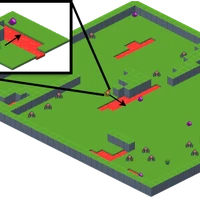



MUSES: 3D-Controllable Image Generation via Multi-Modal Agent Collaboration
Despite recent advancements in text-to-image generation, most existing methods struggle to create images with multiple objects and complex spatial relationships in 3D world. To tackle this limitation, we introduce a generic AI system, namely MUSES, for 3D-controllable image generation from user queries. Specifically, our MUSES addresses this challenging task by developing a progressive workflow with three key components, including (1) Layout Manager for 2D-to-3D layout lifting, (2) Model Engineer for 3D object acquisition and calibration, (3) Image Artist for 3D-to-2D image rendering. By mimicking the collaboration of human professionals, this multi-modal agent pipeline facilitates the effective and automatic creation of images with 3D-controllable objects, through an explainable integration of top-down planning and bottom-up generation. Additionally, we find that existing benchmarks lack detailed descriptions of complex 3D spatial relationships of multiple objects. To fill this gap, we further construct a new benchmark of T2I-3DisBench (3D image scene), which describes diverse 3D image scenes with 50 detailed prompts. Extensive experiments show the state-of-the-art performance of MUSES on both T2I-CompBench and T2I-3DisBench, outperforming recent strong competitors such as DALL-E 3 and Stable Diffusion 3. These results demonstrate a significant step of MUSES forward in bridging natural language, 2D image generation, and 3D world. Our codes and models will be released soon.


Kwai Keye-VL Technical Report
While Multimodal Large Language Models (MLLMs) demonstrate remarkable capabilities on static images, they often fall short in comprehending dynamic, information-dense short-form videos, a dominant medium in today's digital landscape. To bridge this gap, we introduce Kwai Keye-VL, an 8-billion-parameter multimodal foundation model engineered for leading-edge performance in short-video understanding while maintaining robust general-purpose vision-language abilities. The development of Keye-VL rests on two core pillars: a massive, high-quality dataset exceeding 600 billion tokens with a strong emphasis on video, and an innovative training recipe. This recipe features a four-stage pre-training process for solid vision-language alignment, followed by a meticulous two-phase post-training process. The first post-training stage enhances foundational capabilities like instruction following, while the second phase focuses on stimulating advanced reasoning. In this second phase, a key innovation is our five-mode ``cold-start'' data mixture, which includes ``thinking'', ``non-thinking'', ``auto-think'', ``think with image'', and high-quality video data. This mixture teaches the model to decide when and how to reason. Subsequent reinforcement learning (RL) and alignment steps further enhance these reasoning capabilities and correct abnormal model behaviors, such as repetitive outputs. To validate our approach, we conduct extensive evaluations, showing that Keye-VL achieves state-of-the-art results on public video benchmarks and remains highly competitive on general image-based tasks (Figure 1). Furthermore, we develop and release the KC-MMBench, a new benchmark tailored for real-world short-video scenarios, where Keye-VL shows a significant advantage.




Large Language Models aren't all that you need
This paper describes the architecture and systems built towards solving the SemEval 2023 Task 2: MultiCoNER II (Multilingual Complex Named Entity Recognition) [1]. We evaluate two approaches (a) a traditional Conditional Random Fields model and (b) a Large Language Model (LLM) fine-tuned with a customized head and compare the two approaches. The novel ideas explored are: 1) Decaying auxiliary loss (with residual) - where we train the model on an auxiliary task of Coarse-Grained NER and include this task as a part of the loss function 2) Triplet token blending - where we explore ways of blending the embeddings of neighboring tokens in the final NER layer prior to prediction 3) Task-optimal heads - where we explore a variety of custom heads and learning rates for the final layer of the LLM. We also explore multiple LLMs including GPT-3 and experiment with a variety of dropout and other hyperparameter settings before arriving at our final model which achieves micro & macro f1 of 0.85/0.84 (on dev) and 0.67/0.61 on the test data . We show that while pre-trained LLMs, by themselves, bring about a large improvement in scores as compared to traditional models, we also demonstrate that tangible improvements to the Macro-F1 score can be made by augmenting the LLM with additional feature/loss/model engineering techniques described above.
A Toy Model of Universality: Reverse Engineering How Networks Learn Group Operations
Universality is a key hypothesis in mechanistic interpretability -- that different models learn similar features and circuits when trained on similar tasks. In this work, we study the universality hypothesis by examining how small neural networks learn to implement group composition. We present a novel algorithm by which neural networks may implement composition for any finite group via mathematical representation theory. We then show that networks consistently learn this algorithm by reverse engineering model logits and weights, and confirm our understanding using ablations. By studying networks of differing architectures trained on various groups, we find mixed evidence for universality: using our algorithm, we can completely characterize the family of circuits and features that networks learn on this task, but for a given network the precise circuits learned -- as well as the order they develop -- are arbitrary.

LLM-enabled Instance Model Generation
In the domain of model-based engineering, models are essential components that enable system design and analysis. Traditionally, the creation of these models has been a manual process requiring not only deep modeling expertise but also substantial domain knowledge of target systems. With the rapid advancement of generative artificial intelligence, large language models (LLMs) show potential for automating model generation. This work explores the generation of instance models using LLMs, focusing specifically on producing XMI-based instance models from Ecore metamodels and natural language specifications. We observe that current LLMs struggle to directly generate valid XMI models. To address this, we propose a two-step approach: first, using LLMs to produce a simplified structured output containing all necessary instance model information, namely a conceptual instance model, and then compiling this intermediate representation into a valid XMI file. The conceptual instance model is format-independent, allowing it to be transformed into various modeling formats via different compilers. The feasibility of the proposed method has been demonstrated using several LLMs, including GPT-4o, o1-preview, Llama 3.1 (8B and 70B). Results show that the proposed method significantly improves the usability of LLMs for instance model generation tasks. Notably, the smaller open-source model, Llama 3.1 70B, demonstrated performance comparable to proprietary GPT models within the proposed framework.
SNIFFER: Multimodal Large Language Model for Explainable Out-of-Context Misinformation Detection
Misinformation is a prevalent societal issue due to its potential high risks. Out-of-context (OOC) misinformation, where authentic images are repurposed with false text, is one of the easiest and most effective ways to mislead audiences. Current methods focus on assessing image-text consistency but lack convincing explanations for their judgments, which is essential for debunking misinformation. While Multimodal Large Language Models (MLLMs) have rich knowledge and innate capability for visual reasoning and explanation generation, they still lack sophistication in understanding and discovering the subtle crossmodal differences. In this paper, we introduce SNIFFER, a novel multimodal large language model specifically engineered for OOC misinformation detection and explanation. SNIFFER employs two-stage instruction tuning on InstructBLIP. The first stage refines the model's concept alignment of generic objects with news-domain entities and the second stage leverages language-only GPT-4 generated OOC-specific instruction data to fine-tune the model's discriminatory powers. Enhanced by external tools and retrieval, SNIFFER not only detects inconsistencies between text and image but also utilizes external knowledge for contextual verification. Our experiments show that SNIFFER surpasses the original MLLM by over 40% and outperforms state-of-the-art methods in detection accuracy. SNIFFER also provides accurate and persuasive explanations as validated by quantitative and human evaluations.
DSL or Code? Evaluating the Quality of LLM-Generated Algebraic Specifications: A Case Study in Optimization at Kinaxis
Model-driven engineering (MDE) provides abstraction and analytical rigour, but industrial adoption in many domains has been limited by the cost of developing and maintaining models. Large language models (LLMs) can help shift this cost balance by supporting direct generation of models from natural-language (NL) descriptions. For domain-specific languages (DSLs), however, LLM-generated models may be less accurate than LLM-generated code in mainstream languages such as Python, due to the latter's dominance in LLM training corpora. We investigate this issue in mathematical optimization, with AMPL, a DSL with established industrial use. We introduce EXEOS, an LLM-based approach that derives AMPL models and Python code from NL problem descriptions and iteratively refines them with solver feedback. Using a public optimization dataset and real-world supply-chain cases from our industrial partner Kinaxis, we evaluate generated AMPL models against Python code in terms of executability and correctness. An ablation study with two LLM families shows that AMPL is competitive with, and sometimes better than, Python, and that our design choices in EXEOS improve the quality of generated specifications.
How to Train Your HiPPO: State Space Models with Generalized Orthogonal Basis Projections
Linear time-invariant state space models (SSM) are a classical model from engineering and statistics, that have recently been shown to be very promising in machine learning through the Structured State Space sequence model (S4). A core component of S4 involves initializing the SSM state matrix to a particular matrix called a HiPPO matrix, which was empirically important for S4's ability to handle long sequences. However, the specific matrix that S4 uses was actually derived in previous work for a particular time-varying dynamical system, and the use of this matrix as a time-invariant SSM had no known mathematical interpretation. Consequently, the theoretical mechanism by which S4 models long-range dependencies actually remains unexplained. We derive a more general and intuitive formulation of the HiPPO framework, which provides a simple mathematical interpretation of S4 as a decomposition onto exponentially-warped Legendre polynomials, explaining its ability to capture long dependencies. Our generalization introduces a theoretically rich class of SSMs that also lets us derive more intuitive S4 variants for other bases such as the Fourier basis, and explains other aspects of training S4, such as how to initialize the important timescale parameter. These insights improve S4's performance to 86% on the Long Range Arena benchmark, with 96% on the most difficult Path-X task.

Improving Conversational Recommendation Systems' Quality with Context-Aware Item Meta Information
Conversational recommendation systems (CRS) engage with users by inferring user preferences from dialog history, providing accurate recommendations, and generating appropriate responses. Previous CRSs use knowledge graph (KG) based recommendation modules and integrate KG with language models for response generation. Although KG-based approaches prove effective, two issues remain to be solved. First, KG-based approaches ignore the information in the conversational context but only rely on entity relations and bag of words to recommend items. Second, it requires substantial engineering efforts to maintain KGs that model domain-specific relations, thus leading to less flexibility. In this paper, we propose a simple yet effective architecture comprising a pre-trained language model (PLM) and an item metadata encoder. The encoder learns to map item metadata to embeddings that can reflect the semantic information in the dialog context. The PLM then consumes the semantic-aligned item embeddings together with dialog context to generate high-quality recommendations and responses. Instead of modeling entity relations with KGs, our model reduces engineering complexity by directly converting each item to an embedding. Experimental results on the benchmark dataset ReDial show that our model obtains state-of-the-art results on both recommendation and response generation tasks.
DiffNAS: Bootstrapping Diffusion Models by Prompting for Better Architectures
Diffusion models have recently exhibited remarkable performance on synthetic data. After a diffusion path is selected, a base model, such as UNet, operates as a denoising autoencoder, primarily predicting noises that need to be eliminated step by step. Consequently, it is crucial to employ a model that aligns with the expected budgets to facilitate superior synthetic performance. In this paper, we meticulously analyze the diffusion model and engineer a base model search approach, denoted "DiffNAS". Specifically, we leverage GPT-4 as a supernet to expedite the search, supplemented with a search memory to enhance the results. Moreover, we employ RFID as a proxy to promptly rank the experimental outcomes produced by GPT-4. We also adopt a rapid-convergence training strategy to boost search efficiency. Rigorous experimentation corroborates that our algorithm can augment the search efficiency by 2 times under GPT-based scenarios, while also attaining a performance of 2.82 with 0.37 improvement in FID on CIFAR10 relative to the benchmark IDDPM algorithm.
ModelWriter: Text & Model-Synchronized Document Engineering Platform
The ModelWriter platform provides a generic framework for automated traceability analysis. In this paper, we demonstrate how this framework can be used to trace the consistency and completeness of technical documents that consist of a set of System Installation Design Principles used by Airbus to ensure the correctness of aircraft system installation. We show in particular, how the platform allows the integration of two types of reasoning: reasoning about the meaning of text using semantic parsing and description logic theorem proving; and reasoning about document structure using first-order relational logic and finite model finding for traceability analysis.


LLMs as Method Actors: A Model for Prompt Engineering and Architecture
We introduce "Method Actors" as a mental model for guiding LLM prompt engineering and prompt architecture. Under this mental model, LLMs should be thought of as actors; prompts as scripts and cues; and LLM responses as performances. We apply this mental model to the task of improving LLM performance at playing Connections, a New York Times word puzzle game that prior research identified as a challenging benchmark for evaluating LLM reasoning. Our experiments with GPT-4o show that a "Method Actors" approach can significantly improve LLM performance over both a vanilla and "Chain of Thoughts" approach. A vanilla approach solves 27% of Connections puzzles in our dataset and a "Chain of Thoughts" approach solves 41% of puzzles, whereas our strongest "Method Actor" approach solves 86% of puzzles. We also test OpenAI's newest model designed specifically for complex reasoning tasks, o1-preview. When asked to solve a puzzle all at once, o1-preview solves 79% of Connections puzzles in our dataset, and when allowed to build puzzle solutions one guess at a time over multiple API calls, o1-preview solves 100% of the puzzles. Incorporating a "Method Actor" prompt architecture increases the percentage of puzzles that o1-preview solves perfectly from 76% to 87%.
A Critical Review of Large Language Model on Software Engineering: An Example from ChatGPT and Automated Program Repair
Large Language Models (LLMs) have been gaining increasing attention and demonstrated promising performance across a variety of Software Engineering (SE) tasks, such as Automated Program Repair (APR), code summarization, and code completion. For example, ChatGPT, the latest black-box LLM, has been investigated by numerous recent research studies and has shown impressive performance in various tasks. However, there exists a potential risk of data leakage since these LLMs are usually close-sourced with unknown specific training details, e.g., pre-training datasets. In this paper, we seek to review the bug-fixing capabilities of ChatGPT on a clean APR benchmark with different research objectives. We first introduce {\benchmark}, a new benchmark with buggy and the corresponding fixed programs from competitive programming problems starting from 2023, after the training cutoff point of ChatGPT. The results on {\benchmark} show that ChatGPT is able to fix 109 out of 151 buggy programs using the basic prompt within 35 independent rounds, outperforming state-of-the-art LLMs CodeT5 and PLBART by 27.5\% and 62.4\% prediction accuracy. We also investigate the impact of three types of prompts, i.e., problem description, error feedback, and bug localization, leading to additional 34 fixed bugs. Besides, we provide additional discussion from the interactive nature of ChatGPT to illustrate the capacity of a dialog-based repair workflow with 9 additional fixed bugs. Inspired by the findings, we further pinpoint various challenges and opportunities for advanced SE study equipped with such LLMs (e.g.,~ChatGPT) in the near future. More importantly, our work calls for more research on the reevaluation of the achievements obtained by existing black-box LLMs across various SE tasks, not limited to ChatGPT on APR.
Why Can't Transformers Learn Multiplication? Reverse-Engineering Reveals Long-Range Dependency Pitfalls
Language models are increasingly capable, yet still fail at a seemingly simple task of multi-digit multiplication. In this work, we study why, by reverse-engineering a model that successfully learns multiplication via implicit chain-of-thought, and report three findings: (1) Evidence of long-range structure: Logit attributions and linear probes indicate that the model encodes the necessary long-range dependencies for multi-digit multiplication. (2) Mechanism: the model encodes long-range dependencies using attention to construct a directed acyclic graph to ``cache'' and ``retrieve'' pairwise partial products. (3) Geometry: the model implements partial products in attention heads by forming Minkowski sums between pairs of digits, and digits are represented using a Fourier basis, both of which are intuitive and efficient representations that the standard fine-tuning model lacks. With these insights, we revisit the learning dynamics of standard fine-tuning and find that the model converges to a local optimum that lacks the required long-range dependencies. We further validate this understanding by introducing an auxiliary loss that predicts the ``running sum'' via a linear regression probe, which provides an inductive bias that enables the model to successfully learn multi-digit multiplication. In summary, by reverse-engineering the mechanisms of an implicit chain-of-thought model we uncover a pitfall for learning long-range dependencies in Transformers and provide an example of how the correct inductive bias can address this issue.


Prompt Engineering for Transformer-based Chemical Similarity Search Identifies Structurally Distinct Functional Analogues
Chemical similarity searches are widely used in-silico methods for identifying new drug-like molecules. These methods have historically relied on structure-based comparisons to compute molecular similarity. Here, we use a chemical language model to create a vector-based chemical search. We extend implementations by creating a prompt engineering strategy that utilizes two different chemical string representation algorithms: one for the query and the other for the database. We explore this method by reviewing the search results from five drug-like query molecules (penicillin G, nirmatrelvir, zidovudine, lysergic acid diethylamide, and fentanyl) and three dye-like query molecules (acid blue 25, avobenzone, and 2-diphenylaminocarbazole). We find that this novel method identifies molecules that are functionally similar to the query, indicated by the associated patent literature, and that many of these molecules are structurally distinct from the query, making them unlikely to be found with traditional chemical similarity search methods. This method may aid in the discovery of novel structural classes of molecules that achieve target functionality.

CXR-LLaVA: Multimodal Large Language Model for Interpreting Chest X-ray Images
Purpose: Recent advancements in large language models (LLMs) have expanded their capabilities in a multimodal fashion, potentially replicating the image interpretation of human radiologists. This study aimed to develop open-source multimodal large language model for interpreting chest X-ray images (CXR-LLaVA). We also examined the effect of prompt engineering and model parameters such as temperature and nucleus sampling. Materials and Methods: For training, we collected 659,287 publicly available CXRs: 417,336 CXRs had labels for certain radiographic abnormalities (dataset 1); 241,951 CXRs provided free-text radiology reports (dataset 2). After pre-training the Resnet50 as an image encoder, the contrastive language-image pre-training was used to align CXRs and corresponding radiographic abnormalities. Then, the Large Language Model Meta AI-2 was fine-tuned using dataset 2, which were refined using GPT-4, with generating various question answering scenarios. The code can be found at https://github.com/ECOFRI/CXR_LLaVA. Results: In the test set, we observed that the model's performance fluctuated based on its parameters. On average, it achieved F1 score of 0.34 for five pathologic findings (atelectasis, cardiomegaly, consolidation, edema, and pleural effusion), which was improved to 0.46 through prompt engineering. In the independent set, the model achieved an average F1 score of 0.30 for the same pathologic findings. Notably, for the pediatric chest radiograph dataset, which was unseen during training, the model differentiated abnormal radiographs with an F1 score ranging from 0.84 to 0.85. Conclusion: CXR-LLaVA demonstrates promising potential in CXR interpretation. Both prompt engineering and model parameter adjustments can play pivotal roles in interpreting CXRs.
Parametric-ControlNet: Multimodal Control in Foundation Models for Precise Engineering Design Synthesis
This paper introduces a generative model designed for multimodal control over text-to-image foundation generative AI models such as Stable Diffusion, specifically tailored for engineering design synthesis. Our model proposes parametric, image, and text control modalities to enhance design precision and diversity. Firstly, it handles both partial and complete parametric inputs using a diffusion model that acts as a design autocomplete co-pilot, coupled with a parametric encoder to process the information. Secondly, the model utilizes assembly graphs to systematically assemble input component images, which are then processed through a component encoder to capture essential visual data. Thirdly, textual descriptions are integrated via CLIP encoding, ensuring a comprehensive interpretation of design intent. These diverse inputs are synthesized through a multimodal fusion technique, creating a joint embedding that acts as the input to a module inspired by ControlNet. This integration allows the model to apply robust multimodal control to foundation models, facilitating the generation of complex and precise engineering designs. This approach broadens the capabilities of AI-driven design tools and demonstrates significant advancements in precise control based on diverse data modalities for enhanced design generation.



PTMTorrent: A Dataset for Mining Open-source Pre-trained Model Packages
Due to the cost of developing and training deep learning models from scratch, machine learning engineers have begun to reuse pre-trained models (PTMs) and fine-tune them for downstream tasks. PTM registries known as "model hubs" support engineers in distributing and reusing deep learning models. PTM packages include pre-trained weights, documentation, model architectures, datasets, and metadata. Mining the information in PTM packages will enable the discovery of engineering phenomena and tools to support software engineers. However, accessing this information is difficult - there are many PTM registries, and both the registries and the individual packages may have rate limiting for accessing the data. We present an open-source dataset, PTMTorrent, to facilitate the evaluation and understanding of PTM packages. This paper describes the creation, structure, usage, and limitations of the dataset. The dataset includes a snapshot of 5 model hubs and a total of 15,913 PTM packages. These packages are represented in a uniform data schema for cross-hub mining. We describe prior uses of this data and suggest research opportunities for mining using our dataset. The PTMTorrent dataset (v1) is available at: https://app.globus.org/file-manager?origin_id=55e17a6e-9d8f-11ed-a2a2-8383522b48d9&origin_path=%2F~%2F. Our dataset generation tools are available on GitHub: https://doi.org/10.5281/zenodo.7570357.


Discovery of interpretable structural model errors by combining Bayesian sparse regression and data assimilation: A chaotic Kuramoto-Sivashinsky test case
Models of many engineering and natural systems are imperfect. The discrepancy between the mathematical representations of a true physical system and its imperfect model is called the model error. These model errors can lead to substantial differences between the numerical solutions of the model and the state of the system, particularly in those involving nonlinear, multi-scale phenomena. Thus, there is increasing interest in reducing model errors, particularly by leveraging the rapidly growing observational data to understand their physics and sources. Here, we introduce a framework named MEDIDA: Model Error Discovery with Interpretability and Data Assimilation. MEDIDA only requires a working numerical solver of the model and a small number of noise-free or noisy sporadic observations of the system. In MEDIDA, first the model error is estimated from differences between the observed states and model-predicted states (the latter are obtained from a number of one-time-step numerical integrations from the previous observed states). If observations are noisy, a data assimilation (DA) technique such as ensemble Kalman filter (EnKF) is employed to provide the analysis state of the system, which is then used to estimate the model error. Finally, an equation-discovery technique, here the relevance vector machine (RVM), a sparsity-promoting Bayesian method, is used to identify an interpretable, parsimonious, and closed-form representation of the model error. Using the chaotic Kuramoto-Sivashinsky (KS) system as the test case, we demonstrate the excellent performance of MEDIDA in discovering different types of structural/parametric model errors, representing different types of missing physics, using noise-free and noisy observations.
Developing a Scalable Benchmark for Assessing Large Language Models in Knowledge Graph Engineering
As the field of Large Language Models (LLMs) evolves at an accelerated pace, the critical need to assess and monitor their performance emerges. We introduce a benchmarking framework focused on knowledge graph engineering (KGE) accompanied by three challenges addressing syntax and error correction, facts extraction and dataset generation. We show that while being a useful tool, LLMs are yet unfit to assist in knowledge graph generation with zero-shot prompting. Consequently, our LLM-KG-Bench framework provides automatic evaluation and storage of LLM responses as well as statistical data and visualization tools to support tracking of prompt engineering and model performance.

Symbolic Learning Enables Self-Evolving Agents
The AI community has been exploring a pathway to artificial general intelligence (AGI) by developing "language agents", which are complex large language models (LLMs) pipelines involving both prompting techniques and tool usage methods. While language agents have demonstrated impressive capabilities for many real-world tasks, a fundamental limitation of current language agents research is that they are model-centric, or engineering-centric. That's to say, the progress on prompts, tools, and pipelines of language agents requires substantial manual engineering efforts from human experts rather than automatically learning from data. We believe the transition from model-centric, or engineering-centric, to data-centric, i.e., the ability of language agents to autonomously learn and evolve in environments, is the key for them to possibly achieve AGI. In this work, we introduce agent symbolic learning, a systematic framework that enables language agents to optimize themselves on their own in a data-centric way using symbolic optimizers. Specifically, we consider agents as symbolic networks where learnable weights are defined by prompts, tools, and the way they are stacked together. Agent symbolic learning is designed to optimize the symbolic network within language agents by mimicking two fundamental algorithms in connectionist learning: back-propagation and gradient descent. Instead of dealing with numeric weights, agent symbolic learning works with natural language simulacrums of weights, loss, and gradients. We conduct proof-of-concept experiments on both standard benchmarks and complex real-world tasks and show that agent symbolic learning enables language agents to update themselves after being created and deployed in the wild, resulting in "self-evolving agents".




PaccMann: Prediction of anticancer compound sensitivity with multi-modal attention-based neural networks
We present a novel approach for the prediction of anticancer compound sensitivity by means of multi-modal attention-based neural networks (PaccMann). In our approach, we integrate three key pillars of drug sensitivity, namely, the molecular structure of compounds, transcriptomic profiles of cancer cells as well as prior knowledge about interactions among proteins within cells. Our models ingest a drug-cell pair consisting of SMILES encoding of a compound and the gene expression profile of a cancer cell and predicts an IC50 sensitivity value. Gene expression profiles are encoded using an attention-based encoding mechanism that assigns high weights to the most informative genes. We present and study three encoders for SMILES string of compounds: 1) bidirectional recurrent 2) convolutional 3) attention-based encoders. We compare our devised models against a baseline model that ingests engineered fingerprints to represent the molecular structure. We demonstrate that using our attention-based encoders, we can surpass the baseline model. The use of attention-based encoders enhance interpretability and enable us to identify genes, bonds and atoms that were used by the network to make a prediction.

BugPilot: Complex Bug Generation for Efficient Learning of SWE Skills
High quality bugs are key to training the next generation of language model based software engineering (SWE) agents. We introduce a novel method for synthetic generation of difficult and diverse bugs. Our method instructs SWE Agents to introduce a feature into the codebase whereby they may unintentionally break tests, resulting in bugs. Prior approaches often induce an out-of-distribution effect by generating bugs intentionally (e.g. by introducing local perturbation to existing code), which does not reflect realistic development processes. We perform qualitative analysis to demonstrate that our approach for generating bugs more closely reflects the patterns found in human-authored edits. Through extensive experiments, we demonstrate that our bugs provide more efficient training data for supervised fine-tuning, outperforming other bug datasets by 2% with half the training data (1.2k vs. 3k bugs). We train on our newly generated bugs in addition to existing bug datasets to get FrogBoss a state-of-the-art 32B parameter model on SWE-bench Verified with a pass@1 of 54.6% and FrogMini a state-of-the-art 14B model on SWE-bench Verified with a pass@1 of 45.3% on SWE-bench Verified averaged over three seeds.
Neuron-Level Analysis of Cultural Understanding in Large Language Models
As large language models (LLMs) are increasingly deployed worldwide, ensuring their fair and comprehensive cultural understanding is important. However, LLMs exhibit cultural bias and limited awareness of underrepresented cultures, while the mechanisms underlying their cultural understanding remain underexplored. To fill this gap, we conduct a neuron-level analysis to identify neurons that drive cultural behavior, introducing a gradient-based scoring method with additional filtering for precise refinement. We identify both culture-general neurons contributing to cultural understanding regardless of cultures, and culture-specific neurons tied to an individual culture. These neurons account for less than 1% of all neurons and are concentrated in shallow to middle MLP layers. We validate their role by showing that suppressing them substantially degrades performance on cultural benchmarks (by up to 30%), while performance on general natural language understanding (NLU) benchmarks remains largely unaffected. Moreover, we show that culture-specific neurons support knowledge of not only the target culture, but also related cultures. Finally, we demonstrate that training on NLU benchmarks can diminish models' cultural understanding when we update modules containing many culture-general neurons. These findings provide insights into the internal mechanisms of LLMs and offer practical guidance for model training and engineering. Our code is available at https://github.com/ynklab/CULNIG
Inference-Time Intervention in Large Language Models for Reliable Requirement Verification
Steering the behavior of Large Language Models (LLMs) remains a challenge, particularly in engineering applications where precision and reliability are critical. While fine-tuning and prompting methods can modify model behavior, they lack the dynamic and exact control necessary for engineering applications. Inference-time intervention techniques provide a promising alternative, allowing targeted adjustments to LLM outputs. In this work, we demonstrate how interventions enable fine-grained control for automating the usually time-intensive requirement verification process in Model-Based Systems Engineering (MBSE). Using two early-stage Capella SysML models of space missions with associated requirements, we apply the intervened LLMs to reason over a graph representation of the model to determine whether a requirement is fulfilled. Our method achieves robust and reliable outputs, significantly improving over both a baseline model and a fine-tuning approach. By identifying and modifying as few as one to three specialised attention heads, we can significantly change the model's behavior. When combined with self-consistency, this allows us to achieve perfect precision on our holdout test set.
Documenting Ethical Considerations in Open Source AI Models
Background: The development of AI-enabled software heavily depends on AI model documentation, such as model cards, due to different domain expertise between software engineers and model developers. From an ethical standpoint, AI model documentation conveys critical information on ethical considerations along with mitigation strategies for downstream developers to ensure the delivery of ethically compliant software. However, knowledge on such documentation practice remains scarce. Aims: The objective of our study is to investigate how developers document ethical aspects of open source AI models in practice, aiming at providing recommendations for future documentation endeavours. Method: We selected three sources of documentation on GitHub and Hugging Face, and developed a keyword set to identify ethics-related documents systematically. After filtering an initial set of 2,347 documents, we identified 265 relevant ones and performed thematic analysis to derive the themes of ethical considerations. Results: Six themes emerge, with the three largest ones being model behavioural risks, model use cases, and model risk mitigation. Conclusions: Our findings reveal that open source AI model documentation focuses on articulating ethical problem statements and use case restrictions. We further provide suggestions to various stakeholders for improving documentation practice regarding ethical considerations.
A Field Guide to Deploying AI Agents in Clinical Practice
Large language models (LLMs) integrated into agent-driven workflows hold immense promise for healthcare, yet a significant gap exists between their potential and practical implementation within clinical settings. To address this, we present a practitioner-oriented field manual for deploying generative agents that use electronic health record (EHR) data. This guide is informed by our experience deploying the "irAE-Agent", an automated system to detect immune-related adverse events from clinical notes at Mass General Brigham, and by structured interviews with 21 clinicians, engineers, and informatics leaders involved in the project. Our analysis reveals a critical misalignment in clinical AI development: less than 20% of our effort was dedicated to prompt engineering and model development, while over 80% was consumed by the sociotechnical work of implementation. We distill this effort into five "heavy lifts": data integration, model validation, ensuring economic value, managing system drift, and governance. By providing actionable solutions for each of these challenges, this field manual shifts the focus from algorithmic development to the essential infrastructure and implementation work required to bridge the "valley of death" and successfully translate generative AI from pilot projects into routine clinical care.
Sequential Recommendation for Optimizing Both Immediate Feedback and Long-term Retention
In the landscape of Recommender System (RS) applications, reinforcement learning (RL) has recently emerged as a powerful tool, primarily due to its proficiency in optimizing long-term rewards. Nevertheless, it suffers from instability in the learning process, stemming from the intricate interactions among bootstrapping, off-policy training, and function approximation. Moreover, in multi-reward recommendation scenarios, designing a proper reward setting that reconciles the inner dynamics of various tasks is quite intricate. In response to these challenges, we introduce DT4IER, an advanced decision transformer-based recommendation model that is engineered to not only elevate the effectiveness of recommendations but also to achieve a harmonious balance between immediate user engagement and long-term retention. The DT4IER applies an innovative multi-reward design that adeptly balances short and long-term rewards with user-specific attributes, which serve to enhance the contextual richness of the reward sequence ensuring a more informed and personalized recommendation process. To enhance its predictive capabilities, DT4IER incorporates a high-dimensional encoder, skillfully designed to identify and leverage the intricate interrelations across diverse tasks. Furthermore, we integrate a contrastive learning approach within the action embedding predictions, a strategy that significantly boosts the model's overall performance. Experiments on three real-world datasets demonstrate the effectiveness of DT4IER against state-of-the-art Sequential Recommender Systems (SRSs) and Multi-Task Learning (MTL) models in terms of both prediction accuracy and effectiveness in specific tasks. The source code is accessible online to facilitate replication
PatchAlign3D: Local Feature Alignment for Dense 3D Shape understanding
Current foundation models for 3D shapes excel at global tasks (retrieval, classification) but transfer poorly to local part-level reasoning. Recent approaches leverage vision and language foundation models to directly solve dense tasks through multi-view renderings and text queries. While promising, these pipelines require expensive inference over multiple renderings, depend heavily on large language-model (LLM) prompt engineering for captions, and fail to exploit the inherent 3D geometry of shapes. We address this gap by introducing an encoder-only 3D model that produces language-aligned patch-level features directly from point clouds. Our pre-training approach builds on existing data engines that generate part-annotated 3D shapes by pairing multi-view SAM regions with VLM captioning. Using this data, we train a point cloud transformer encoder in two stages: (1) distillation of dense 2D features from visual encoders such as DINOv2 into 3D patches, and (2) alignment of these patch embeddings with part-level text embeddings through a multi-positive contrastive objective. Our 3D encoder achieves zero-shot 3D part segmentation with fast single-pass inference without any test-time multi-view rendering, while significantly outperforming previous rendering-based and feed-forward approaches across several 3D part segmentation benchmarks. Project website: https://souhail-hadgi.github.io/patchalign3dsite/
Dark forces suppress structure growth
No experimental test precludes the possibility that the dark matter experiences forces beyond general relativity -- in fact, a variety of cosmic microwave background observations suggest greater late-time structure than predicted in the standard Lambda cold dark matter model. We show that minimal models of scalar-mediated forces between dark matter particles do not enhance the growth of unbiased tracers of structure: weak lensing observables depend on the total density perturbation, for which the enhanced growth of the density contrast in the matter era is cancelled by the more rapid dilution of the background dark matter density. Moreover, the same background-level effects imply that scenarios compatible with CMB temperature and polarization anisotropies in fact suppress structure growth, as fixing the distance to last scattering requires a substantially increased density of dark energy. Though massive mediators undo these effects upon oscillating, they suppress structure even further because their gravitational impact as nonclustering subcomponents of matter outweighs the enhanced clustering strength of dark matter. We support these findings with analytic insight that clarifies the physical impact of dark forces and explains how primary CMB measurements calibrate the model's predictions for low-redshift observables. We discuss implications for neutrino mass limits and other cosmological anomalies, and we also consider how nonminimal extensions of the model might be engineered to enhance structure.
Engineering A Large Language Model From Scratch
The proliferation of deep learning in natural language processing (NLP) has led to the development and release of innovative technologies capable of understanding and generating human language with remarkable proficiency. Atinuke, a Transformer-based neural network, optimises performance across various language tasks by utilising a unique configuration. The architecture interweaves layers for processing sequential data with attention mechanisms to draw meaningful affinities between inputs and outputs. Due to the configuration of its topology and hyperparameter tuning, it can emulate human-like language by extracting features and learning complex mappings. Atinuke is modular, extensible, and integrates seamlessly with existing machine learning pipelines. Advanced matrix operations like softmax, embeddings, and multi-head attention enable nuanced handling of textual, acoustic, and visual signals. By unifying modern deep learning techniques with software design principles and mathematical theory, the system achieves state-of-the-art results on natural language tasks whilst remaining interpretable and robust.

Towards General Conceptual Model Editing via Adversarial Representation Engineering
Since the development of Large Language Models (LLMs) has achieved remarkable success, understanding and controlling their internal complex mechanisms has become an urgent problem. Recent research has attempted to interpret their behaviors through the lens of inner representation. However, developing practical and efficient methods for applying these representations for general and flexible model editing remains challenging. In this work, we explore how to use representation engineering methods to guide the editing of LLMs by deploying a representation sensor as an oracle. We first identify the importance of a robust and reliable sensor during editing, then propose an Adversarial Representation Engineering (ARE) framework to provide a unified and interpretable approach for conceptual model editing without compromising baseline performance. Experiments on multiple model editing paradigms demonstrate the effectiveness of ARE in various settings. Code and data are available at https://github.com/Zhang-Yihao/Adversarial-Representation-Engineering.
A Prompt-Engineered Large Language Model, Deep Learning Workflow for Materials Classification
Large language models (LLMs) have demonstrated rapid progress across a wide array of domains. Owing to the very large number of parameters and training data in LLMs, these models inherently encompass an expansive and comprehensive materials knowledge database, far exceeding the capabilities of individual researcher. Nonetheless, devising methods to harness the knowledge embedded within LLMs for the design and discovery of novel materials remains a formidable challenge. We introduce a general approach for addressing materials classification problems, which incorporates LLMs, prompt engineering, and deep learning. Utilizing a dataset of metallic glasses as a case study, our methodology achieved an improvement of up to 463% in prediction accuracy compared to conventional classification models. These findings underscore the potential of leveraging textual knowledge generated by LLMs for materials especially in the common situation where datasets are sparse, thereby promoting innovation in materials discovery and design.

Dialogue Language Model with Large-Scale Persona Data Engineering
Maintaining persona consistency is paramount in the application of open-domain dialogue systems, as exemplified by models like ChatGPT. Despite significant advancements, the limited scale and diversity of current persona dialogue datasets remain challenges to achieving robust persona-consistent dialogue models. In this study, drawing inspiration from the success of large-scale pre-training, we introduce PPDS, an open-domain persona dialogue system that employs extensive generative pre-training on a persona dialogue dataset to enhance persona consistency. Specifically, we present a persona extraction model designed to autonomously and precisely generate vast persona dialogue datasets. Additionally, we unveil a pioneering persona augmentation technique to address the invalid persona bias inherent in the constructed dataset. Both quantitative and human evaluations consistently highlight the superior response quality and persona consistency of our proposed model, underscoring its effectiveness.
Large Language Model-Based Agents for Software Engineering: A Survey
The recent advance in Large Language Models (LLMs) has shaped a new paradigm of AI agents, i.e., LLM-based agents. Compared to standalone LLMs, LLM-based agents substantially extend the versatility and expertise of LLMs by enhancing LLMs with the capabilities of perceiving and utilizing external resources and tools. To date, LLM-based agents have been applied and shown remarkable effectiveness in Software Engineering (SE). The synergy between multiple agents and human interaction brings further promise in tackling complex real-world SE problems. In this work, we present a comprehensive and systematic survey on LLM-based agents for SE. We collect 106 papers and categorize them from two perspectives, i.e., the SE and agent perspectives. In addition, we discuss open challenges and future directions in this critical domain. The repository of this survey is at https://github.com/FudanSELab/Agent4SE-Paper-List.

Knowledge Graph Modeling-Driven Large Language Model Operating System (LLM OS) for Task Automation in Process Engineering Problem-Solving
We present the Process Engineering Operations Assistant (PEOA), an AI-driven framework designed to solve complex problems in the chemical and process industries. The framework employs a modular architecture orchestrated by a meta-agent, which serves as the central coordinator, managing an action generator and instruction-tuned small-scale language models (expert models). The action generator decomposes complex problems into sub-tasks and identifies suitable expert models to execute each, delivering precise solutions for multi-step problem-solving. Key techniques include advanced knowledge modeling using property graphs for improved information retrieval, facilitating more accurate and contextually relevant solutions. Additionally, the framework utilizes a teacher-student transfer-learning approach with GPT-4 (Omni) to fine-tune the action generator and expert models for domain adaptation, alongside an iterative problem-solving mechanism with sophisticated error handling. Custom datasets were developed to evaluate the framework against leading proprietary language models on various engineering tasks. The results demonstrate the framework effectiveness in automating calculations, accelerating prototyping, and providing AI-augmented decision support for industrial processes, marking a significant advancement in process engineering capabilities.
DP-OPT: Make Large Language Model Your Privacy-Preserving Prompt Engineer
Large Language Models (LLMs) have emerged as dominant tools for various tasks, particularly when tailored for a specific target by prompt tuning. Nevertheless, concerns surrounding data privacy present obstacles due to the tuned prompts' dependency on sensitive private information. A practical solution is to host a local LLM and optimize a soft prompt privately using data. Yet, hosting a local model becomes problematic when model ownership is protected. Alternative methods, like sending data to the model's provider for training, intensify these privacy issues facing an untrusted provider. In this paper, we present a novel solution called Differentially-Private Offsite Prompt Tuning (DP-OPT) to address this challenge. Our approach involves tuning a discrete prompt on the client side and then applying it to the desired cloud models. We demonstrate that prompts suggested by LLMs themselves can be transferred without compromising performance significantly. To ensure that the prompts do not leak private information, we introduce the first private prompt generation mechanism, by a differentially-private (DP) ensemble of in-context learning with private demonstrations. With DP-OPT, generating privacy-preserving prompts by Vicuna-7b can yield competitive performance compared to non-private in-context learning on GPT3.5 or local private prompt tuning. Codes are available at https://github.com/VITA-Group/DP-OPT .


Code Graph Model (CGM): A Graph-Integrated Large Language Model for Repository-Level Software Engineering Tasks
Recent advances in Large Language Models (LLMs) have shown promise in function-level code generation, yet repository-level software engineering tasks remain challenging. Current solutions predominantly rely on proprietary LLM agents, which introduce unpredictability and limit accessibility, raising concerns about data privacy and model customization. This paper investigates whether open-source LLMs can effectively address repository-level tasks without requiring agent-based approaches. We demonstrate this is possible by enabling LLMs to comprehend functions and files within codebases through their semantic information and structural dependencies. To this end, we introduce Code Graph Models (CGMs), which integrate repository code graph structures into the LLM's attention mechanism and map node attributes to the LLM's input space using a specialized adapter. When combined with an agentless graph RAG framework, our approach achieves a 43.00% resolution rate on the SWE-bench Lite benchmark using the open-source Qwen2.5-72B model. This performance ranks first among open weight models, second among methods with open-source systems, and eighth overall, surpassing the previous best open-source model-based method by 12.33%.

VenusFactory: A Unified Platform for Protein Engineering Data Retrieval and Language Model Fine-Tuning
Natural language processing (NLP) has significantly influenced scientific domains beyond human language, including protein engineering, where pre-trained protein language models (PLMs) have demonstrated remarkable success. However, interdisciplinary adoption remains limited due to challenges in data collection, task benchmarking, and application. This work presents VenusFactory, a versatile engine that integrates biological data retrieval, standardized task benchmarking, and modular fine-tuning of PLMs. VenusFactory supports both computer science and biology communities with choices of both a command-line execution and a Gradio-based no-code interface, integrating 40+ protein-related datasets and 40+ popular PLMs. All implementations are open-sourced on https://github.com/tyang816/VenusFactory.


How do Scaling Laws Apply to Knowledge Graph Engineering Tasks? The Impact of Model Size on Large Language Model Performance
When using Large Language Models (LLMs) to support Knowledge Graph Engineering (KGE), one of the first indications when searching for an appropriate model is its size. According to the scaling laws, larger models typically show higher capabilities. However, in practice, resource costs are also an important factor and thus it makes sense to consider the ratio between model performance and costs. The LLM-KG-Bench framework enables the comparison of LLMs in the context of KGE tasks and assesses their capabilities of understanding and producing KGs and KG queries. Based on a dataset created in an LLM-KG-Bench run covering 26 open state-of-the-art LLMs, we explore the model size scaling laws specific to KGE tasks. In our analyses, we assess how benchmark scores evolve between different model size categories. Additionally, we inspect how the general score development of single models and families of models correlates to their size. Our analyses revealed that, with a few exceptions, the model size scaling laws generally also apply to the selected KGE tasks. However, in some cases, plateau or ceiling effects occurred, i.e., the task performance did not change much between a model and the next larger model. In these cases, smaller models could be considered to achieve high cost-effectiveness. Regarding models of the same family, sometimes larger models performed worse than smaller models of the same family. These effects occurred only locally. Hence it is advisable to additionally test the next smallest and largest model of the same family.
Reverse-Engineered Reasoning for Open-Ended Generation
While the ``deep reasoning'' paradigm has spurred significant advances in verifiable domains like mathematics, its application to open-ended, creative generation remains a critical challenge. The two dominant methods for instilling reasoning -- reinforcement learning (RL) and instruction distillation -- falter in this area; RL struggles with the absence of clear reward signals and high-quality reward models, while distillation is prohibitively expensive and capped by the teacher model's capabilities. To overcome these limitations, we introduce REverse-Engineered Reasoning (REER), a new paradigm that fundamentally shifts the approach. Instead of building a reasoning process ``forwards'' through trial-and-error or imitation, REER works ``backwards'' from known-good solutions to computationally discover the latent, step-by-step deep reasoning process that could have produced them. Using this scalable, gradient-free approach, we curate and open-source DeepWriting-20K, a large-scale dataset of 20,000 deep reasoning trajectories for open-ended tasks. Our model, DeepWriter-8B, trained on this data, not only surpasses strong open-source baselines but also achieves performance competitive with, and at times superior to, leading proprietary models like GPT-4o and Claude 3.5.



Context Engineering for Trustworthiness: Rescorla Wagner Steering Under Mixed and Inappropriate Contexts
Incorporating external context can significantly enhance the response quality of Large Language Models (LLMs). However, real-world contexts often mix relevant information with disproportionate inappropriate content, posing reliability risks. How do LLMs process and prioritize mixed context? To study this, we introduce the Poisoned Context Testbed, pairing queries with real-world contexts containing relevant and inappropriate content. Inspired by associative learning in animals, we adapt the Rescorla-Wagner (RW) model from neuroscience to quantify how competing contextual signals influence LLM outputs. Our adapted model reveals a consistent behavioral pattern: LLMs exhibit a strong tendency to incorporate information that is less prevalent in the context. This susceptibility is harmful in real-world settings, where small amounts of inappropriate content can substantially degrade response quality. Empirical evaluations on our testbed further confirm this vulnerability. To tackle this, we introduce RW-Steering, a two-stage finetuning-based approach that enables the model to internally identify and ignore inappropriate signals. Unlike prior methods that rely on extensive supervision across diverse context mixtures, RW-Steering generalizes robustly across varying proportions of inappropriate content. Experiments show that our best fine-tuned model improves response quality by 39.8% and reverses the undesirable behavior curve, establishing RW-Steering as a robust, generalizable context engineering solution for improving LLM safety in real-world use.


OpenMedLM: Prompt engineering can out-perform fine-tuning in medical question-answering with open-source large language models
LLMs have become increasingly capable at accomplishing a range of specialized-tasks and can be utilized to expand equitable access to medical knowledge. Most medical LLMs have involved extensive fine-tuning, leveraging specialized medical data and significant, thus costly, amounts of computational power. Many of the top performing LLMs are proprietary and their access is limited to very few research groups. However, open-source (OS) models represent a key area of growth for medical LLMs due to significant improvements in performance and an inherent ability to provide the transparency and compliance required in healthcare. We present OpenMedLM, a prompting platform which delivers state-of-the-art (SOTA) performance for OS LLMs on medical benchmarks. We evaluated a range of OS foundation LLMs (7B-70B) on four medical benchmarks (MedQA, MedMCQA, PubMedQA, MMLU medical-subset). We employed a series of prompting strategies, including zero-shot, few-shot, chain-of-thought (random selection and kNN selection), and ensemble/self-consistency voting. We found that OpenMedLM delivers OS SOTA results on three common medical LLM benchmarks, surpassing the previous best performing OS models that leveraged computationally costly extensive fine-tuning. The model delivers a 72.6% accuracy on the MedQA benchmark, outperforming the previous SOTA by 2.4%, and achieves 81.7% accuracy on the MMLU medical-subset, establishing itself as the first OS LLM to surpass 80% accuracy on this benchmark. Our results highlight medical-specific emergent properties in OS LLMs which have not yet been documented to date elsewhere, and showcase the benefits of further leveraging prompt engineering to improve the performance of accessible LLMs for medical applications.
Bio-inspired computational memory model of the Hippocampus: an approach to a neuromorphic spike-based Content-Addressable Memory
The brain has computational capabilities that surpass those of modern systems, being able to solve complex problems efficiently in a simple way. Neuromorphic engineering aims to mimic biology in order to develop new systems capable of incorporating such capabilities. Bio-inspired learning systems continue to be a challenge that must be solved, and much work needs to be done in this regard. Among all brain regions, the hippocampus stands out as an autoassociative short-term memory with the capacity to learn and recall memories from any fragment of them. These characteristics make the hippocampus an ideal candidate for developing bio-inspired learning systems that, in addition, resemble content-addressable memories. Therefore, in this work we propose a bio-inspired spiking content-addressable memory model based on the CA3 region of the hippocampus with the ability to learn, forget and recall memories, both orthogonal and non-orthogonal, from any fragment of them. The model was implemented on the SpiNNaker hardware platform using Spiking Neural Networks. A set of experiments based on functional, stress and applicability tests were performed to demonstrate its correct functioning. This work presents the first hardware implementation of a fully-functional bio-inspired spiking hippocampal content-addressable memory model, paving the way for the development of future more complex neuromorphic systems.

Prompt Engineering a Prompt Engineer
Prompt engineering is a challenging yet crucial task for optimizing the performance of large language models (LLMs). It requires complex reasoning to examine the model's errors, hypothesize what is missing or misleading in the current prompt, and communicate the task with clarity. While recent works indicate that LLMs can be meta-prompted to perform automatic prompt engineering, their potentials may not be fully untapped due to the lack of sufficient guidance to elicit complex reasoning capabilities in LLMs in the meta-prompt. In this work, we investigate the problem of "prompt engineering a prompt engineer" -- constructing a meta-prompt that more effectively guides LLMs to perform automatic prompt engineering. We introduce and analyze key components, such as a step-by-step reasoning template and context specification, which lead to improved performance. In addition, inspired by common optimization concepts such as batch size, step size and momentum, we introduce their verbalized counterparts to the meta-prompt and investigate their effects. Our final method, named PE2, finds a prompt that outperforms "let's think step by step" by 6.3% on the MultiArith dataset and 3.1% on the GSM8K dataset. To demonstrate its versatility, we apply PE2 to the Instruction Induction benchmark, a suite of counterfactual tasks, and a lengthy, real-world industrial prompt. In these settings, PE2 achieves strong performance and outperforms prior automatic prompt engineering baselines. Further, we show that PE2 makes meaningful and targeted prompt edits, amends erroneous or incomplete prompts, and presents non-trivial counterfactual reasoning abilities.


Agentic Context Engineering: Evolving Contexts for Self-Improving Language Models
Large language model (LLM) applications such as agents and domain-specific reasoning increasingly rely on context adaptation -- modifying inputs with instructions, strategies, or evidence, rather than weight updates. Prior approaches improve usability but often suffer from brevity bias, which drops domain insights for concise summaries, and from context collapse, where iterative rewriting erodes details over time. Building on the adaptive memory introduced by Dynamic Cheatsheet, we introduce ACE (Agentic Context Engineering), a framework that treats contexts as evolving playbooks that accumulate, refine, and organize strategies through a modular process of generation, reflection, and curation. ACE prevents collapse with structured, incremental updates that preserve detailed knowledge and scale with long-context models. Across agent and domain-specific benchmarks, ACE optimizes contexts both offline (e.g., system prompts) and online (e.g., agent memory), consistently outperforming strong baselines: +10.6% on agents and +8.6% on finance, while significantly reducing adaptation latency and rollout cost. Notably, ACE could adapt effectively without labeled supervision and instead by leveraging natural execution feedback. On the AppWorld leaderboard, ACE matches the top-ranked production-level agent on the overall average and surpasses it on the harder test-challenge split, despite using a smaller open-source model. These results show that comprehensive, evolving contexts enable scalable, efficient, and self-improving LLM systems with low overhead.


Beyond Prompt Engineering: Robust Behavior Control in LLMs via Steering Target Atoms
Precise control over language model generation is vital for ensuring both safety and reliability. Although prompt engineering and steering are commonly used to intervene in model behaviors, the vast number of parameters in models often results in highly intertwined internal representations. This interdependency can limit control precision and sometimes lead to unintended side effects. Recent research has explored the use of sparse autoencoders (SAE) to disentangle knowledge in high-dimensional spaces for steering. However, these applications have been limited to toy tasks owing to the nontrivial issue of locating atomic knowledge components. In this paper, we propose Steering Target Atoms (STA), a novel method that isolates and manipulates disentangled knowledge components to enhance safety. Comprehensive experiments demonstrate the effectiveness of our approach. Further analysis reveals that steering exhibits superior robustness and flexibility, particularly in adversarial scenarios. We also apply the steering strategy to the large reasoning model, confirming its effectiveness in precise reasoning control.



LEMDA: A Novel Feature Engineering Method for Intrusion Detection in IoT Systems
Intrusion detection systems (IDS) for the Internet of Things (IoT) systems can use AI-based models to ensure secure communications. IoT systems tend to have many connected devices producing massive amounts of data with high dimensionality, which requires complex models. Complex models have notorious problems such as overfitting, low interpretability, and high computational complexity. Adding model complexity penalty (i.e., regularization) can ease overfitting, but it barely helps interpretability and computational efficiency. Feature engineering can solve these issues; hence, it has become critical for IDS in large-scale IoT systems to reduce the size and dimensionality of data, resulting in less complex models with excellent performance, smaller data storage, and fast detection. This paper proposes a new feature engineering method called LEMDA (Light feature Engineering based on the Mean Decrease in Accuracy). LEMDA applies exponential decay and an optional sensitivity factor to select and create the most informative features. The proposed method has been evaluated and compared to other feature engineering methods using three IoT datasets and four AI/ML models. The results show that LEMDA improves the F1 score performance of all the IDS models by an average of 34% and reduces the average training and detection times in most cases.
ChiMed-GPT: A Chinese Medical Large Language Model with Full Training Regime and Better Alignment to Human Preferences
Recently, the increasing demand for superior medical services has highlighted the discrepancies in the medical infrastructure. With big data, especially texts, forming the foundation of medical services, there is an exigent need for effective natural language processing (NLP) solutions tailored to the healthcare domain. Conventional approaches leveraging pre-trained models present promising results in this domain and current large language models (LLMs) offer advanced foundation for medical text processing. However, most medical LLMs are trained only with supervised fine-tuning (SFT), even though it efficiently empowers LLMs to understand and respond to medical instructions but is ineffective in learning domain knowledge and aligning with human preference. Another engineering barrier that prevents current medical LLM from better text processing ability is their restricted context length (e.g., 2,048 tokens), making it hard for the LLMs to process long context, which is frequently required in the medical domain. In this work, we propose ChiMed-GPT, a new benchmark LLM designed explicitly for Chinese medical domain, with enlarged context length to 4,096 tokens and undergoes a comprehensive training regime with pre-training, SFT, and RLHF. Evaluations on real-world tasks including information extraction, question answering, and dialogue generation demonstrate ChiMed-GPT's superior performance over general domain LLMs. Furthermore, we analyze possible biases through prompting ChiMed-GPT to perform attitude scales regarding discrimination of patients, so as to contribute to further responsible development of LLMs in the medical domain. The code and model are released at https://github.com/synlp/ChiMed-GPT.

Style Vectors for Steering Generative Large Language Model
This research explores strategies for steering the output of large language models (LLMs) towards specific styles, such as sentiment, emotion, or writing style, by adding style vectors to the activations of hidden layers during text generation. We show that style vectors can be simply computed from recorded layer activations for input texts in a specific style in contrast to more complex training-based approaches. Through a series of experiments, we demonstrate the effectiveness of activation engineering using such style vectors to influence the style of generated text in a nuanced and parameterisable way, distinguishing it from prompt engineering. The presented research constitutes a significant step towards developing more adaptive and effective AI-empowered interactive systems.
Point2CAD: Reverse Engineering CAD Models from 3D Point Clouds
Computer-Aided Design (CAD) model reconstruction from point clouds is an important problem at the intersection of computer vision, graphics, and machine learning; it saves the designer significant time when iterating on in-the-wild objects. Recent advancements in this direction achieve relatively reliable semantic segmentation but still struggle to produce an adequate topology of the CAD model. In this work, we analyze the current state of the art for that ill-posed task and identify shortcomings of existing methods. We propose a hybrid analytic-neural reconstruction scheme that bridges the gap between segmented point clouds and structured CAD models and can be readily combined with different segmentation backbones. Moreover, to power the surface fitting stage, we propose a novel implicit neural representation of freeform surfaces, driving up the performance of our overall CAD reconstruction scheme. We extensively evaluate our method on the popular ABC benchmark of CAD models and set a new state-of-the-art for that dataset. Project page: https://www.obukhov.ai/point2cad}{https://www.obukhov.ai/point2cad.


Challenges and Practices of Deep Learning Model Reengineering: A Case Study on Computer Vision
Many engineering organizations are reimplementing and extending deep neural networks from the research community. We describe this process as deep learning model reengineering. Deep learning model reengineering - reusing, reproducing, adapting, and enhancing state-of-the-art deep learning approaches - is challenging for reasons including under-documented reference models, changing requirements, and the cost of implementation and testing. In addition, individual engineers may lack expertise in software engineering, yet teams must apply knowledge of software engineering and deep learning to succeed. Prior work has examined on DL systems from a "product" view, examining defects from projects regardless of the engineers' purpose. Our study is focused on reengineering activities from a "process" view, and focuses on engineers specifically engaged in the reengineering process. Our goal is to understand the characteristics and challenges of deep learning model reengineering. We conducted a case study of this phenomenon, focusing on the context of computer vision. Our results draw from two data sources: defects reported in open-source reeengineering projects, and interviews conducted with open-source project contributors and the leaders of a reengineering team. Our results describe how deep learning-based computer vision techniques are reengineered, analyze the distribution of defects in this process, and discuss challenges and practices. Integrating our quantitative and qualitative data, we proposed a novel reengineering workflow. Our findings inform several future directions, including: measuring additional unknown aspects of model reengineering; standardizing engineering practices to facilitate reengineering; and developing tools to support model reengineering and model reuse.

Towards Reverse-Engineering Black-Box Neural Networks
Many deployed learned models are black boxes: given input, returns output. Internal information about the model, such as the architecture, optimisation procedure, or training data, is not disclosed explicitly as it might contain proprietary information or make the system more vulnerable. This work shows that such attributes of neural networks can be exposed from a sequence of queries. This has multiple implications. On the one hand, our work exposes the vulnerability of black-box neural networks to different types of attacks -- we show that the revealed internal information helps generate more effective adversarial examples against the black box model. On the other hand, this technique can be used for better protection of private content from automatic recognition models using adversarial examples. Our paper suggests that it is actually hard to draw a line between white box and black box models.

Unified Software Engineering agent as AI Software Engineer
The growth of Large Language Model (LLM) technology has raised expectations for automated coding. However, software engineering is more than coding and is concerned with activities including maintenance and evolution of a project. In this context, the concept of LLM agents has gained traction, which utilize LLMs as reasoning engines to invoke external tools autonomously. But is an LLM agent the same as an AI software engineer? In this paper, we seek to understand this question by developing a Unified Software Engineering agent or USEagent. Unlike existing work which builds specialized agents for specific software tasks such as testing, debugging, and repair, our goal is to build a unified agent which can orchestrate and handle multiple capabilities. This gives the agent the promise of handling complex scenarios in software development such as fixing an incomplete patch, adding new features, or taking over code written by others. We envision USEagent as the first draft of a future AI Software Engineer which can be a team member in future software development teams involving both AI and humans. To evaluate the efficacy of USEagent, we build a Unified Software Engineering bench (USEbench) comprising of myriad tasks such as coding, testing, and patching. USEbench is a judicious mixture of tasks from existing benchmarks such as SWE-bench, SWT-bench, and REPOCOD. In an evaluation on USEbench consisting of 1,271 repository-level software engineering tasks, USEagent shows improved efficacy compared to existing general agents such as OpenHands CodeActAgent. There exist gaps in the capabilities of USEagent for certain coding tasks, which provides hints on further developing the AI Software Engineer of the future.



Data Engineering for Scaling Language Models to 128K Context
We study the continual pretraining recipe for scaling language models' context lengths to 128K, with a focus on data engineering. We hypothesize that long context modeling, in particular the ability to utilize information at arbitrary input locations, is a capability that is mostly already acquired through large-scale pretraining, and that this capability can be readily extended to contexts substantially longer than seen during training~(e.g., 4K to 128K) through lightweight continual pretraining on appropriate data mixture. We investigate the quantity and quality of the data for continual pretraining: (1) for quantity, we show that 500 million to 5 billion tokens are enough to enable the model to retrieve information anywhere within the 128K context; (2) for quality, our results equally emphasize domain balance and length upsampling. Concretely, we find that naively upsampling longer data on certain domains like books, a common practice of existing work, gives suboptimal performance, and that a balanced domain mixture is important. We demonstrate that continual pretraining of the full model on 1B-5B tokens of such data is an effective and affordable strategy for scaling the context length of language models to 128K. Our recipe outperforms strong open-source long-context models and closes the gap to frontier models like GPT-4 128K.





Training Software Engineering Agents and Verifiers with SWE-Gym
We present SWE-Gym, the first environment for training real-world software engineering (SWE) agents. SWE-Gym contains 2,438 real-world Python task instances, each comprising a codebase with an executable runtime environment, unit tests, and a task specified in natural language. We use SWE-Gym to train language model based SWE agents , achieving up to 19% absolute gains in resolve rate on the popular SWE-Bench Verified and Lite test sets. We also experiment with inference-time scaling through verifiers trained on agent trajectories sampled from SWE-Gym. When combined with our fine-tuned SWE agents, we achieve 32.0% and 26.0% on SWE-Bench Verified and Lite, respectively, reflecting a new state-of-the-art for open-weight SWE agents. To facilitate further research, we publicly release SWE-Gym, models, and agent trajectories.



Large Language Model Confidence Estimation via Black-Box Access
Estimating uncertainty or confidence in the responses of a model can be significant in evaluating trust not only in the responses, but also in the model as a whole. In this paper, we explore the problem of estimating confidence for responses of large language models (LLMs) with simply black-box or query access to them. We propose a simple and extensible framework where, we engineer novel features and train a (interpretable) model (viz. logistic regression) on these features to estimate the confidence. We empirically demonstrate that our simple framework is effective in estimating confidence of flan-ul2, llama-13b and mistral-7b with it consistently outperforming existing black-box confidence estimation approaches on benchmark datasets such as TriviaQA, SQuAD, CoQA and Natural Questions by even over 10% (on AUROC) in some cases. Additionally, our interpretable approach provides insight into features that are predictive of confidence, leading to the interesting and useful discovery that our confidence models built for one LLM generalize zero-shot across others on a given dataset.





Catwalk: A Unified Language Model Evaluation Framework for Many Datasets
The success of large language models has shifted the evaluation paradigms in natural language processing (NLP). The community's interest has drifted towards comparing NLP models across many tasks, domains, and datasets, often at an extreme scale. This imposes new engineering challenges: efforts in constructing datasets and models have been fragmented, and their formats and interfaces are incompatible. As a result, it often takes extensive (re)implementation efforts to make fair and controlled comparisons at scale. Catwalk aims to address these issues. Catwalk provides a unified interface to a broad range of existing NLP datasets and models, ranging from both canonical supervised training and fine-tuning, to more modern paradigms like in-context learning. Its carefully-designed abstractions allow for easy extensions to many others. Catwalk substantially lowers the barriers to conducting controlled experiments at scale. For example, we finetuned and evaluated over 64 models on over 86 datasets with a single command, without writing any code. Maintained by the AllenNLP team at the Allen Institute for Artificial Intelligence (AI2), Catwalk is an ongoing open-source effort: https://github.com/allenai/catwalk.





SWE-agent: Agent-Computer Interfaces Enable Automated Software Engineering
Language model (LM) agents are increasingly being used to automate complicated tasks in digital environments. Just as humans benefit from powerful software applications, such as integrated development environments, for complex tasks like software engineering, we posit that LM agents represent a new category of end users with their own needs and abilities, and would benefit from specially-built interfaces to the software they use. We investigate how interface design affects the performance of language model agents. As a result of this exploration, we introduce SWE-agent: a system that facilitates LM agents to autonomously use computers to solve software engineering tasks. SWE-agent's custom agent-computer interface (ACI) significantly enhances an agent's ability to create and edit code files, navigate entire repositories, and execute tests and other programs. We evaluate SWE-agent on SWE-bench and HumanEvalFix, achieving state-of-the-art performance on both with a pass@1 rate of 12.5% and 87.7%, respectively, far exceeding the previous state-of-the-art achieved with non-interactive LMs. Finally, we provide insight on how the design of the ACI can impact agents' behavior and performance.



A Systematic Survey of Prompt Engineering in Large Language Models: Techniques and Applications
Prompt engineering has emerged as an indispensable technique for extending the capabilities of large language models (LLMs) and vision-language models (VLMs). This approach leverages task-specific instructions, known as prompts, to enhance model efficacy without modifying the core model parameters. Rather than updating the model parameters, prompts allow seamless integration of pre-trained models into downstream tasks by eliciting desired model behaviors solely based on the given prompt. Prompts can be natural language instructions that provide context to guide the model or learned vector representations that activate relevant knowledge. This burgeoning field has enabled success across various applications, from question-answering to commonsense reasoning. However, there remains a lack of systematic organization and understanding of the diverse prompt engineering methods and techniques. This survey paper addresses the gap by providing a structured overview of recent advancements in prompt engineering, categorized by application area. For each prompting approach, we provide a summary detailing the prompting methodology, its applications, the models involved, and the datasets utilized. We also delve into the strengths and limitations of each approach and include a taxonomy diagram and table summarizing datasets, models, and critical points of each prompting technique. This systematic analysis enables a better understanding of this rapidly developing field and facilitates future research by illuminating open challenges and opportunities for prompt engineering.

IgCraft: A versatile sequence generation framework for antibody discovery and engineering
Designing antibody sequences to better resemble those observed in natural human repertoires is a key challenge in biologics development. We introduce IgCraft: a multi-purpose model for paired human antibody sequence generation, built on Bayesian Flow Networks. IgCraft presents one of the first unified generative modeling frameworks capable of addressing multiple antibody sequence design tasks with a single model, including unconditional sampling, sequence inpainting, inverse folding, and CDR motif scaffolding. Our approach achieves competitive results across the full spectrum of these tasks while constraining generation to the space of human antibody sequences, exhibiting particular strengths in CDR motif scaffolding (grafting) where we achieve state-of-the-art performance in terms of humanness and preservation of structural properties. By integrating previously separate tasks into a single scalable generative model, IgCraft provides a versatile platform for sampling human antibody sequences under a variety of contexts relevant to antibody discovery and engineering. Model code and weights are publicly available at github.com/mgreenig/IgCraft.

CaBaGe: Data-Free Model Extraction using ClAss BAlanced Generator Ensemble
Machine Learning as a Service (MLaaS) is often provided as a pay-per-query, black-box system to clients. Such a black-box approach not only hinders open replication, validation, and interpretation of model results, but also makes it harder for white-hat researchers to identify vulnerabilities in the MLaaS systems. Model extraction is a promising technique to address these challenges by reverse-engineering black-box models. Since training data is typically unavailable for MLaaS models, this paper focuses on the realistic version of it: data-free model extraction. We propose a data-free model extraction approach, CaBaGe, to achieve higher model extraction accuracy with a small number of queries. Our innovations include (1) a novel experience replay for focusing on difficult training samples; (2) an ensemble of generators for steadily producing diverse synthetic data; and (3) a selective filtering process for querying the victim model with harder, more balanced samples. In addition, we create a more realistic setting, for the first time, where the attacker has no knowledge of the number of classes in the victim training data, and create a solution to learn the number of classes on the fly. Our evaluation shows that CaBaGe outperforms existing techniques on seven datasets -- MNIST, FMNIST, SVHN, CIFAR-10, CIFAR-100, ImageNet-subset, and Tiny ImageNet -- with an accuracy improvement of the extracted models by up to 43.13%. Furthermore, the number of queries required to extract a clone model matching the final accuracy of prior work is reduced by up to 75.7%.
A Systematic Survey of Prompt Engineering on Vision-Language Foundation Models
Prompt engineering is a technique that involves augmenting a large pre-trained model with task-specific hints, known as prompts, to adapt the model to new tasks. Prompts can be created manually as natural language instructions or generated automatically as either natural language instructions or vector representations. Prompt engineering enables the ability to perform predictions based solely on prompts without updating model parameters, and the easier application of large pre-trained models in real-world tasks. In past years, Prompt engineering has been well-studied in natural language processing. Recently, it has also been intensively studied in vision-language modeling. However, there is currently a lack of a systematic overview of prompt engineering on pre-trained vision-language models. This paper aims to provide a comprehensive survey of cutting-edge research in prompt engineering on three types of vision-language models: multimodal-to-text generation models (e.g. Flamingo), image-text matching models (e.g. CLIP), and text-to-image generation models (e.g. Stable Diffusion). For each type of model, a brief model summary, prompting methods, prompting-based applications, and the corresponding responsibility and integrity issues are summarized and discussed. Furthermore, the commonalities and differences between prompting on vision-language models, language models, and vision models are also discussed. The challenges, future directions, and research opportunities are summarized to foster future research on this topic.


VL-RouterBench: A Benchmark for Vision-Language Model Routing
Multi-model routing has evolved from an engineering technique into essential infrastructure, yet existing work lacks a systematic, reproducible benchmark for evaluating vision-language models (VLMs). We present VL-RouterBench to assess the overall capability of VLM routing systems systematically. The benchmark is grounded in raw inference and scoring logs from VLMs and constructs quality and cost matrices over sample-model pairs. In scale, VL-RouterBench covers 14 datasets across 3 task groups, totaling 30,540 samples, and includes 15 open-source models and 2 API models, yielding 519,180 sample-model pairs and a total input-output token volume of 34,494,977. The evaluation protocol jointly measures average accuracy, average cost, and throughput, and builds a ranking score from the harmonic mean of normalized cost and accuracy to enable comparison across router configurations and cost budgets. On this benchmark, we evaluate 10 routing methods and baselines and observe a significant routability gain, while the best current routers still show a clear gap to the ideal Oracle, indicating considerable room for improvement in router architecture through finer visual cues and modeling of textual structure. We will open-source the complete data construction and evaluation toolchain to promote comparability, reproducibility, and practical deployment in multimodal routing research.
DeepKnown-Guard: A Proprietary Model-Based Safety Response Framework for AI Agents
With the widespread application of Large Language Models (LLMs), their associated security issues have become increasingly prominent, severely constraining their trustworthy deployment in critical domains. This paper proposes a novel safety response framework designed to systematically safeguard LLMs at both the input and output levels. At the input level, the framework employs a supervised fine-tuning-based safety classification model. Through a fine-grained four-tier taxonomy (Safe, Unsafe, Conditionally Safe, Focused Attention), it performs precise risk identification and differentiated handling of user queries, significantly enhancing risk coverage and business scenario adaptability, and achieving a risk recall rate of 99.3%. At the output level, the framework integrates Retrieval-Augmented Generation (RAG) with a specifically fine-tuned interpretation model, ensuring all responses are grounded in a real-time, trustworthy knowledge base. This approach eliminates information fabrication and enables result traceability. Experimental results demonstrate that our proposed safety control model achieves a significantly higher safety score on public safety evaluation benchmarks compared to the baseline model, TinyR1-Safety-8B. Furthermore, on our proprietary high-risk test set, the framework's components attained a perfect 100% safety score, validating their exceptional protective capabilities in complex risk scenarios. This research provides an effective engineering pathway for building high-security, high-trust LLM applications.
MMCR: Advancing Visual Language Model in Multimodal Multi-Turn Contextual Reasoning
Compared to single-turn dialogue, multi-turn dialogue involving multiple images better aligns with the needs of real-world human-AI interactions. Additionally, as training data, it provides richer contextual reasoning information, thereby guiding the model to achieve better performance. However, existing vision-language models (VLMs) primarily rely on single-turn dialogue training and evaluation benchmarks. In this paper, following the characteristics of human dialogue, such as focused topics and concise, clear content, we present MMCR (Multimodal Multi-turn Contextual Reasoning), a novel dataset comprising: (1) MMCR-310k -- the largest multi-image multi-turn instruction tuning dataset with 310K contextual dialogues, each covering 1-4 images and 4 or 8 dialogue turns; and (2) MMCR-Bench -- a diagnostic benchmark featuring dialogues, spanning 8 domains (Humanities, Natural, Science, Education, etc.) and 40 sub-topics. Extensive evaluations demonstrate that models fine-tuned with MMCR-310k achieve 5.2\% higher contextual accuracy on MMCR-Bench, while showing consistent improvements on existing benchmarks (+1.1\% on AI2D, +1.2\% on MMMU and MMVet). MMCR and prompt engineering will be released publicly.

Develop AI Agents for System Engineering in Factorio
Continuing advances in frontier model research are paving the way for widespread deployment of AI agents. Meanwhile, global interest in building large, complex systems in software, manufacturing, energy and logistics has never been greater. Although AI driven system engineering holds tremendous promise, the static benchmarks dominating agent evaluations today fail to capture the crucial skills required for implementing dynamic systems, such as managing uncertain trade-offs and ensuring proactive adaptability. This position paper advocates for training and evaluating AI agents' system engineering abilities through automation-oriented sandbox games-particularly Factorio. By directing research efforts in this direction, we can equip AI agents with the specialized reasoning and long-horizon planning necessary to design, maintain, and optimize tomorrow's most demanding engineering projects.
RL-VLM-F: Reinforcement Learning from Vision Language Foundation Model Feedback
Reward engineering has long been a challenge in Reinforcement Learning (RL) research, as it often requires extensive human effort and iterative processes of trial-and-error to design effective reward functions. In this paper, we propose RL-VLM-F, a method that automatically generates reward functions for agents to learn new tasks, using only a text description of the task goal and the agent's visual observations, by leveraging feedbacks from vision language foundation models (VLMs). The key to our approach is to query these models to give preferences over pairs of the agent's image observations based on the text description of the task goal, and then learn a reward function from the preference labels, rather than directly prompting these models to output a raw reward score, which can be noisy and inconsistent. We demonstrate that RL-VLM-F successfully produces effective rewards and policies across various domains - including classic control, as well as manipulation of rigid, articulated, and deformable objects - without the need for human supervision, outperforming prior methods that use large pretrained models for reward generation under the same assumptions.


The Slepian model based independent interval approximation of persistency and zero-level exceedance distributions
In physics and engineering literature, the distribution of the excursion-above-zero time distribution (exceedance distribution) for a stationary Gaussian process has been approximated by a stationary switching process with independently distributed switching times. The approach matched the covariance of the clipped Gaussian process with the one for the stationary switching process and the distribution of the latter was used as the so-called independent interval approximation (IIA). The approach successfully assessed the persistency exponent for many physically important processes but left an unanswered question when such an approach leads to a mathematically meaningful and proper exceedance distribution. Here we address this question by proposing an alternative matching of the expected values of the clipped Slepian process and the corresponding switched process initiated at the origin. The method has allowed resolving the mathematical correctness of the matching method for a large subclass of the Gaussian processes with monotonic covariance, for which we provide a sufficient condition for the validity of the IIA. Within this class, the IIA produces a valid distribution for the excursion time and is represented in an explicit stochastic form that connects directly to the covariance of the underlying Gaussian process. We compare the excursion level distributions as well as the corresponding persistency exponents obtained through the IIA method with numerically computed exact distributions, and the simulated distribution for several important Gaussian models. We also argue that for stationary Gaussian processes with a non-monotonic covariance, the IIA fails and should not be used.
Analysis of Failures and Risks in Deep Learning Model Converters: A Case Study in the ONNX Ecosystem
Software engineers develop, fine-tune, and deploy deep learning (DL) models. They use and re-use models in a variety of development frameworks and deploy them on a range of runtime environments. In this diverse ecosystem, engineers use DL model converters to move models from frameworks to runtime environments. However, errors in converters can compromise model quality and disrupt deployment. The failure frequency and failure modes of DL model converters are unknown. In this paper, we conduct the first failure analysis on DL model converters. Specifically, we characterize failures in model converters associated with ONNX (Open Neural Network eXchange). We analyze past failures in the ONNX converters in two major DL frameworks, PyTorch and TensorFlow. The symptoms, causes, and locations of failures (for N=200 issues), and trends over time are also reported. We also evaluate present-day failures by converting 8,797 models, both real-world and synthetically generated instances. The consistent result from both parts of the study is that DL model converters commonly fail by producing models that exhibit incorrect behavior: 33% of past failures and 8% of converted models fell into this category. Our results motivate future research on making DL software simpler to maintain, extend, and validate.


An Empirical Analysis of Feature Engineering for Predictive Modeling
Machine learning models, such as neural networks, decision trees, random forests, and gradient boosting machines, accept a feature vector, and provide a prediction. These models learn in a supervised fashion where we provide feature vectors mapped to the expected output. It is common practice to engineer new features from the provided feature set. Such engineered features will either augment or replace portions of the existing feature vector. These engineered features are essentially calculated fields based on the values of the other features. Engineering such features is primarily a manual, time-consuming task. Additionally, each type of model will respond differently to different kinds of engineered features. This paper reports empirical research to demonstrate what kinds of engineered features are best suited to various machine learning model types. We provide this recommendation by generating several datasets that we designed to benefit from a particular type of engineered feature. The experiment demonstrates to what degree the machine learning model can synthesize the needed feature on its own. If a model can synthesize a planned feature, it is not necessary to provide that feature. The research demonstrated that the studied models do indeed perform differently with various types of engineered features.

RE-Adapt: Reverse Engineered Adaptation of Large Language Models
We introduce RE-Adapt, an approach to fine-tuning large language models on new domains without degrading any pre-existing instruction-tuning. We reverse engineer an adapter which isolates what an instruction-tuned model has learned beyond its corresponding pretrained base model. Importantly, this requires no additional data or training. We can then fine-tune the base model on a new domain and readapt it to instruction following with the reverse engineered adapter. RE-Adapt and our low-rank variant LoRE-Adapt both outperform other methods of fine-tuning, across multiple popular LLMs and datasets, even when the models are used in conjunction with retrieval-augmented generation.


OS-ATLAS: A Foundation Action Model for Generalist GUI Agents
Existing efforts in building GUI agents heavily rely on the availability of robust commercial Vision-Language Models (VLMs) such as GPT-4o and GeminiProVision. Practitioners are often reluctant to use open-source VLMs due to their significant performance lag compared to their closed-source counterparts, particularly in GUI grounding and Out-Of-Distribution (OOD) scenarios. To facilitate future research in this area, we developed OS-Atlas - a foundational GUI action model that excels at GUI grounding and OOD agentic tasks through innovations in both data and modeling. We have invested significant engineering effort in developing an open-source toolkit for synthesizing GUI grounding data across multiple platforms, including Windows, Linux, MacOS, Android, and the web. Leveraging this toolkit, we are releasing the largest open-source cross-platform GUI grounding corpus to date, which contains over 13 million GUI elements. This dataset, combined with innovations in model training, provides a solid foundation for OS-Atlas to understand GUI screenshots and generalize to unseen interfaces. Through extensive evaluation across six benchmarks spanning three different platforms (mobile, desktop, and web), OS-Atlas demonstrates significant performance improvements over previous state-of-the-art models. Our evaluation also uncovers valuable insights into continuously improving and scaling the agentic capabilities of open-source VLMs.





Diversity Empowers Intelligence: Integrating Expertise of Software Engineering Agents
Large language model (LLM) agents have shown great potential in solving real-world software engineering (SWE) problems. The most advanced open-source SWE agent can resolve over 27% of real GitHub issues in SWE-Bench Lite. However, these sophisticated agent frameworks exhibit varying strengths, excelling in certain tasks while underperforming in others. To fully harness the diversity of these agents, we propose DEI (Diversity Empowered Intelligence), a framework that leverages their unique expertise. DEI functions as a meta-module atop existing SWE agent frameworks, managing agent collectives for enhanced problem-solving. Experimental results show that a DEI-guided committee of agents is able to surpass the best individual agent's performance by a large margin. For instance, a group of open-source SWE agents, with a maximum individual resolve rate of 27.3% on SWE-Bench Lite, can achieve a 34.3% resolve rate with DEI, making a 25% improvement and beating most closed-source solutions. Our best-performing group excels with a 55% resolve rate, securing the highest ranking on SWE-Bench Lite. Our findings contribute to the growing body of research on collaborative AI systems and their potential to solve complex software engineering challenges.


SWE-Flow: Synthesizing Software Engineering Data in a Test-Driven Manner
We introduce **SWE-Flow**, a novel data synthesis framework grounded in Test-Driven Development (TDD). Unlike existing software engineering data that rely on human-submitted issues, **SWE-Flow** automatically infers incremental development steps directly from unit tests, which inherently encapsulate high-level requirements. The core of **SWE-Flow** is the construction of a Runtime Dependency Graph (RDG), which precisely captures function interactions, enabling the generation of a structured, step-by-step *development schedule*. At each step, **SWE-Flow** produces a partial codebase, the corresponding unit tests, and the necessary code modifications, resulting in fully verifiable TDD tasks. With this approach, we generated 16,061 training instances and 2,020 test instances from real-world GitHub projects, creating the **SWE-Flow-Eval** benchmark. Our experiments show that fine-tuning open model on this dataset significantly improves performance in TDD-based coding. To facilitate further research, we release all code, datasets, models, and Docker images at [Github](https://github.com/Hambaobao/SWE-Flow).


Has My System Prompt Been Used? Large Language Model Prompt Membership Inference
Prompt engineering has emerged as a powerful technique for optimizing large language models (LLMs) for specific applications, enabling faster prototyping and improved performance, and giving rise to the interest of the community in protecting proprietary system prompts. In this work, we explore a novel perspective on prompt privacy through the lens of membership inference. We develop Prompt Detective, a statistical method to reliably determine whether a given system prompt was used by a third-party language model. Our approach relies on a statistical test comparing the distributions of two groups of model outputs corresponding to different system prompts. Through extensive experiments with a variety of language models, we demonstrate the effectiveness of Prompt Detective for prompt membership inference. Our work reveals that even minor changes in system prompts manifest in distinct response distributions, enabling us to verify prompt usage with statistical significance.

LLM-FE: Automated Feature Engineering for Tabular Data with LLMs as Evolutionary Optimizers
Automated feature engineering plays a critical role in improving predictive model performance for tabular learning tasks. Traditional automated feature engineering methods are limited by their reliance on pre-defined transformations within fixed, manually designed search spaces, often neglecting domain knowledge. Recent advances using Large Language Models (LLMs) have enabled the integration of domain knowledge into the feature engineering process. However, existing LLM-based approaches use direct prompting or rely solely on validation scores for feature selection, failing to leverage insights from prior feature discovery experiments or establish meaningful reasoning between feature generation and data-driven performance. To address these challenges, we propose LLM-FE, a novel framework that combines evolutionary search with the domain knowledge and reasoning capabilities of LLMs to automatically discover effective features for tabular learning tasks. LLM-FE formulates feature engineering as a program search problem, where LLMs propose new feature transformation programs iteratively, and data-driven feedback guides the search process. Our results demonstrate that LLM-FE consistently outperforms state-of-the-art baselines, significantly enhancing the performance of tabular prediction models across diverse classification and regression benchmarks.


Auto-Evolve: Enhancing Large Language Model's Performance via Self-Reasoning Framework
Recent advancements in prompt engineering strategies, such as Chain-of-Thought (CoT) and Self-Discover, have demonstrated significant potential in improving the reasoning abilities of Large Language Models (LLMs). However, these state-of-the-art (SOTA) prompting strategies rely on single or fixed set of static seed reasoning modules like "think step by step" or "break down this problem" intended to simulate human approach to problem-solving. This constraint limits the flexibility of models in tackling diverse problems effectively. In this paper, we introduce Auto-Evolve, a novel framework that enables LLMs to self-create dynamic reasoning modules and downstream action plan, resulting in significant improvements over current SOTA methods. We evaluate Auto-Evolve on the challenging BigBench-Hard (BBH) dataset with Claude 2.0, Claude 3 Sonnet, Mistral Large, and GPT 4, where it consistently outperforms the SOTA prompt strategies. Auto-Evolve outperforms CoT by up to 10.4% and on an average by 7% across these four models. Our framework introduces two innovations: a) Auto-Evolve dynamically generates reasoning modules for each task while aligning with human reasoning paradigm, thus eliminating the need for predefined templates. b) We introduce an iterative refinement component, that incrementally refines instruction guidance for LLMs and helps boost performance by average 2.8% compared to doing it in a single step.
AgentKit: Flow Engineering with Graphs, not Coding
We propose an intuitive LLM prompting framework (AgentKit) for multifunctional agents. AgentKit offers a unified framework for explicitly constructing a complex "thought process" from simple natural language prompts. The basic building block in AgentKit is a node, containing a natural language prompt for a specific subtask. The user then puts together chains of nodes, like stacking LEGO pieces. The chains of nodes can be designed to explicitly enforce a naturally structured "thought process". For example, for the task of writing a paper, one may start with the thought process of 1) identify a core message, 2) identify prior research gaps, etc. The nodes in AgentKit can be designed and combined in different ways to implement multiple advanced capabilities including on-the-fly hierarchical planning, reflection, and learning from interactions. In addition, due to the modular nature and the intuitive design to simulate explicit human thought process, a basic agent could be implemented as simple as a list of prompts for the subtasks and therefore could be designed and tuned by someone without any programming experience. Quantitatively, we show that agents designed through AgentKit achieve SOTA performance on WebShop and Crafter. These advances underscore AgentKit's potential in making LLM agents effective and accessible for a wider range of applications. https://github.com/holmeswww/AgentKit
Reinforcement Learning for Machine Learning Engineering Agents
Existing agents for solving tasks such as ML engineering rely on prompting powerful language models. As a result, these agents do not improve with more experience. In this paper, we show that agents backed by weaker models that improve via reinforcement learning (RL) can outperform agents backed by much larger, but static models. We identify two major challenges with RL in this setting. First, actions can take a variable amount of time (e.g., executing code for different solutions), which leads to asynchronous policy gradient updates that favor faster but suboptimal solutions. To tackle variable-duration actions, we propose duration-aware gradient updates in a distributed asynchronous RL framework to amplify high-cost but high-reward actions. Second, using only test split performance as a reward provides limited feedback. A program that is nearly correct is treated the same as one that fails entirely. To address this, we propose environment instrumentation to offer partial credit, distinguishing almost-correct programs from those that fail early (e.g., during data loading). Environment instrumentation uses a separate static language model to insert print statement to an existing program to log the agent's experimental progress, from which partial credit can be extracted as reward signals for learning. Our experimental results on MLEBench suggest that performing gradient updates on a much smaller model (Qwen2.5-3B) trained with RL outperforms prompting a much larger model (Claude-3.5-Sonnet) with agent scaffolds, by an average of 22% across 12 Kaggle tasks.
Linguistic and Structural Basis of Engineering Design Knowledge
Artefact descriptions are the primary carriers of engineering design knowledge that is both an outcome and a driver of the design process. While an artefact could be described in different connotations, the design process requires a description to embody engineering design knowledge, which is expressed in the text through intricate placement of entities and relationships. As large-language models learn from all kinds of text merely as a sequence of characters/tokens, these are yet to generate text that embodies explicit engineering design facts. Existing ontological design theories are less likely to guide the large-language models whose applications are currently limited to ideation and learning purposes. In this article, we explicate engineering design knowledge as knowledge graphs from a large sample of 33,881 patent documents. We examine the constituents of these knowledge graphs to understand the linguistic and structural basis of engineering design knowledge. In terms of linguistic basis, we observe that entities and relationships could be generalised to 64 and 24 linguistic syntaxes. While relationships mainly capture attributes ('of'), structure ('in', 'with'), purpose ('to', 'for'), hierarchy ('include'), exemplification ('such as'), and behaviour ('to', 'from'), the hierarchical relationships could specifically be identified using 75 unique syntaxes. To understand the structural basis, we draw inspiration from various studies on biological/ecological networks and discover motifs from patent knowledge graphs. We identify four 3-node and four 4-node patterns that could further be converged and simplified into sequence [->...->], aggregation [->...<-], and hierarchy [<-...->]. Expected to guide large-language model based design tools, we propose few regulatory precepts for concretising abstract entities and relationships within subgraphs, while explicating hierarchical structures.
Guess & Sketch: Language Model Guided Transpilation
Maintaining legacy software requires many software and systems engineering hours. Assembly code programs, which demand low-level control over the computer machine state and have no variable names, are particularly difficult for humans to analyze. Existing conventional program translators guarantee correctness, but are hand-engineered for the source and target programming languages in question. Learned transpilation, i.e. automatic translation of code, offers an alternative to manual re-writing and engineering efforts. Automated symbolic program translation approaches guarantee correctness but struggle to scale to longer programs due to the exponentially large search space. Their rigid rule-based systems also limit their expressivity, so they can only reason about a reduced space of programs. Probabilistic neural language models (LMs) produce plausible outputs for every input, but do so at the cost of guaranteed correctness. In this work, we leverage the strengths of LMs and symbolic solvers in a neurosymbolic approach to learned transpilation for assembly code. Assembly code is an appropriate setting for a neurosymbolic approach, since assembly code can be divided into shorter non-branching basic blocks amenable to the use of symbolic methods. Guess & Sketch extracts alignment and confidence information from features of the LM then passes it to a symbolic solver to resolve semantic equivalence of the transpilation input and output. We test Guess & Sketch on three different test sets of assembly transpilation tasks, varying in difficulty, and show that it successfully transpiles 57.6% more examples than GPT-4 and 39.6% more examples than an engineered transpiler. We also share a training and evaluation dataset for this task.


BOAD: Discovering Hierarchical Software Engineering Agents via Bandit Optimization
Large language models (LLMs) have shown strong reasoning and coding capabilities, yet they struggle to generalize to real-world software engineering (SWE) problems that are long-horizon and out of distribution. Existing systems often rely on a single agent to handle the entire workflow-interpreting issues, navigating large codebases, and implementing fixes-within one reasoning chain. Such monolithic designs force the model to retain irrelevant context, leading to spurious correlations and poor generalization. Motivated by how human engineers decompose complex problems, we propose structuring SWE agents as orchestrators coordinating specialized sub-agents for sub-tasks such as localization, editing, and validation. The challenge lies in discovering effective hierarchies automatically: as the number of sub-agents grows, the search space becomes combinatorial, and it is difficult to attribute credit to individual sub-agents within a team. We address these challenges by formulating hierarchy discovery as a multi-armed bandit (MAB) problem, where each arm represents a candidate sub-agent and the reward measures its helpfulness when collaborating with others. This framework, termed Bandit Optimization for Agent Design (BOAD), enables efficient exploration of sub-agent designs under limited evaluation budgets. On SWE-bench-Verified, BOAD outperforms single-agent and manually designed multi-agent systems. On SWE-bench-Live, featuring more recent and out-of-distribution issues, our 36B system ranks second on the leaderboard at the time of evaluation, surpassing larger models such as GPT-4 and Claude. These results demonstrate that automatically discovered hierarchical multi-agent systems significantly improve generalization on challenging long-horizon SWE tasks. Code is available at https://github.com/iamxjy/BOAD-SWE-Agent.
Training One Model to Master Cross-Level Agentic Actions via Reinforcement Learning
The paradigm of agentic AI is shifting from engineered complex workflows to post-training native models. However, existing agents are typically confined to static, predefined action spaces--such as exclusively using APIs, GUI events, or robotic commands. This rigidity limits their adaptability in dynamic environments where the optimal granularity of interaction varies contextually. To bridge this gap, we propose CrossAgent, a unified agentic model that masters heterogeneous action spaces and autonomously selects the most effective interface for each step of a trajectory. We introduce a comprehensive training pipeline that integrates cold-start supervised fine-tuning with a Multi-Turn Group Relative Policy Optimization (GRPO) algorithm. This approach enables the agent to learn adaptive action switching--balancing high-level efficiency with low-level precision--without human-specified rules. Extensive experiments on over 800 tasks in the open-world Minecraft environment demonstrate that CrossAgent achieves state-of-the-art performance. By dynamically leveraging the strengths of diverse action spaces, our model significantly outperforms fixed-action baselines, exhibiting superior generalization and efficiency in long-horizon reasoning. All code and models are available at https://github.com/CraftJarvis/OpenHA
AudioJudge: Understanding What Works in Large Audio Model Based Speech Evaluation
Current speech evaluation suffers from two critical limitations: the need and difficulty of designing specialized systems targeting individual audio characteristics, and poor correlation between automatic evaluation methods and human preferences. This work presents a systematic study of Large Audio Model (LAM) as a Judge, AudioJudge, investigating whether it can provide a unified evaluation framework that addresses both challenges. We systematically explore AudioJudge across audio characteristic detection tasks, including pronunciation, speaking rate, speaker identification and speech quality, and system-level human preference simulation for automated benchmarking. We investigate different prompt engineering strategies, finding that audio concatenation combined with in-context learning significantly improves performance across both audio characteristic detection and human preference simulation tasks. We further introduce a multi-aspect ensemble AudioJudge to enable general-purpose multi-aspect audio evaluation. This method decomposes speech assessment into specialized judges for lexical content, speech quality, and paralinguistic features, achieving up to 0.91 Spearman correlation with human preferences on our system ranking benchmark. Robustness analysis reveals that while LAMs maintain strong performance under acoustic noise, they exhibit significant verbosity and positional biases that require careful mitigation.
Checklist Engineering Empowers Multilingual LLM Judges
Automated text evaluation has long been a central issue in Natural Language Processing (NLP). Recently, the field has shifted toward using Large Language Models (LLMs) as evaluators-a trend known as the LLM-as-a-Judge paradigm. While promising and easily adaptable across tasks, this approach has seen limited exploration in multilingual contexts. Existing multilingual studies often rely on proprietary models or require extensive training data for fine-tuning, raising concerns about cost, time, and efficiency. In this paper, we propose Checklist Engineering based LLM-as-a-Judge (CE-Judge), a training-free framework that uses checklist intuition for multilingual evaluation with an open-source model. Experiments across multiple languages and three benchmark datasets, under both pointwise and pairwise settings, show that our method generally surpasses the baselines and performs on par with the GPT-4o model.

Towards Community-Driven Agents for Machine Learning Engineering
Large language model-based machine learning (ML) agents have shown great promise in automating ML research. However, existing agents typically operate in isolation on a given research problem, without engaging with the broader research community, where human researchers often gain insights and contribute by sharing knowledge. To bridge this gap, we introduce MLE-Live, a live evaluation framework designed to assess an agent's ability to communicate with and leverage collective knowledge from a simulated Kaggle research community. Building on this framework, we propose CoMind, a novel agent that excels at exchanging insights and developing novel solutions within a community context. CoMind achieves state-of-the-art performance on MLE-Live and outperforms 79.2% human competitors on average across four ongoing Kaggle competitions. Our code is released at https://github.com/comind-ml/CoMind.
Evaluating Large Language Models on Non-Code Software Engineering Tasks
Large Language Models (LLMs) have demonstrated remarkable capabilities in code understanding and generation; however, their effectiveness on non-code Software Engineering (SE) tasks remains underexplored. We present the first comprehensive benchmark, which we name `Software Engineering Language Understanding' (SELU), for evaluating LLMs on 17 non-code tasks, spanning from identifying whether a requirement is functional or non-functional to estimating the effort and complexity of backlog items. SELU covers classification, regression, Named Entity Recognition (NER), and Masked Language Modeling (MLM) targets, with data drawn from diverse sources such as code repositories, issue tracking systems, and developer forums. We fine-tune 22 open-source LLMs, prompt two proprietary alternatives, and train two baselines. Performance is measured using metrics such as F1-macro, SMAPE, F1-micro, and accuracy, and compared via the Bayesian signed-rank test. Our results show that moderate-scale decoder-only models consistently form a top-tier, exhibiting high mean performance and low across-task variance, while domain adaptation via code-focused pre-training might yield only modest improvements. These insights guide model selection for non-code SE workflows and highlight directions for expanding SELU to generative and design-oriented scenarios.
Probabilistic Assessment of Engineered Timber Reusability after Moisture Exposure
Engineered timber is pivotal to low-carbon construction, but moisture uptake during its service life can compromise structural reliability and impede reuse within a circular economy model. Despite growing interest, quantitative standards for classifying the reusability of moisture-exposed timber are still lacking. This study develops a probabilistic framework to determine the post-exposure reusability of engineered timber. Laminated specimens were soaked to full saturation, dried to 25% moisture content, and subjected to destructive three-point flexural testing. Structural integrity was quantified by a residual-performance metric that assigns 80% weight to the retained flexural modulus and 20% to the retained maximum load, benchmarked against unexposed controls. A hierarchical Bayesian multinomial logistic model with horseshoe priors, calibrated through Markov-Chain Monte-Carlo sampling, jointly infers the decision threshold separating three Modern Methods of Construction (MMC) reuse levels and predicts those levels from five field-measurable features: density, moisture content, specimen size, grain orientation, and surface hardness. Results indicate that a single wet-dry cycle preserves 70% of specimens above the 0.90 residual-performance threshold (Level 1), whereas repeated cycling lowers the mean residual to 0.78 and reallocates many specimens to Levels 2-3. The proposed framework yields quantified decision boundaries and a streamlined on-site testing protocol, providing a foundation for robust quality assurance standards.
Customizing Spider Silk: Generative Models with Mechanical Property Conditioning for Protein Engineering
The remarkable mechanical properties of spider silk, including its tensile strength and extensibility, are primarily governed by the repetitive regions of the proteins that constitute the fiber, the major ampullate spidroins (MaSps). However, establishing correlations between mechanical characteristics and repeat sequences is challenging due to the intricate sequence-structure-function relationships of MaSps and the limited availability of annotated datasets. In this study, we present a novel computational framework for designing MaSp repeat sequences with customizable mechanical properties. To achieve this, we developed a lightweight GPT-based generative model by distilling the pre-trained ProtGPT2 protein language model. The distilled model was subjected to multilevel fine-tuning using curated subsets of the Spider Silkome dataset. Specifically, we adapt the model for MaSp repeat generation using 6,000 MaSp repeat sequences and further refine it with 572 repeats associated with experimentally determined fiber-level mechanical properties. Our model generates biologically plausible MaSp repeat regions tailored to specific mechanical properties while also predicting those properties for given sequences. Validation includes sequence-level analysis, assessing physicochemical attributes and expected distribution of key motifs as well as secondary structure compositions. A correlation study using BLAST on the Spider Silkome dataset and a test set of MaSp repeats with known mechanical properties further confirmed the predictive accuracy of the model. This framework advances the rational design of spider silk-inspired biomaterials, offering a versatile tool for engineering protein sequences with tailored mechanical attributes.
Smoothie: Label Free Language Model Routing
Large language models (LLMs) are increasingly used in applications where LLM inputs may span many different tasks. Recent work has found that the choice of LLM is consequential, and different LLMs may be good for different input samples. Prior approaches have thus explored how engineers might select an LLM to use for each sample (i.e. routing). While existing routing methods mostly require training auxiliary models on human-annotated data, our work explores whether it is possible to perform unsupervised routing. We propose Smoothie, a weak supervision-inspired routing approach that requires no labeled data. Given a set of outputs from different LLMs, Smoothie constructs a latent variable graphical model over embedding representations of observable LLM outputs and unknown "true" outputs. Using this graphical model, we estimate sample-dependent quality scores for each LLM, and route each sample to the LLM with the highest corresponding score. We find that Smoothie's LLM quality-scores correlate with ground-truth model quality (correctly identifying the optimal model on 9/14 tasks), and that Smoothie outperforms baselines for routing by up to 10 points accuracy.

Exploring Prompt Engineering: A Systematic Review with SWOT Analysis
In this paper, we conduct a comprehensive SWOT analysis of prompt engineering techniques within the realm of Large Language Models (LLMs). Emphasizing linguistic principles, we examine various techniques to identify their strengths, weaknesses, opportunities, and threats. Our findings provide insights into enhancing AI interactions and improving language model comprehension of human prompts. The analysis covers techniques including template-based approaches and fine-tuning, addressing the problems and challenges associated with each. The conclusion offers future research directions aimed at advancing the effectiveness of prompt engineering in optimizing human-machine communication.
Legend: Leveraging Representation Engineering to Annotate Safety Margin for Preference Datasets
The success of the reward model in distinguishing between responses with subtle safety differences depends critically on the high-quality preference dataset, which should capture the fine-grained nuances of harmful and harmless responses. This motivates the need to develop a dataset involving preference margins, which accurately quantify how harmless one response is compared to another. In this paper, we take the first step to propose an effective and cost-efficient framework to promote the margin-enhanced preference dataset development. Our framework, Legend, Leverages representation engineering to annotate preference datasets. It constructs the specific direction within the LLM's embedding space that represents safety. By leveraging this safety direction, Legend can then leverage the semantic distances of paired responses along this direction to annotate margins automatically. We experimentally demonstrate our effectiveness in both reward modeling and harmless alignment for LLMs. Legend also stands out for its efficiency, requiring only the inference time rather than additional training. This efficiency allows for easier implementation and scalability, making Legend particularly valuable for practical applications in aligning LLMs with safe conversations.
Automated categorization of pre-trained models for software engineering: A case study with a Hugging Face dataset
Software engineering (SE) activities have been revolutionized by the advent of pre-trained models (PTMs), defined as large machine learning (ML) models that can be fine-tuned to perform specific SE tasks. However, users with limited expertise may need help to select the appropriate model for their current task. To tackle the issue, the Hugging Face (HF) platform simplifies the use of PTMs by collecting, storing, and curating several models. Nevertheless, the platform currently lacks a comprehensive categorization of PTMs designed specifically for SE, i.e., the existing tags are more suited to generic ML categories. This paper introduces an approach to address this gap by enabling the automatic classification of PTMs for SE tasks. First, we utilize a public dump of HF to extract PTMs information, including model documentation and associated tags. Then, we employ a semi-automated method to identify SE tasks and their corresponding PTMs from existing literature. The approach involves creating an initial mapping between HF tags and specific SE tasks, using a similarity-based strategy to identify PTMs with relevant tags. The evaluation shows that model cards are informative enough to classify PTMs considering the pipeline tag. Moreover, we provide a mapping between SE tasks and stored PTMs by relying on model names.


From Density to Geometry: YOLOv8 Instance Segmentation for Reverse Engineering of Optimized Structures
This paper introduces YOLOv8-TO, a novel approach for reverse engineering of topology-optimized structures into interpretable geometric parameters using the YOLOv8 instance segmentation model. Density-based topology optimization methods require post-processing to convert the optimal density distribution into a parametric representation for design exploration and integration with CAD tools. Traditional methods such as skeletonization struggle with complex geometries and require manual intervention. YOLOv8-TO addresses these challenges by training a custom YOLOv8 model to automatically detect and reconstruct structural components from binary density distributions. The model is trained on a diverse dataset of both optimized and random structures generated using the Moving Morphable Components method. A custom reconstruction loss function based on the dice coefficient of the predicted geometry is used to train the new regression head of the model via self-supervised learning. The method is evaluated on test sets generated from different topology optimization methods, including out-of-distribution samples, and compared against a skeletonization approach. Results show that YOLOv8-TO significantly outperforms skeletonization in reconstructing visually and structurally similar designs. The method showcases an average improvement of 13.84% in the Dice coefficient, with peak enhancements reaching 20.78%. The method demonstrates good generalization to complex geometries and fast inference times, making it suitable for integration into design workflows using regular workstations. Limitations include the sensitivity to non-max suppression thresholds. YOLOv8-TO represents a significant advancement in topology optimization post-processing, enabling efficient and accurate reverse engineering of optimized structures for design exploration and manufacturing.
A User-Friendly Framework for Generating Model-Preferred Prompts in Text-to-Image Synthesis
Well-designed prompts have demonstrated the potential to guide text-to-image models in generating amazing images. Although existing prompt engineering methods can provide high-level guidance, it is challenging for novice users to achieve the desired results by manually entering prompts due to a discrepancy between novice-user-input prompts and the model-preferred prompts. To bridge the distribution gap between user input behavior and model training datasets, we first construct a novel Coarse-Fine Granularity Prompts dataset (CFP) and propose a novel User-Friendly Fine-Grained Text Generation framework (UF-FGTG) for automated prompt optimization. For CFP, we construct a novel dataset for text-to-image tasks that combines coarse and fine-grained prompts to facilitate the development of automated prompt generation methods. For UF-FGTG, we propose a novel framework that automatically translates user-input prompts into model-preferred prompts. Specifically, we propose a prompt refiner that continually rewrites prompts to empower users to select results that align with their unique needs. Meanwhile, we integrate image-related loss functions from the text-to-image model into the training process of text generation to generate model-preferred prompts. Additionally, we propose an adaptive feature extraction module to ensure diversity in the generated results. Experiments demonstrate that our approach is capable of generating more visually appealing and diverse images than previous state-of-the-art methods, achieving an average improvement of 5% across six quality and aesthetic metrics.

Adversarial Text Purification: A Large Language Model Approach for Defense
Adversarial purification is a defense mechanism for safeguarding classifiers against adversarial attacks without knowing the type of attacks or training of the classifier. These techniques characterize and eliminate adversarial perturbations from the attacked inputs, aiming to restore purified samples that retain similarity to the initially attacked ones and are correctly classified by the classifier. Due to the inherent challenges associated with characterizing noise perturbations for discrete inputs, adversarial text purification has been relatively unexplored. In this paper, we investigate the effectiveness of adversarial purification methods in defending text classifiers. We propose a novel adversarial text purification that harnesses the generative capabilities of Large Language Models (LLMs) to purify adversarial text without the need to explicitly characterize the discrete noise perturbations. We utilize prompt engineering to exploit LLMs for recovering the purified examples for given adversarial examples such that they are semantically similar and correctly classified. Our proposed method demonstrates remarkable performance over various classifiers, improving their accuracy under the attack by over 65% on average.

Tradeoffs Between Alignment and Helpfulness in Language Models with Representation Engineering
Language model alignment has become an important component of AI safety, allowing safe interactions between humans and language models, by enhancing desired behaviors and inhibiting undesired ones. It is often done by tuning the model or inserting preset aligning prompts. Recently, representation engineering, a method which alters the model's behavior via changing its representations post-training, was shown to be effective in aligning LLMs (Zou et al., 2023a). Representation engineering yields gains in alignment oriented tasks such as resistance to adversarial attacks and reduction of social biases, but was also shown to cause a decrease in the ability of the model to perform basic tasks. In this paper we study the tradeoff between the increase in alignment and decrease in helpfulness of the model. We propose a theoretical framework which provides bounds for these two quantities, and demonstrate their relevance empirically. First, we find that under the conditions of our framework, alignment can be guaranteed with representation engineering, and at the same time that helpfulness is harmed in the process. Second, we show that helpfulness is harmed quadratically with the norm of the representation engineering vector, while the alignment increases linearly with it, indicating a regime in which it is efficient to use representation engineering. We validate our findings empirically, and chart the boundaries to the usefulness of representation engineering for alignment.

MACFE: A Meta-learning and Causality Based Feature Engineering Framework
Feature engineering has become one of the most important steps to improve model prediction performance, and to produce quality datasets. However, this process requires non-trivial domain-knowledge which involves a time-consuming process. Thereby, automating such process has become an active area of research and of interest in industrial applications. In this paper, a novel method, called Meta-learning and Causality Based Feature Engineering (MACFE), is proposed; our method is based on the use of meta-learning, feature distribution encoding, and causality feature selection. In MACFE, meta-learning is used to find the best transformations, then the search is accelerated by pre-selecting "original" features given their causal relevance. Experimental evaluations on popular classification datasets show that MACFE can improve the prediction performance across eight classifiers, outperforms the current state-of-the-art methods in average by at least 6.54%, and obtains an improvement of 2.71% over the best previous works.
LML: Language Model Learning a Dataset for Data-Augmented Prediction
This paper introduces a new approach to using Large Language Models (LLMs) for classification tasks, which are typically handled using Machine Learning (ML) models. Unlike ML models that rely heavily on data cleaning and feature engineering, this method streamlines the process using LLMs. This paper proposes a new concept called "Language Model Learning (LML)" powered by a new method called "Data-Augmented Prediction (DAP)". The classification is performed by LLMs using a method similar to humans manually exploring and understanding the data and deciding classifications using data as a reference. Training data is summarized and evaluated to determine the features that lead to the classification of each label the most. In the process of DAP, the system uses the data summary to automatically create a query, which is used to retrieve relevant rows from the dataset. A classification is generated by the LLM using data summary and relevant rows, ensuring satisfactory accuracy even with complex data. Usage of data summary and similar data in DAP ensures context-aware decision-making. The proposed method uses the words "Act as an Explainable Machine Learning Model" in the prompt to enhance the interpretability of the predictions by allowing users to review the logic behind each prediction. In some test cases, the system scored an accuracy above 90%, proving the effectiveness of the system and its potential to outperform conventional ML models in various scenarios. The code is available at https://github.com/Pro-GenAI/LML-DAP

OpenThaiGPT 1.5: A Thai-Centric Open Source Large Language Model
OpenThaiGPT 1.5 is an advanced Thai language chat model based on Qwen v2.5, finetuned on over 2,000,000 Thai instruction pairs. This report provides an engineering perspective on the model's development, capabilities, and performance. We discuss the model's architecture, training process, and key features, including multi-turn conversation support, Retrieval Augmented Generation (RAG) compatibility, and tool-calling functionality. Benchmark results demonstrate OpenThaiGPT 1.5's state-of-the-art performance on various Thai language tasks, outperforming other open-source Thai language models. We also address practical considerations such as GPU memory requirements and deployment strategies.


Large Spatial Model: End-to-end Unposed Images to Semantic 3D
Reconstructing and understanding 3D structures from a limited number of images is a well-established problem in computer vision. Traditional methods usually break this task into multiple subtasks, each requiring complex transformations between different data representations. For instance, dense reconstruction through Structure-from-Motion (SfM) involves converting images into key points, optimizing camera parameters, and estimating structures. Afterward, accurate sparse reconstructions are required for further dense modeling, which is subsequently fed into task-specific neural networks. This multi-step process results in considerable processing time and increased engineering complexity. In this work, we present the Large Spatial Model (LSM), which processes unposed RGB images directly into semantic radiance fields. LSM simultaneously estimates geometry, appearance, and semantics in a single feed-forward operation, and it can generate versatile label maps by interacting with language at novel viewpoints. Leveraging a Transformer-based architecture, LSM integrates global geometry through pixel-aligned point maps. To enhance spatial attribute regression, we incorporate local context aggregation with multi-scale fusion, improving the accuracy of fine local details. To tackle the scarcity of labeled 3D semantic data and enable natural language-driven scene manipulation, we incorporate a pre-trained 2D language-based segmentation model into a 3D-consistent semantic feature field. An efficient decoder then parameterizes a set of semantic anisotropic Gaussians, facilitating supervised end-to-end learning. Extensive experiments across various tasks show that LSM unifies multiple 3D vision tasks directly from unposed images, achieving real-time semantic 3D reconstruction for the first time.



Developing an Explainable Artificial Intelligent (XAI) Model for Predicting Pile Driving Vibrations in Bangkok's Subsoil
This study presents an explainable artificial intelligent (XAI) model for predicting pile driving vibrations in Bangkok's soft clay subsoil. A deep neural network was developed using a dataset of 1,018 real-world pile driving measurements, encompassing variations in pile dimensions, hammer characteristics, sensor locations, and vibration measurement axes. The model achieved a mean absolute error (MAE) of 0.276, outperforming traditional empirical methods and other machine learning approaches such as XGBoost and CatBoost. SHapley Additive exPlanations (SHAP) analysis was employed to interpret the model's predictions, revealing complex relationships between input features and peak particle velocity (PPV). Distance from the pile driving location emerged as the most influential factor, followed by hammer weight and pile size. Non-linear relationships and threshold effects were observed, providing new insights into vibration propagation in soft clay. A web-based application was developed to facilitate adoption by practicing engineers, bridging the gap between advanced machine learning techniques and practical engineering applications. This research contributes to the field of geotechnical engineering by offering a more accurate and nuanced approach to predicting pile driving vibrations, with implications for optimizing construction practices and mitigating environmental impacts in urban areas. The model and its source code are publicly available, promoting transparency and reproducibility in geotechnical research.
BeautifulPrompt: Towards Automatic Prompt Engineering for Text-to-Image Synthesis
Recently, diffusion-based deep generative models (e.g., Stable Diffusion) have shown impressive results in text-to-image synthesis. However, current text-to-image models often require multiple passes of prompt engineering by humans in order to produce satisfactory results for real-world applications. We propose BeautifulPrompt, a deep generative model to produce high-quality prompts from very simple raw descriptions, which enables diffusion-based models to generate more beautiful images. In our work, we first fine-tuned the BeautifulPrompt model over low-quality and high-quality collecting prompt pairs. Then, to ensure that our generated prompts can generate more beautiful images, we further propose a Reinforcement Learning with Visual AI Feedback technique to fine-tune our model to maximize the reward values of the generated prompts, where the reward values are calculated based on the PickScore and the Aesthetic Scores. Our results demonstrate that learning from visual AI feedback promises the potential to improve the quality of generated prompts and images significantly. We further showcase the integration of BeautifulPrompt to a cloud-native AI platform to provide better text-to-image generation service in the cloud.
Prompt Engineering or Fine Tuning: An Empirical Assessment of Large Language Models in Automated Software Engineering Tasks
In this paper, we investigate the effectiveness of state-of-the-art LLM, i.e., GPT-4, with three different prompting engineering techniques (i.e., basic prompting, in-context learning, and task-specific prompting) against 18 fine-tuned LLMs on three typical ASE tasks, i.e., code generation, code summarization, and code translation. Our quantitative analysis of these prompting strategies suggests that prompt engineering GPT-4 cannot necessarily and significantly outperform fine-tuning smaller/older LLMs in all three tasks. For comment generation, GPT-4 with the best prompting strategy (i.e., task-specific prompt) had outperformed the first-ranked fine-tuned model by 8.33% points on average in BLEU. However, for code generation, the first-ranked fine-tuned model outperforms GPT-4 with best prompting by 16.61% and 28.3% points, on average in BLEU. For code translation, GPT-4 and fine-tuned baselines tie as they outperform each other on different translation tasks. To explore the impact of different prompting strategies, we conducted a user study with 27 graduate students and 10 industry practitioners. From our qualitative analysis, we find that the GPT-4 with conversational prompts (i.e., when a human provides feedback and instructions back and forth with a model to achieve best results) showed drastic improvement compared to GPT-4 with automatic prompting strategies. Moreover, we observe that participants tend to request improvements, add more context, or give specific instructions as conversational prompts, which goes beyond typical and generic prompting strategies. Our study suggests that, at its current state, GPT-4 with conversational prompting has great potential for ASE tasks, but fully automated prompt engineering with no human in the loop requires more study and improvement.

Large Language and Text-to-3D Models for Engineering Design Optimization
The current advances in generative AI for learning large neural network models with the capability to produce essays, images, music and even 3D assets from text prompts create opportunities for a manifold of disciplines. In the present paper, we study the potential of deep text-to-3D models in the engineering domain, with focus on the chances and challenges when integrating and interacting with 3D assets in computational simulation-based design optimization. In contrast to traditional design optimization of 3D geometries that often searches for the optimum designs using numerical representations, such as B-Spline surface or deformation parameters in vehicle aerodynamic optimization, natural language challenges the optimization framework by requiring a different interpretation of variation operators while at the same time may ease and motivate the human user interaction. Here, we propose and realize a fully automated evolutionary design optimization framework using Shap-E, a recently published text-to-3D asset network by OpenAI, in the context of aerodynamic vehicle optimization. For representing text prompts in the evolutionary optimization, we evaluate (a) a bag-of-words approach based on prompt templates and Wordnet samples, and (b) a tokenisation approach based on prompt templates and the byte pair encoding method from GPT4. Our main findings from the optimizations indicate that, first, it is important to ensure that the designs generated from prompts are within the object class of application, i.e. diverse and novel designs need to be realistic, and, second, that more research is required to develop methods where the strength of text prompt variations and the resulting variations of the 3D designs share causal relations to some degree to improve the optimization.
Model-Agnostic Syntactical Information for Pre-Trained Programming Language Models
Pre-trained Programming Language Models (PPLMs) achieved many recent states of the art results for many code-related software engineering tasks. Though some studies use data flow or propose tree-based models that utilize Abstract Syntax Tree (AST), most PPLMs do not fully utilize the rich syntactical information in source code. Still, the input is considered a sequence of tokens. There are two issues; the first is computational inefficiency due to the quadratic relationship between input length and attention complexity. Second, any syntactical information, when needed as an extra input to the current PPLMs, requires the model to be pre-trained from scratch, wasting all the computational resources already used for pre-training the current models. In this work, we propose Named Entity Recognition (NER) adapters, lightweight modules that can be inserted into Transformer blocks to learn type information extracted from the AST. These adapters can be used with current PPLMs such as CodeBERT, GraphCodeBERT, and CodeT5. We train the NER adapters using a novel Token Type Classification objective function (TTC). We insert our proposed work in CodeBERT, building CodeBERTER, and evaluate the performance on two tasks of code refinement and code summarization. CodeBERTER improves the accuracy of code refinement from 16.4 to 17.8 while using 20% of training parameter budget compared to the fully fine-tuning approach, and the BLEU score of code summarization from 14.75 to 15.90 while reducing 77% of training parameters compared to the fully fine-tuning approach.

SE Arena: Benchmarking Software Engineering Chatbots with Iterative Interactions
Foundation models (FMs), particularly large language models (LLMs), have shown significant promise in various software engineering (SE) tasks, including code generation, debugging, and requirement refinement. Despite these advances, existing evaluation frameworks are insufficient for assessing model performance in iterative, context-rich workflows characteristic of SE activities. To address this limitation, we introduce SE Arena, an interactive platform designed to evaluate SE-focused chatbots. SE Arena provides a transparent, open-source leaderboard, supports multi-round conversational workflows, and enables end-to-end model comparisons. Moreover, SE Arena incorporates a new feature called RepoChat, which automatically injects repository-related context (e.g., issues, commits, pull requests) into the conversation, further aligning evaluations with real-world development processes. This paper outlines the design and capabilities of SE Arena, emphasizing its potential to advance the evaluation and practical application of FMs in software engineering.
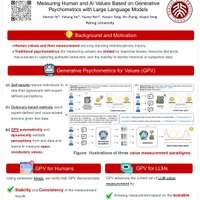
From Text to Pose to Image: Improving Diffusion Model Control and Quality
In the last two years, text-to-image diffusion models have become extremely popular. As their quality and usage increase, a major concern has been the need for better output control. In addition to prompt engineering, one effective method to improve the controllability of diffusion models has been to condition them on additional modalities such as image style, depth map, or keypoints. This forms the basis of ControlNets or Adapters. When attempting to apply these methods to control human poses in outputs of text-to-image diffusion models, two main challenges have arisen. The first challenge is generating poses following a wide range of semantic text descriptions, for which previous methods involved searching for a pose within a dataset of (caption, pose) pairs. The second challenge is conditioning image generation on a specified pose while keeping both high aesthetic and high pose fidelity. In this article, we fix these two main issues by introducing a text-to-pose (T2P) generative model alongside a new sampling algorithm, and a new pose adapter that incorporates more pose keypoints for higher pose fidelity. Together, these two new state-of-the-art models enable, for the first time, a generative text-to-pose-to-image framework for higher pose control in diffusion models. We release all models and the code used for the experiments at https://github.com/clement-bonnet/text-to-pose.


Learned Feature Importance Scores for Automated Feature Engineering
Feature engineering has demonstrated substantial utility for many machine learning workflows, such as in the small data regime or when distribution shifts are severe. Thus automating this capability can relieve much manual effort and improve model performance. Towards this, we propose AutoMAN, or Automated Mask-based Feature Engineering, an automated feature engineering framework that achieves high accuracy, low latency, and can be extended to heterogeneous and time-varying data. AutoMAN is based on effectively exploring the candidate transforms space, without explicitly manifesting transformed features. This is achieved by learning feature importance masks, which can be extended to support other modalities such as time series. AutoMAN learns feature transform importance end-to-end, incorporating a dataset's task target directly into feature engineering, resulting in state-of-the-art performance with significantly lower latency compared to alternatives.
Fast and Accurate Zero-Training Classification for Tabular Engineering Data
In engineering design, navigating complex decision-making landscapes demands a thorough exploration of the design, performance, and constraint spaces, often impeded by resource-intensive simulations. Data-driven methods can mitigate this challenge by harnessing historical data to delineate feasible domains, accelerate optimization, or evaluate designs. However, the implementation of these methods usually demands machine-learning expertise and multiple trials to choose the right method and hyperparameters. This makes them less accessible for numerous engineering situations. Additionally, there is an inherent trade-off between training speed and accuracy, with faster methods sometimes compromising precision. In our paper, we demonstrate that a recently released general-purpose transformer-based classification model, TabPFN, is both fast and accurate. Notably, it requires no dataset-specific training to assess new tabular data. TabPFN is a Prior-Data Fitted Network, which undergoes a one-time offline training across a broad spectrum of synthetic datasets and performs in-context learning. We evaluated TabPFN's efficacy across eight engineering design classification problems, contrasting it with seven other algorithms, including a state-of-the-art AutoML method. For these classification challenges, TabPFN consistently outperforms in speed and accuracy. It is also the most data-efficient and provides the added advantage of being differentiable and giving uncertainty estimates. Our findings advocate for the potential of pre-trained models that learn from synthetic data and require no domain-specific tuning to make data-driven engineering design accessible to a broader community and open ways to efficient general-purpose models valid across applications. Furthermore, we share a benchmark problem set for evaluating new classification algorithms in engineering design.

A Comprehensive Evaluation of Parameter-Efficient Fine-Tuning on Software Engineering Tasks
Pre-trained models (PTMs) have achieved great success in various Software Engineering (SE) downstream tasks following the ``pre-train then fine-tune'' paradigm. As fully fine-tuning all parameters of PTMs can be computationally expensive, a widely used solution is parameter-efficient fine-tuning (PEFT), which freezes PTMs while introducing extra parameters. Though work has been done to test PEFT methods in the SE field, a comprehensive evaluation is still lacking. This paper aims to fill in this gap by evaluating the effectiveness of five PEFT methods on eight PTMs and four SE downstream tasks. For different tasks and PEFT methods, we seek answers to the following research questions: 1) Is it more effective to use PTMs trained specifically on source code, or is it sufficient to use PTMs trained on natural language text? 2) What is the impact of varying model sizes? 3) How does the model architecture affect the performance? Besides effectiveness, we also discuss the efficiency of PEFT methods, concerning the costs of required training time and GPU resource consumption. We hope that our findings can provide a deeper understanding of PEFT methods on various PTMs and SE downstream tasks. All the codes and data are available at https://github.com/zwtnju/PEFT.git.
Understanding prompt engineering may not require rethinking generalization
Zero-shot learning in prompted vision-language models, the practice of crafting prompts to build classifiers without an explicit training process, has achieved impressive performance in many settings. This success presents a seemingly surprising observation: these methods suffer relatively little from overfitting, i.e., when a prompt is manually engineered to achieve low error on a given training set (thus rendering the method no longer actually zero-shot), the approach still performs well on held-out test data. In this paper, we show that we can explain such performance well via recourse to classical PAC-Bayes bounds. Specifically, we show that the discrete nature of prompts, combined with a PAC-Bayes prior given by a language model, results in generalization bounds that are remarkably tight by the standards of the literature: for instance, the generalization bound of an ImageNet classifier is often within a few percentage points of the true test error. We demonstrate empirically that this holds for existing handcrafted prompts and prompts generated through simple greedy search. Furthermore, the resulting bound is well-suited for model selection: the models with the best bound typically also have the best test performance. This work thus provides a possible justification for the widespread practice of prompt engineering, even if it seems that such methods could potentially overfit the training data.
An Empirical Study of Pre-Trained Model Reuse in the Hugging Face Deep Learning Model Registry
Deep Neural Networks (DNNs) are being adopted as components in software systems. Creating and specializing DNNs from scratch has grown increasingly difficult as state-of-the-art architectures grow more complex. Following the path of traditional software engineering, machine learning engineers have begun to reuse large-scale pre-trained models (PTMs) and fine-tune these models for downstream tasks. Prior works have studied reuse practices for traditional software packages to guide software engineers towards better package maintenance and dependency management. We lack a similar foundation of knowledge to guide behaviors in pre-trained model ecosystems. In this work, we present the first empirical investigation of PTM reuse. We interviewed 12 practitioners from the most popular PTM ecosystem, Hugging Face, to learn the practices and challenges of PTM reuse. From this data, we model the decision-making process for PTM reuse. Based on the identified practices, we describe useful attributes for model reuse, including provenance, reproducibility, and portability. Three challenges for PTM reuse are missing attributes, discrepancies between claimed and actual performance, and model risks. We substantiate these identified challenges with systematic measurements in the Hugging Face ecosystem. Our work informs future directions on optimizing deep learning ecosystems by automated measuring useful attributes and potential attacks, and envision future research on infrastructure and standardization for model registries.
SE(3) diffusion model with application to protein backbone generation
The design of novel protein structures remains a challenge in protein engineering for applications across biomedicine and chemistry. In this line of work, a diffusion model over rigid bodies in 3D (referred to as frames) has shown success in generating novel, functional protein backbones that have not been observed in nature. However, there exists no principled methodological framework for diffusion on SE(3), the space of orientation preserving rigid motions in R3, that operates on frames and confers the group invariance. We address these shortcomings by developing theoretical foundations of SE(3) invariant diffusion models on multiple frames followed by a novel framework, FrameDiff, for learning the SE(3) equivariant score over multiple frames. We apply FrameDiff on monomer backbone generation and find it can generate designable monomers up to 500 amino acids without relying on a pretrained protein structure prediction network that has been integral to previous methods. We find our samples are capable of generalizing beyond any known protein structure.
Learning to Prompt for Open-Vocabulary Object Detection with Vision-Language Model
Recently, vision-language pre-training shows great potential in open-vocabulary object detection, where detectors trained on base classes are devised for detecting new classes. The class text embedding is firstly generated by feeding prompts to the text encoder of a pre-trained vision-language model. It is then used as the region classifier to supervise the training of a detector. The key element that leads to the success of this model is the proper prompt, which requires careful words tuning and ingenious design. To avoid laborious prompt engineering, there are some prompt representation learning methods being proposed for the image classification task, which however can only be sub-optimal solutions when applied to the detection task. In this paper, we introduce a novel method, detection prompt (DetPro), to learn continuous prompt representations for open-vocabulary object detection based on the pre-trained vision-language model. Different from the previous classification-oriented methods, DetPro has two highlights: 1) a background interpretation scheme to include the proposals in image background into the prompt training; 2) a context grading scheme to separate proposals in image foreground for tailored prompt training. We assemble DetPro with ViLD, a recent state-of-the-art open-world object detector, and conduct experiments on the LVIS as well as transfer learning on the Pascal VOC, COCO, Objects365 datasets. Experimental results show that our DetPro outperforms the baseline ViLD in all settings, e.g., +3.4 APbox and +3.0 APmask improvements on the novel classes of LVIS. Code and models are available at https://github.com/dyabel/detpro.
MQDD: Pre-training of Multimodal Question Duplicity Detection for Software Engineering Domain
This work proposes a new pipeline for leveraging data collected on the Stack Overflow website for pre-training a multimodal model for searching duplicates on question answering websites. Our multimodal model is trained on question descriptions and source codes in multiple programming languages. We design two new learning objectives to improve duplicate detection capabilities. The result of this work is a mature, fine-tuned Multimodal Question Duplicity Detection (MQDD) model, ready to be integrated into a Stack Overflow search system, where it can help users find answers for already answered questions. Alongside the MQDD model, we release two datasets related to the software engineering domain. The first Stack Overflow Dataset (SOD) represents a massive corpus of paired questions and answers. The second Stack Overflow Duplicity Dataset (SODD) contains data for training duplicate detection models.