
Get trending papers in your email inbox once a day!
Get trending papers in your email inbox!
Subscribe


Cloud Native System for LLM Inference Serving
Large Language Models (LLMs) are revolutionizing numerous industries, but their substantial computational demands create challenges for efficient deployment, particularly in cloud environments. Traditional approaches to inference serving often struggle with resource inefficiencies, leading to high operational costs, latency issues, and limited scalability. This article explores how Cloud Native technologies, such as containerization, microservices, and dynamic scheduling, can fundamentally improve LLM inference serving. By leveraging these technologies, we demonstrate how a Cloud Native system enables more efficient resource allocation, reduces latency, and enhances throughput in high-demand scenarios. Through real-world evaluations using Kubernetes-based autoscaling, we show that Cloud Native architectures can dynamically adapt to workload fluctuations, mitigating performance bottlenecks while optimizing LLM inference serving performance. This discussion provides a broader perspective on how Cloud Native frameworks could reshape the future of scalable LLM inference serving, offering key insights for researchers, practitioners, and industry leaders in cloud computing and artificial intelligence.
AIBrix: Towards Scalable, Cost-Effective Large Language Model Inference Infrastructure
We introduce AIBrix, a cloud-native, open-source framework designed to optimize and simplify large-scale LLM deployment in cloud environments. Unlike traditional cloud-native stacks, AIBrix follows a co-design philosophy, ensuring every layer of the infrastructure is purpose-built for seamless integration with inference engines like vLLM. AIBrix introduces several key innovations to reduce inference costs and enhance performance including high-density LoRA management for dynamic adapter scheduling, LLM-specific autoscalers, and prefix-aware, load-aware routing. To further improve efficiency, AIBrix incorporates a distributed KV cache, boosting token reuse across nodes, leading to a 50% increase in throughput and a 70% reduction in inference latency. AIBrix also supports unified AI runtime which streamlines model management while maintaining vendor-agnostic engine compatibility. For large-scale multi-node inference, AIBrix employs hybrid orchestration -- leveraging Kubernetes for coarse-grained scheduling and Ray for fine-grained execution -- to balance efficiency and flexibility. Additionally, an SLO-driven GPU optimizer dynamically adjusts resource allocations, optimizing heterogeneous serving to maximize cost efficiency while maintaining service guarantees. Finally, AIBrix enhances system reliability with AI accelerator diagnostic tools, enabling automated failure detection and mock-up testing to improve fault resilience. AIBrix is available at https://github.com/vllm-project/aibrix.
MAI-UI Technical Report: Real-World Centric Foundation GUI Agents
The development of GUI agents could revolutionize the next generation of human-computer interaction. Motivated by this vision, we present MAI-UI, a family of foundation GUI agents spanning the full spectrum of sizes, including 2B, 8B, 32B, and 235B-A22B variants. We identify four key challenges to realistic deployment: the lack of native agent-user interaction, the limits of UI-only operation, the absence of a practical deployment architecture, and brittleness in dynamic environments. MAI-UI addresses these issues with a unified methodology: a self-evolving data pipeline that expands the navigation data to include user interaction and MCP tool calls, a native device-cloud collaboration system routes execution by task state, and an online RL framework with advanced optimizations to scale parallel environments and context length. MAI-UI establishes new state-of-the-art across GUI grounding and mobile navigation. On grounding benchmarks, it reaches 73.5% on ScreenSpot-Pro, 91.3% on MMBench GUI L2, 70.9% on OSWorld-G, and 49.2% on UI-Vision, surpassing Gemini-3-Pro and Seed1.8 on ScreenSpot-Pro. On mobile GUI navigation, it sets a new SOTA of 76.7% on AndroidWorld, surpassing UI-Tars-2, Gemini-2.5-Pro and Seed1.8. On MobileWorld, MAI-UI obtains 41.7% success rate, significantly outperforming end-to-end GUI models and competitive with Gemini-3-Pro based agentic frameworks. Our online RL experiments show significant gains from scaling parallel environments from 32 to 512 (+5.2 points) and increasing environment step budget from 15 to 50 (+4.3 points). Finally, the native device-cloud collaboration system improves on-device performance by 33%, reduces cloud model calls by over 40%, and preserves user privacy.

Intra-Query Runtime Elasticity for Cloud-Native Data Analysis
We propose the concept of Intra-Query Runtime Elasticity (IQRE) for cloud-native data analysis. IQRE enables a cloud-native OLAP engine to dynamically adjust a query's Degree of Parallelism (DOP) during execution. This capability allows users to utilize cloud computing resources more cost-effectively. We present Accordion, the first IQRE query engine. Accordion can adjust the parallelism of a query at any point during query execution without pausing data processing. It features a user-friendly interface and an auto-tuner backed by a "what-if" service to allow users to adjust the DOP according to their query latency constraints. The design of Accordion follows the execution model in Presto, an open-source distributed SQL query engine developed at Meta. We present the implementation of Accordion and demonstrate its ease of use, showcasing how it enables users to minimize compute resource consumption while meeting their query time constraints.
On-Device Language Models: A Comprehensive Review
The advent of large language models (LLMs) revolutionized natural language processing applications, and running LLMs on edge devices has become increasingly attractive for reasons including reduced latency, data localization, and personalized user experiences. This comprehensive review examines the challenges of deploying computationally expensive LLMs on resource-constrained devices and explores innovative solutions across multiple domains. The paper investigates the development of on-device language models, their efficient architectures, including parameter sharing and modular designs, as well as state-of-the-art compression techniques like quantization, pruning, and knowledge distillation. Hardware acceleration strategies and collaborative edge-cloud deployment approaches are analyzed, highlighting the intricate balance between performance and resource utilization. Case studies of on-device language models from major mobile manufacturers demonstrate real-world applications and potential benefits. The review also addresses critical aspects such as adaptive learning, multi-modal capabilities, and personalization. By identifying key research directions and open challenges, this paper provides a roadmap for future advancements in on-device language models, emphasizing the need for interdisciplinary efforts to realize the full potential of ubiquitous, intelligent computing while ensuring responsible and ethical deployment. For a comprehensive review of research work and educational resources on on-device large language models (LLMs), please visit https://github.com/NexaAI/Awesome-LLMs-on-device. To download and run on-device LLMs, visit https://www.nexaai.com/models.
Intelligent Load Balancing in Cloud Computer Systems
Cloud computing is an established technology allowing users to share resources on a large scale, never before seen in IT history. A cloud system connects multiple individual servers in order to process related tasks in several environments at the same time. Clouds are typically more cost-effective than single computers of comparable computing performance. The sheer physical size of the system itself means that thousands of machines may be involved. The focus of this research was to design a strategy to dynamically allocate tasks without overloading Cloud nodes which would result in system stability being maintained at minimum cost. This research has added the following new contributions to the state of knowledge: (i) a novel taxonomy and categorisation of three classes of schedulers, namely OS-level, Cluster and Big Data, which highlight their unique evolution and underline their different objectives; (ii) an abstract model of cloud resources utilisation is specified, including multiple types of resources and consideration of task migration costs; (iii) a virtual machine live migration was experimented with in order to create a formula which estimates the network traffic generated by this process; (iv) a high-fidelity Cloud workload simulator, based on a month-long workload traces from Google's computing cells, was created; (v) two possible approaches to resource management were proposed and examined in the practical part of the manuscript: the centralised metaheuristic load balancer and the decentralised agent-based system. The project involved extensive experiments run on the University of Westminster HPC cluster, and the promising results are presented together with detailed discussions and a conclusion.

CloudFormer: An Attention-based Performance Prediction for Public Clouds with Unknown Workload
Cloud platforms are increasingly relied upon to host diverse, resource-intensive workloads due to their scalability, flexibility, and cost-efficiency. In multi-tenant cloud environments, virtual machines are consolidated on shared physical servers to improve resource utilization. While virtualization guarantees resource partitioning for CPU, memory, and storage, it cannot ensure performance isolation. Competition for shared resources such as last-level cache, memory bandwidth, and network interfaces often leads to severe performance degradation. Existing management techniques, including VM scheduling and resource provisioning, require accurate performance prediction to mitigate interference. However, this remains challenging in public clouds due to the black-box nature of VMs and the highly dynamic nature of workloads. To address these limitations, we propose CloudFormer, a dual-branch Transformer-based model designed to predict VM performance degradation in black-box environments. CloudFormer jointly models temporal dynamics and system-level interactions, leveraging 206 system metrics at one-second resolution across both static and dynamic scenarios. This design enables the model to capture transient interference effects and adapt to varying workload conditions without scenario-specific tuning. Complementing the methodology, we provide a fine-grained dataset that significantly expands the temporal resolution and metric diversity compared to existing benchmarks. Experimental results demonstrate that CloudFormer consistently outperforms state-of-the-art baselines across multiple evaluation metrics, achieving robust generalization across diverse and previously unseen workloads. Notably, CloudFormer attains a mean absolute error (MAE) of just 7.8%, representing a substantial improvement in predictive accuracy and outperforming existing methods at least by 28%.
A Survey on Open-Source Edge Computing Simulators and Emulators: The Computing and Networking Convergence Perspective
Edge computing, with its low latency, dynamic scalability, and location awareness, along with the convergence of computing and communication paradigms, has been successfully applied in critical domains such as industrial IoT, smart healthcare, smart homes, and public safety. This paper provides a comprehensive survey of open-source edge computing simulators and emulators, presented in our GitHub repository (https://github.com/qijianpeng/awesome-edge-computing), emphasizing the convergence of computing and networking paradigms. By examining more than 40 tools, including CloudSim, NS-3, and others, we identify the strengths and limitations in simulating and emulating edge environments. This survey classifies these tools into three categories: packet-level, application-level, and emulators. Furthermore, we evaluate them across five dimensions, ranging from resource representation to resource utilization. The survey highlights the integration of different computing paradigms, packet processing capabilities, support for edge environments, user-defined metric interfaces, and scenario visualization. The findings aim to guide researchers in selecting appropriate tools for developing and validating advanced computing and networking technologies.
Serverless Cold Starts and Where to Find Them
This paper releases and analyzes a month-long trace of 85 billion user requests and 11.9 million cold starts from Huawei's serverless cloud platform. Our analysis spans workloads from five data centers. We focus on cold starts and provide a comprehensive examination of the underlying factors influencing the number and duration of cold starts. These factors include trigger types, request synchronicity, runtime languages, and function resource allocations. We investigate components of cold starts, including pod allocation time, code and dependency deployment time, and scheduling delays, and examine their relationships with runtime languages, trigger types, and resource allocation. We introduce pod utility ratio to measure the pod's useful lifetime relative to its cold start time, giving a more complete picture of cold starts, and see that some pods with long cold start times have longer useful lifetimes. Our findings reveal the complexity and multifaceted origins of the number, duration, and characteristics of cold starts, driven by differences in trigger types, runtime languages, and function resource allocations. For example, cold starts in Region 1 take up to 7 seconds, dominated by dependency deployment time and scheduling. In Region 2, cold starts take up to 3 seconds and are dominated by pod allocation time. Based on this, we identify opportunities to reduce the number and duration of cold starts using strategies for multi-region scheduling. Finally, we suggest directions for future research to address these challenges and enhance the performance of serverless cloud platforms. Our datasets and code are available here https://github.com/sir-lab/data-release

Serving Large Language Models on Huawei CloudMatrix384
The rapid evolution of large language models (LLMs), driven by growing parameter scales, adoption of mixture-of-experts (MoE) architectures, and expanding context lengths, imposes unprecedented demands on AI infrastructure. Traditional AI clusters face limitations in compute intensity, memory bandwidth, inter-chip communication, and latency, compounded by variable workloads and strict service-level objectives. Addressing these issues requires fundamentally redesigned hardware-software integration. This paper introduces Huawei CloudMatrix, a next-generation AI datacenter architecture, realized in the production-grade CloudMatrix384 supernode. It integrates 384 Ascend 910C NPUs and 192 Kunpeng CPUs interconnected via an ultra-high-bandwidth Unified Bus (UB) network, enabling direct all-to-all communication and dynamic pooling of resources. These features optimize performance for communication-intensive operations, such as large-scale MoE expert parallelism and distributed key-value cache access. To fully leverage CloudMatrix384, we propose CloudMatrix-Infer, an advanced LLM serving solution incorporating three core innovations: a peer-to-peer serving architecture that independently scales prefill, decode, and caching; a large-scale expert parallelism strategy supporting EP320 via efficient UB-based token dispatch; and hardware-aware optimizations including specialized operators, microbatch-based pipelining, and INT8 quantization. Evaluation with the DeepSeek-R1 model shows CloudMatrix-Infer achieves state-of-the-art efficiency: prefill throughput of 6,688 tokens/s per NPU and decode throughput of 1,943 tokens/s per NPU (<50 ms TPOT). It effectively balances throughput and latency, sustaining 538 tokens/s even under stringent 15 ms latency constraints, while INT8 quantization maintains model accuracy across benchmarks.
Security of Cloud FPGAs: A Survey
Integrating Field Programmable Gate Arrays (FPGAs) with cloud computing instances is a rapidly emerging trend on commercial cloud computing platforms such as Amazon Web Services (AWS), Huawei cloud, and Alibaba cloud. Cloud FPGAs allow cloud users to build hardware accelerators to speed up the computation in the cloud. However, since the cloud FPGA technology is still in its infancy, the security implications of this integration of FPGAs in the cloud are not clear. In this paper, we survey the emerging field of cloud FPGA security, providing a comprehensive overview of the security issues related to cloud FPGAs, and highlighting future challenges in this research area.

AGOCS -- Accurate Google Cloud Simulator Framework
This paper presents the Accurate Google Cloud Simulator (AGOCS) - a novel high-fidelity Cloud workload simulator based on parsing real workload traces, which can be conveniently used on a desktop machine for day-to-day research. Our simulation is based on real-world workload traces from a Google Cluster with 12.5K nodes, over a period of a calendar month. The framework is able to reveal very precise and detailed parameters of the executed jobs, tasks and nodes as well as to provide actual resource usage statistics. The system has been implemented in Scala language with focus on parallel execution and an easy-to-extend design concept. The paper presents the detailed structural framework for AGOCS and discusses our main design decisions, whilst also suggesting alternative and possibly performance enhancing future approaches. The framework is available via the Open Source GitHub repository.
Building Flexible, Scalable, and Machine Learning-ready Multimodal Oncology Datasets
The advancements in data acquisition, storage, and processing techniques have resulted in the rapid growth of heterogeneous medical data. Integrating radiological scans, histopathology images, and molecular information with clinical data is essential for developing a holistic understanding of the disease and optimizing treatment. The need for integrating data from multiple sources is further pronounced in complex diseases such as cancer for enabling precision medicine and personalized treatments. This work proposes Multimodal Integration of Oncology Data System (MINDS) - a flexible, scalable, and cost-effective metadata framework for efficiently fusing disparate data from public sources such as the Cancer Research Data Commons (CRDC) into an interconnected, patient-centric framework. MINDS offers an interface for exploring relationships across data types and building cohorts for developing large-scale multimodal machine learning models. By harmonizing multimodal data, MINDS aims to potentially empower researchers with greater analytical ability to uncover diagnostic and prognostic insights and enable evidence-based personalized care. MINDS tracks granular end-to-end data provenance, ensuring reproducibility and transparency. The cloud-native architecture of MINDS can handle exponential data growth in a secure, cost-optimized manner while ensuring substantial storage optimization, replication avoidance, and dynamic access capabilities. Auto-scaling, access controls, and other mechanisms guarantee pipelines' scalability and security. MINDS overcomes the limitations of existing biomedical data silos via an interoperable metadata-driven approach that represents a pivotal step toward the future of oncology data integration.


KubeIntellect: A Modular LLM-Orchestrated Agent Framework for End-to-End Kubernetes Management
Kubernetes has become the foundation of modern cloud-native infrastructure, yet its management remains complex and fragmented. Administrators must navigate a vast API surface, manage heterogeneous workloads, and coordinate tasks across disconnected tools - often requiring precise commands, YAML configuration, and contextual expertise. This paper presents KubeIntellect, a Large Language Model (LLM)-powered system for intelligent, end-to-end Kubernetes control. Unlike existing tools that focus on observability or static automation, KubeIntellect supports natural language interaction across the full spectrum of Kubernetes API operations, including read, write, delete, exec, access control, lifecycle, and advanced verbs. The system uses modular agents aligned with functional domains (e.g., logs, metrics, RBAC), orchestrated by a supervisor that interprets user queries, maintains workflow memory, invokes reusable tools, or synthesizes new ones via a secure Code Generator Agent. KubeIntellect integrates memory checkpoints, human-in-the-loop clarification, and dynamic task sequencing into a structured orchestration framework. Evaluation results show a 93% tool synthesis success rate and 100% reliability across 200 natural language queries, demonstrating the system's ability to operate efficiently under diverse workloads. An automated demo environment is provided on Azure, with additional support for local testing via kind. This work introduces a new class of interpretable, extensible, and LLM-driven systems for managing complex infrastructure.
Towards Robust and Efficient Cloud-Edge Elastic Model Adaptation via Selective Entropy Distillation
The conventional deep learning paradigm often involves training a deep model on a server and then deploying the model or its distilled ones to resource-limited edge devices. Usually, the models shall remain fixed once deployed (at least for some period) due to the potential high cost of model adaptation for both the server and edge sides. However, in many real-world scenarios, the test environments may change dynamically (known as distribution shifts), which often results in degraded performance. Thus, one has to adapt the edge models promptly to attain promising performance. Moreover, with the increasing data collected at the edge, this paradigm also fails to further adapt the cloud model for better performance. To address these, we encounter two primary challenges: 1) the edge model has limited computation power and may only support forward propagation; 2) the data transmission budget between cloud and edge devices is limited in latency-sensitive scenarios. In this paper, we establish a Cloud-Edge Elastic Model Adaptation (CEMA) paradigm in which the edge models only need to perform forward propagation and the edge models can be adapted online. In our CEMA, to reduce the communication burden, we devise two criteria to exclude unnecessary samples from uploading to the cloud, i.e., dynamic unreliable and low-informative sample exclusion. Based on the uploaded samples, we update and distribute the affine parameters of normalization layers by distilling from the stronger foundation model to the edge model with a sample replay strategy. Extensive experimental results on ImageNet-C and ImageNet-R verify the effectiveness of our CEMA.

Expert-as-a-Service: Towards Efficient, Scalable, and Robust Large-scale MoE Serving
Mixture-of-Experts (MoE) models challenge serving infrastructures with dynamic, sparse expert utilization, causing instability on conventional systems designed for dense architectures. We propose EaaS, a novel serving system to enable efficient, scalable, and robust MoE deployment. Our system disaggregates MoE modules into independent, stateless services. This design enables fine-grained resource scaling and provides inherent fault tolerance by decoupling compute units. The architecture is powered by a high-performance, CPU-free peer-to-peer communication library that ensures minimal overhead and high throughput. Experiments confirm EaaS's scalability and efficiency, achieving performance comparable to monolithic systems while providing robust fault tolerance and strong scalability. EaaS incurs less than a 2% throughput reduction under simulated hardware failures that would otherwise halt monolithic architectures. It further saves up to 37.5% of computing resources through dynamic fine-grained adaptation to serving traffic, demonstrating strong resilience for large-scale MoE deployment in production.


Tilus: A Virtual Machine for Arbitrary Low-Precision GPGPU Computation in LLM Serving
Serving Large Language Models (LLMs) is critical for AI-powered applications but demands substantial computational resources, particularly in memory bandwidth and computational throughput. Low-precision computation has emerged as a key technique to improve efficiency while reducing resource consumption. Existing approaches for generating low-precision kernels are limited to weight bit widths that are powers of two and suffer from suboptimal performance due to high-level GPU programming abstractions. These abstractions restrict critical optimizations, such as fine-grained register management and optimized memory access patterns, which are essential for efficient low-precision computations. In this paper, we introduce a virtual machine (VM) designed for General-Purpose GPU (GPGPU) computing, enabling support for low-precision data types with arbitrary bit widths while maintaining GPU programmability. The proposed VM features a thread-block-level programming model, a hierarchical memory space, a novel algebraic layout system, and extensive support for diverse low-precision data types. VM programs are compiled into highly efficient GPU programs with automatic vectorization and instruction selection. Extensive experiments demonstrate that our VM efficiently supports a full spectrum of low-precision data types, and outperforms state-of-the-art low-precision kernels on their supported types. Compared to existing compilers like Triton and Ladder, as well as hand-optimized kernels such as QuantLLM and Marlin, our VM achieves performance improvements of 1.75x, 2.61x, 1.29x and 1.03x, respectively.
A Meta-Heuristic Load Balancer for Cloud Computing Systems
This paper presents a strategy to allocate services on a Cloud system without overloading nodes and maintaining the system stability with minimum cost. We specify an abstract model of cloud resources utilization, including multiple types of resources as well as considerations for the service migration costs. A prototype meta-heuristic load balancer is demonstrated and experimental results are presented and discussed. We also propose a novel genetic algorithm, where population is seeded with the outputs of other meta-heuristic algorithms.
A Systemic IoT-Fog-Cloud Architecture for Big-Data Analytics and Cyber Security Systems: A Review of Fog Computing
Abstract--- With the rapid growth of the Internet of Things (IoT), current Cloud systems face various drawbacks such as lack of mobility support, location-awareness, geo-distribution, high latency, as well as cyber threats. Fog/Edge computing has been proposed for addressing some of the drawbacks, as it enables computing resources at the network's edges and it locally offers big-data analytics rather than transmitting them to the Cloud. The Fog is defined as a Cloud-like system having similar functions, including software-, platform- and infrastructure-as services. The deployment of Fog applications faces various security issues related to virtualisation, network monitoring, data protection and attack detection. This paper proposes a systemic IoT-Fog-Cloud architecture that clarifies the interactions between the three layers of IoT, Fog and Cloud for effectively implementing big-data analytics and cyber security applications. It also reviews security challenges, solutions and future research directions in the architecture.
A Survey of Distributed Ledger Technology for IoT Verticals
The Internet of Things (IoT) and Distributed ledger technology (DLT) have significantly changed our daily lives. Due to their distributed operational environment and naturally decentralized applications, the convergence of these two technologies indicates a more lavish arrangement for the future. This article develops a comprehensive survey to investigate and illustrate state-of-the-art DLT for various IoT use cases, from smart homes to autonomous vehicles and smart cities. We develop a novel framework for conducting a systematic and comprehensive review of DLT over IoT by extending the knowledge graph approach. With relevant insights from this review, we extract innovative and pragmatic techniques to DLT design that enable high-performance, sustainable, and highly scalable IoT systems. Our findings support designing an end-to-end IoT-native DLT architecture for the future that fully coordinates network-assisted functionalities.
Infinite-LLM: Efficient LLM Service for Long Context with DistAttention and Distributed KVCache
The rapid proliferation of Large Language Models (LLMs) has been a driving force in the growth of cloud-based LLM services, which are now integral to advancing AI applications. However, the dynamic auto-regressive nature of LLM service, along with the need to support exceptionally long context lengths, demands the flexible allocation and release of substantial resources. This presents considerable challenges in designing cloud-based LLM service systems, where inefficient management can lead to performance degradation or resource wastage. In response to these challenges, this work introduces DistAttention, a novel distributed attention algorithm that segments the KV Cache into smaller, manageable units, enabling distributed processing and storage of the attention module. Based on that, we propose DistKV-LLM, a distributed LLM serving system that dynamically manages KV Cache and effectively orchestrates all accessible GPU and CPU memories spanning across the data center. This ensures a high-performance LLM service on the cloud, adaptable to a broad range of context lengths. Validated in a cloud environment with 32 NVIDIA A100 GPUs in configurations from 2 to 32 instances, our system exhibited 1.03-2.4x end-to-end throughput improvements and supported context lengths 2-19x longer than current state-of-the-art LLM service systems, as evidenced by extensive testing across 18 datasets with context lengths up to 1,900K.


Adaptive Two-Stage Cloud Resource Scaling via Hierarchical Multi-Indicator Forecasting and Bayesian Decision-Making
The surging demand for cloud computing resources, driven by the rapid growth of sophisticated large-scale models and data centers, underscores the critical importance of efficient and adaptive resource allocation. As major tech enterprises deploy massive infrastructures with thousands of GPUs, existing cloud platforms still struggle with low resource utilization due to key challenges: capturing hierarchical indicator structures, modeling non-Gaussian distributions, and decision-making under uncertainty. To address these challenges, we propose HRAMONY, an adaptive Hierarchical Attention-based Resource Modeling and Decision-Making System. HARMONY combines hierarchical multi-indicator distribution forecasting and uncertainty-aware Bayesian decision-making. It introduces a novel hierarchical attention mechanism that comprehensively models complex inter-indicator dependencies, enabling accurate predictions that can adapt to evolving environment states. By transforming Gaussian projections into adaptive non-Gaussian distributions via Normalizing Flows. Crucially, HARMONY leverages the full predictive distributions in an adaptive Bayesian process, proactively incorporating uncertainties to optimize resource allocation while robustly meeting SLA constraints under varying conditions. Extensive evaluations across four large-scale cloud datasets demonstrate HARMONY's state-of-the-art performance, significantly outperforming nine established methods. A month-long real-world deployment validated HARMONY's substantial practical impact, realizing over 35,000 GPU hours in savings and translating to $100K+ in cost reduction, showcasing its remarkable economic value through adaptive, uncertainty-aware scaling. Our code is available at https://github.com/Floating-LY/HARMONY1.
Security and Privacy Issues in Cloud Computing
Cloud computing transforms the way information technology (IT) is consumed and managed, promising improved cost efficiencies, accelerated innovation, faster time-to-market, and the ability to scale applications on demand (Leighton, 2009). According to Gartner, while the hype grew exponentially during 2008 and continued since, it is clear that there is a major shift towards the cloud computing model and that the benefits may be substantial (Gartner Hype-Cycle, 2012). However, as the shape of the cloud computing is emerging and developing rapidly both conceptually and in reality, the legal/contractual, economic, service quality, interoperability, security and privacy issues still pose significant challenges. In this chapter, we describe various service and deployment models of cloud computing and identify major challenges. In particular, we discuss three critical challenges: regulatory, security and privacy issues in cloud computing. Some solutions to mitigate these challenges are also proposed along with a brief presentation on the future trends in cloud computing deployment.

LLM-Mesh: Enabling Elastic Sharing for Serverless LLM Inference
The rise of LLMs has driven demand for private serverless deployments, characterized by moderate-scale models and infrequent requests. While existing solutions follow exclusive GPU deployment, we take a step back to explore modern platforms and find that: Emerging CPU architectures with built-in accelerators are capable of serving LLMs but remain underutilized, and both CPUs and GPUs can accommodate multiple LLMs simultaneously. We propose LLM-Mesh, a serverless inference scheme for small-to-mid-sized LLMs that enables elastic sharing across heterogeneous hardware. LLM-Mesh tackles three fundamental challenges: (1) precise, fine-grained compute resource allocation at token-level to handle fluctuating computational demands; (2) a coordinated and forward-looking memory scaling mechanism to detect out-of-memory hazards and reduce operational overhead; and (3) a dual approach that reduces resource fragmentation through proactive preemption and reactive bin-packing. Experimental results on 4 32-core CPUs and 4 A100 GPUs show that LLM-Meshimproves service capacity by 44% - 63% through sharing, while further leveraging CPUs boosts this to 91% - 159%.
TPM-Based Continuous Remote Attestation and Integrity Verification for 5G VNFs on Kubernetes
In the rapidly evolving landscape of 5G technology, the adoption of cloud-based infrastructure for the deployment of 5G services has become increasingly common. Using a service-based architecture, critical 5G components, such as the Access and Mobility Management Function (AMF), Session Management Function (SMF), and User Plane Function (UPF), now run as containerized pods on Kubernetes clusters. Although this approach improves scalability, flexibility, and resilience, it also introduces new security challenges, particularly to ensure the integrity and trustworthiness of these components. Current 5G security specifications (for example, 3GPP TS 33.501) focus on communication security and assume that network functions remain trustworthy after authentication, consequently lacking mechanisms to continuously validate the integrity of NVFs at runtime. To close this gap, and to align with Zero Trust principles of 'never trust, always verify', we present a TPM 2.0-based continuous remote attestation solution for core 5G components deployed on Kubernetes. Our approach uses the Linux Integrity Measurement Architecture (IMA) and a Trusted Platform Module (TPM) to provide hardware-based runtime validation. We integrate the open-source Keylime framework with a custom IMA template that isolates pod-level measurements, allowing per-pod integrity verification. A prototype on a k3s cluster (consisting of 1 master, 2 worker nodes) was implemented to attest to core functions, including AMF, SMF and UPF. The experimental results show that the system detects unauthorized modifications in real time, labels each pod's trust state, and generates detailed audit logs. This work provides hardware-based continuous attestation for cloud native and edge deployments, strengthening the resilience of 5G as critical infrastructure in multi-vendor and mission-critical scenarios of 5G.
Governed By Agents: A Survey On The Role Of Agentic AI In Future Computing Environments
The emergence of agentic Artificial Intelligence (AI), which can operate autonomously, demonstrate goal-directed behavior, and adaptively learn, indicates the onset of a massive change in today's computing infrastructure. This study investigates how agentic AI models' multiple characteristics may impact the architecture, governance, and operation under which computing environments function. Agentic AI has the potential to reduce reliance on extremely large (public) cloud environments due to resource efficiency, especially with processing and/or storage. The aforementioned characteristics provide us with an opportunity to canvas the likelihood of strategic migration in computing infrastructures away from massive public cloud services, towards more locally distributed architectures: edge computing and on-premises computing infrastructures. Many of these likely migrations will be spurred by factors like on-premises processing needs, diminished data consumption footprints, and cost savings. This study examines how a solution for implementing AI's autonomy could result in a re-architecture of the systems and model a departure from today's governance models to help us manage these increasingly autonomous agents, and an operational overhaul of processes over a very diverse computing systems landscape that bring together computing via cloud, edge, and on-premises computing solutions. To enable us to explore these intertwined decisions, it will be fundamentally important to understand how to best position agentic AI, and to navigate the future state of computing infrastructures.
Fine-Tuning Small Language Models for Domain-Specific AI: An Edge AI Perspective
Deploying large scale language models on edge devices faces inherent challenges such as high computational demands, energy consumption, and potential data privacy risks. This paper introduces the Shakti Small Language Models (SLMs) Shakti-100M, Shakti-250M, and Shakti-500M which target these constraints headon. By combining efficient architectures, quantization techniques, and responsible AI principles, the Shakti series enables on-device intelligence for smartphones, smart appliances, IoT systems, and beyond. We provide comprehensive insights into their design philosophy, training pipelines, and benchmark performance on both general tasks (e.g., MMLU, Hellaswag) and specialized domains (healthcare, finance, and legal). Our findings illustrate that compact models, when carefully engineered and fine-tuned, can meet and often exceed expectations in real-world edge-AI scenarios.




SmallThinker: A Family of Efficient Large Language Models Natively Trained for Local Deployment
While frontier large language models (LLMs) continue to push capability boundaries, their deployment remains confined to GPU-powered cloud infrastructure. We challenge this paradigm with SmallThinker, a family of LLMs natively designed - not adapted - for the unique constraints of local devices: weak computational power, limited memory, and slow storage. Unlike traditional approaches that mainly compress existing models built for clouds, we architect SmallThinker from the ground up to thrive within these limitations. Our innovation lies in a deployment-aware architecture that transforms constraints into design principles. First, We introduce a two-level sparse structure combining fine-grained Mixture-of-Experts (MoE) with sparse feed-forward networks, drastically reducing computational demands without sacrificing model capacity. Second, to conquer the I/O bottleneck of slow storage, we design a pre-attention router that enables our co-designed inference engine to prefetch expert parameters from storage while computing attention, effectively hiding storage latency that would otherwise cripple on-device inference. Third, for memory efficiency, we utilize NoPE-RoPE hybrid sparse attention mechanism to slash KV cache requirements. We release SmallThinker-4B-A0.6B and SmallThinker-21B-A3B, which achieve state-of-the-art performance scores and even outperform larger LLMs. Remarkably, our co-designed system mostly eliminates the need for expensive GPU hardware: with Q4_0 quantization, both models exceed 20 tokens/s on ordinary consumer CPUs, while consuming only 1GB and 8GB of memory respectively. SmallThinker is publicly available at hf.co/PowerInfer/SmallThinker-4BA0.6B-Instruct and hf.co/PowerInfer/SmallThinker-21BA3B-Instruct.



Split Computing and Early Exiting for Deep Learning Applications: Survey and Research Challenges
Mobile devices such as smartphones and autonomous vehicles increasingly rely on deep neural networks (DNNs) to execute complex inference tasks such as image classification and speech recognition, among others. However, continuously executing the entire DNN on mobile devices can quickly deplete their battery. Although task offloading to cloud/edge servers may decrease the mobile device's computational burden, erratic patterns in channel quality, network, and edge server load can lead to a significant delay in task execution. Recently, approaches based on split computing (SC) have been proposed, where the DNN is split into a head and a tail model, executed respectively on the mobile device and on the edge server. Ultimately, this may reduce bandwidth usage as well as energy consumption. Another approach, called early exiting (EE), trains models to embed multiple "exits" earlier in the architecture, each providing increasingly higher target accuracy. Therefore, the trade-off between accuracy and delay can be tuned according to the current conditions or application demands. In this paper, we provide a comprehensive survey of the state of the art in SC and EE strategies by presenting a comparison of the most relevant approaches. We conclude the paper by providing a set of compelling research challenges.

Detection of Compromised Functions in a Serverless Cloud Environment
Serverless computing is an emerging cloud paradigm with serverless functions at its core. While serverless environments enable software developers to focus on developing applications without the need to actively manage the underlying runtime infrastructure, they open the door to a wide variety of security threats that can be challenging to mitigate with existing methods. Existing security solutions do not apply to all serverless architectures, since they require significant modifications to the serverless infrastructure or rely on third-party services for the collection of more detailed data. In this paper, we present an extendable serverless security threat detection model that leverages cloud providers' native monitoring tools to detect anomalous behavior in serverless applications. Our model aims to detect compromised serverless functions by identifying post-exploitation abnormal behavior related to different types of attacks on serverless functions, and therefore, it is a last line of defense. Our approach is not tied to any specific serverless application, is agnostic to the type of threats, and is adaptable through model adjustments. To evaluate our model's performance, we developed a serverless cybersecurity testbed in an AWS cloud environment, which includes two different serverless applications and simulates a variety of attack scenarios that cover the main security threats faced by serverless functions. Our evaluation demonstrates our model's ability to detect all implemented attacks while maintaining a negligible false alarm rate.
LEONARDO: A Pan-European Pre-Exascale Supercomputer for HPC and AI Applications
A new pre-exascale computer cluster has been designed to foster scientific progress and competitive innovation across European research systems, it is called LEONARDO. This paper describes the general architecture of the system and focuses on the technologies adopted for its GPU-accelerated partition. High density processing elements, fast data movement capabilities and mature software stack collections allow the machine to run intensive workloads in a flexible and scalable way. Scientific applications from traditional High Performance Computing (HPC) as well as emerging Artificial Intelligence (AI) domains can benefit from this large apparatus in terms of time and energy to solution.
Leveraging Cloud-Fog Automation for Autonomous Collision Detection and Classification in Intelligent Unmanned Surface Vehicles
Industrial Cyber-Physical Systems (ICPS) technologies are foundational in driving maritime autonomy, particularly for Unmanned Surface Vehicles (USVs). However, onboard computational constraints and communication latency significantly restrict real-time data processing, analysis, and predictive modeling, hence limiting the scalability and responsiveness of maritime ICPS. To overcome these challenges, we propose a distributed Cloud-Edge-IoT architecture tailored for maritime ICPS by leveraging design principles from the recently proposed Cloud-Fog Automation paradigm. Our proposed architecture comprises three hierarchical layers: a Cloud Layer for centralized and decentralized data aggregation, advanced analytics, and future model refinement; an Edge Layer that executes localized AI-driven processing and decision-making; and an IoT Layer responsible for low-latency sensor data acquisition. Our experimental results demonstrated improvements in computational efficiency, responsiveness, and scalability. When compared with our conventional approaches, we achieved a classification accuracy of 86\%, with an improved latency performance. By adopting Cloud-Fog Automation, we address the low-latency processing constraints and scalability challenges in maritime ICPS applications. Our work offers a practical, modular, and scalable framework to advance robust autonomy and AI-driven decision-making and autonomy for intelligent USVs in future maritime ICPS.
Taming the Titans: A Survey of Efficient LLM Inference Serving
Large Language Models (LLMs) for Generative AI have achieved remarkable progress, evolving into sophisticated and versatile tools widely adopted across various domains and applications. However, the substantial memory overhead caused by their vast number of parameters, combined with the high computational demands of the attention mechanism, poses significant challenges in achieving low latency and high throughput for LLM inference services. Recent advancements, driven by groundbreaking research, have significantly accelerated progress in this field. This paper provides a comprehensive survey of these methods, covering fundamental instance-level approaches, in-depth cluster-level strategies, emerging scenario directions, and other miscellaneous but important areas. At the instance level, we review model placement, request scheduling, decoding length prediction, storage management, and the disaggregation paradigm. At the cluster level, we explore GPU cluster deployment, multi-instance load balancing, and cloud service solutions. For emerging scenarios, we organize the discussion around specific tasks, modules, and auxiliary methods. To ensure a holistic overview, we also highlight several niche yet critical areas. Finally, we outline potential research directions to further advance the field of LLM inference serving.




Minions: Cost-efficient Collaboration Between On-device and Cloud Language Models
We investigate an emerging setup in which a small, on-device language model (LM) with access to local data communicates with a frontier, cloud-hosted LM to solve real-world tasks involving financial, medical, and scientific reasoning over long documents. Can a local-remote collaboration reduce cloud inference costs while preserving quality? First, we consider a naive collaboration protocol where the local and remote models simply chat back and forth. Because only the local model reads the full context, this protocol achieves a 30.4x reduction in remote costs, but recovers only 87% of the performance of the frontier model. We identify two key limitations of this protocol: the local model struggles to (1) follow the remote model's multi-step instructions and (2) reason over long contexts. Motivated by these observations, we study an extension of this protocol, coined MinionS, in which the remote model decomposes the task into easier subtasks over shorter chunks of the document, that are executed locally in parallel. MinionS reduces costs by 5.7x on average while recovering 97.9% of the performance of the remote model alone. Our analysis reveals several key design choices that influence the trade-off between cost and performance in local-remote systems.
Closing the Performance Gap with Modern C++
On the way to Exascale, programmers face the increasing challenge of having to support multiple hardware architectures from the same code base. At the same time, portability of code and performance are increasingly difficult to achieve as hardware architectures are becoming more and more diverse. Today's heterogeneous systems often include two or more completely distinct and incompatible hardware execution models, such as GPGPU's, SIMD vector units, and general purpose cores which conventionally have to be programmed using separate tool chains representing non-overlapping programming models. The recent revival of interest in the industry and the wider community for the C++ language has spurred a remarkable amount of standardization proposals and technical specifications in the arena of concurrency and parallelism. This recently includes an increasing amount of discussion around the need for a uniform, higher-level abstraction and programming model for parallelism in the C++ standard targeting heterogeneous and distributed computing. Such an abstraction should perfectly blend with existing, already standardized language and library features, but should also be generic enough to support future hardware developments. In this paper, we present the results from developing such a higher-level programming abstraction for parallelism in C++ which aims at enabling code and performance portability over a wide range of architectures and for various types of parallelism. We present and compare performance data obtained from running the well-known STREAM benchmark ported to our higher level C++ abstraction with the corresponding results from running it natively. We show that our abstractions enable performance at least as good as the comparable base-line benchmarks while providing a uniform programming API on all compared target architectures.
PRIMA.CPP: Speeding Up 70B-Scale LLM Inference on Low-Resource Everyday Home Clusters
Emergency of DeepSeek R1 and QwQ 32B have broken through performance barriers for running frontier large language models (LLMs) on home devices. While consumer hardware is getting stronger and model quantization is improving, existing end-side solutions still demand GPU clusters, large RAM/VRAM, and high bandwidth, far beyond what a common home cluster can handle. This paper introduces prima.cpp, a distributed inference system that runs 70B-scale models on everyday home devices using a mix of CPU/GPU, low RAM/VRAM, Wi-Fi, and cross-platform support. It uses mmap to manage model weights and introduces piped-ring parallelism with prefetching to hide disk loading. By modeling heterogeneity in computation, communication, disk, memory (and its management behavior), and OS, it optimally assigns model layers to each device's CPU and GPU, further reducing token latency. An elegant algorithm named Halda is proposed to solve this NP-hard assignment problem. We evaluate prima.cpp on a common four-node home cluster. It outperforms llama.cpp, exo, and dllama on 30B+ models while keeping memory pressure below 6%. This brings frontier 30B-70B models, such as Llama 3, DeepSeek R1, Qwen 2.5, and QwQ to home assistants, making advanced AI truly accessible to individuals. The code is open source and available at https://github.com/Lizonghang/prima.cpp.



ElasticMoE: An Efficient Auto Scaling Method for Mixture-of-Experts Models
Mixture-of-Experts (MoE) models promise efficient scaling of large language models (LLMs) by activating only a small subset of experts per token, but their parallelized inference pipelines make elastic serving challenging. Existing strategies fall short: horizontal scaling provisions entire replicas of the current configuration, often tens to hundreds of accelerators, leading to coarse granularity, long provisioning delays, and costly overprovisioning. Vertical scaling offers finer adjustments but typically requires instance restarts, incurring downtime. These limitations make current approaches ill-suited for the bursty, short-lived traffic patterns common in cloud deployments. We present ElasticMoE, an elastic scaling framework for MoE LLMs that achieves fine-grained, low-latency, and zero-downtime scaling. ElasticMoE decouples inference execution from memory operations, enabling scaling steps to proceed concurrently with serving. An HBM Management Module (HMM) reuses weights and KV caches via zero-copy remapping, while high-bandwidth peer-to-peer transfers bring newly added accelerators online without interrupting service. A virtual memory based expert redistribution mechanism migrates MoE experts without costly buffer reallocations, reducing peak memory usage during expert parallelism reconfiguration. Our evaluation on Ascend NPUs with three popular MoE LLMs shows that ElasticMoE achieves up to 9x lower scale-up latency, up to 2x better throughput during scaling, and significantly improves SLO attainment compared to baselines. By enabling fine-grained, concurrent scaling with minimal disruption, ElasticMoE advances the practicality of deploying massive MoE LLMs in dynamic cloud environments.

Building AI Agents for Autonomous Clouds: Challenges and Design Principles
The rapid growth in the use of Large Language Models (LLMs) and AI Agents as part of software development and deployment is revolutionizing the information technology landscape. While code generation receives significant attention, a higher-impact application lies in using AI agents for operational resilience of cloud services, which currently require significant human effort and domain knowledge. There is a growing interest in AI for IT Operations (AIOps) which aims to automate complex operational tasks, like fault localization and root cause analysis, thereby reducing human intervention and customer impact. However, achieving the vision of autonomous and self-healing clouds though AIOps is hampered by the lack of standardized frameworks for building, evaluating, and improving AIOps agents. This vision paper lays the groundwork for such a framework by first framing the requirements and then discussing design decisions that satisfy them. We also propose AIOpsLab, a prototype implementation leveraging agent-cloud-interface that orchestrates an application, injects real-time faults using chaos engineering, and interfaces with an agent to localize and resolve the faults. We report promising results and lay the groundwork to build a modular and robust framework for building, evaluating, and improving agents for autonomous clouds.

CFTel: A Practical Architecture for Robust and Scalable Telerobotics with Cloud-Fog Automation
Telerobotics is a key foundation in autonomous Industrial Cyber-Physical Systems (ICPS), enabling remote operations across various domains. However, conventional cloud-based telerobotics suffers from latency, reliability, scalability, and resilience issues, hindering real-time performance in critical applications. Cloud-Fog Telerobotics (CFTel) builds on the Cloud-Fog Automation (CFA) paradigm to address these limitations by leveraging a distributed Cloud-Edge-Robotics computing architecture, enabling deterministic connectivity, deterministic connected intelligence, and deterministic networked computing. This paper synthesizes recent advancements in CFTel, aiming to highlight its role in facilitating scalable, low-latency, autonomous, and AI-driven telerobotics. We analyze architectural frameworks and technologies that enable them, including 5G Ultra-Reliable Low-Latency Communication, Edge Intelligence, Embodied AI, and Digital Twins. The study demonstrates that CFTel has the potential to enhance real-time control, scalability, and autonomy while supporting service-oriented solutions. We also discuss practical challenges, including latency constraints, cybersecurity risks, interoperability issues, and standardization efforts. This work serves as a foundational reference for researchers, stakeholders, and industry practitioners in future telerobotics research.
Holmes: Towards Distributed Training Across Clusters with Heterogeneous NIC Environment
Large language models (LLMs) such as GPT-3, OPT, and LLaMA have demonstrated remarkable accuracy in a wide range of tasks. However, training these models can incur significant expenses, often requiring tens of thousands of GPUs for months of continuous operation. Typically, this training is carried out in specialized GPU clusters equipped with homogeneous high-speed Remote Direct Memory Access (RDMA) network interface cards (NICs). The acquisition and maintenance of such dedicated clusters is challenging. Current LLM training frameworks, like Megatron-LM and Megatron-DeepSpeed, focus primarily on optimizing training within homogeneous cluster settings. In this paper, we introduce Holmes, a training framework for LLMs that employs thoughtfully crafted data and model parallelism strategies over the heterogeneous NIC environment. Our primary technical contribution lies in a novel scheduling method that intelligently allocates distinct computational tasklets in LLM training to specific groups of GPU devices based on the characteristics of their connected NICs. Furthermore, our proposed framework, utilizing pipeline parallel techniques, demonstrates scalability to multiple GPU clusters, even in scenarios without high-speed interconnects between nodes in distinct clusters. We conducted comprehensive experiments that involved various scenarios in the heterogeneous NIC environment. In most cases, our framework achieves performance levels close to those achievable with homogeneous RDMA-capable networks (InfiniBand or RoCE), significantly exceeding training efficiency within the pure Ethernet environment. Additionally, we verified that our framework outperforms other mainstream LLM frameworks under heterogeneous NIC environment in terms of training efficiency and can be seamlessly integrated with them.
Fire-Flyer AI-HPC: A Cost-Effective Software-Hardware Co-Design for Deep Learning
The rapid progress in Deep Learning (DL) and Large Language Models (LLMs) has exponentially increased demands of computational power and bandwidth. This, combined with the high costs of faster computing chips and interconnects, has significantly inflated High Performance Computing (HPC) construction costs. To address these challenges, we introduce the Fire-Flyer AI-HPC architecture, a synergistic hardware-software co-design framework and its best practices. For DL training, we deployed the Fire-Flyer 2 with 10,000 PCIe A100 GPUs, achieved performance approximating the DGX-A100 while reducing costs by half and energy consumption by 40%. We specifically engineered HFReduce to accelerate allreduce communication and implemented numerous measures to keep our Computation-Storage Integrated Network congestion-free. Through our software stack, including HaiScale, 3FS, and HAI-Platform, we achieved substantial scalability by overlapping computation and communication. Our system-oriented experience from DL training provides valuable insights to drive future advancements in AI-HPC.

Modeling Performance of Data Collection Systems for High-Energy Physics
Exponential increases in scientific experimental data are outstripping the rate of progress in silicon technology. As a result, heterogeneous combinations of architectures and process or device technologies are increasingly important to meet the computing demands of future scientific experiments. However, the complexity of heterogeneous computing systems requires systematic modeling to understand performance. We present a model which addresses this need by framing key aspects of data collection pipelines and constraints, and combines them with the important vectors of technology that shape alternatives, computing metrics that allow complex alternatives to be compared. For instance, a data collection pipeline may be characterized by parameters such as sensor sampling rates, amount of data collected, and the overall relevancy of retrieved samples. Alternatives to this pipeline are enabled by hardware development vectors including advancing CMOS, GPUs, neuromorphic computing, and edge computing. By calculating metrics for each alternative such as overall F1 score, power, hardware cost, and energy expended per relevant sample, this model allows alternate data collection systems to be rigorously compared. To demonstrate this model's capability, we apply it to the CMS experiment (and planned HL-LHC upgrade) to evaluate and compare the application of novel technologies in the data acquisition system (DAQ). We demonstrate that improvements to early stages in the DAQ are highly beneficial, greatly reducing the resources required at later stages of processing (such as a 60% power reduction) and increasing the amount of relevant data retrieved from the experiment per unit power (improving from 0.065 to 0.31 samples/kJ) However, we predict further advances will be required in order to meet overall power and cost constraints for the DAQ.
LLM and Infrastructure as a Code use case
Cloud computing and the evolution of management methodologies such as Lean Management or Agile entail a profound transformation in both system construction and maintenance approaches. These practices are encompassed within the term "DevOps." This descriptive approach to an information system or application, alongside the configuration of its constituent components, has necessitated the development of descriptive languages paired with specialized engines for automating systems administration tasks. Among these, the tandem of Ansible (engine) and YAML (descriptive language) stands out as the two most prevalent tools in the market, facing notable competition mainly from Terraform. The current document presents an inquiry into a solution for generating and managing Ansible YAML roles and playbooks, utilizing Generative LLMs (Language Models) to translate human descriptions into code. Our efforts are focused on identifying plausible directions and outlining the potential industrial applications. Note: For the purpose of this experiment, we have opted against the use of Ansible Lightspeed. This is due to its reliance on an IBM Watson model, for which we have not found any publicly available references. Comprehensive information regarding this remarkable technology can be found [1] directly on our partner's website, RedHat.
NanoFlow: Towards Optimal Large Language Model Serving Throughput
The increasing usage of Large Language Models (LLMs) has resulted in a surging demand for planet-scale serving systems, where tens of thousands of GPUs continuously serve hundreds of millions of users. Consequently, throughput (under reasonable latency constraints) has emerged as a key metric that determines serving systems' performance. To boost throughput, various methods of inter-device parallelism (e.g., data, tensor, pipeline) have been explored. However, existing methods do not consider overlapping the utilization of different resources within a single device, leading to underutilization and sub-optimal performance. We propose NanoFlow, a novel serving framework that exploits intra-device parallelism, which overlaps the usage of resources including compute, memory, and network within a single device through operation co-scheduling. To exploit intra-device parallelism, NanoFlow introduces two key innovations: First, NanoFlow splits requests into nano-batches at the granularity of operations, which breaks the dependency of sequential operations in LLM inference and enables overlapping; then, to get benefit from overlapping, NanoFlow uses an operation-level pipeline with execution unit scheduling, which partitions the device's functional units and simultaneously executes different operations in each unit. NanoFlow automates the pipeline setup using a parameter search algorithm, which enables easily porting NanoFlow to different models. We implement NanoFlow on NVIDIA GPUs and evaluate end-to-end serving throughput on several popular models such as LLaMA-2-70B, Mixtral 8x7B, LLaMA-3-8B, etc.. With practical workloads, NanoFlow provides 1.91x throughput boost compared to state-of-the-art serving systems achieving 59% to 72% of optimal throughput across ported models.


DeepFlow: Serverless Large Language Model Serving at Scale
This paper introduces DeepFlow, a scalable and serverless AI platform designed to efficiently serve large language models (LLMs) at scale in cloud environments. DeepFlow addresses key challenges such as resource allocation, serving efficiency, and cold start latencies through four main design components. First, it uses a simple serverless abstraction called the request-job-task model, which helps manage AI workloads across post-training and model serving tasks. Second, it builds an in-house serving engine FlowServe using a microkernel-inspired design, NPU-centric execution, and SPMD-based parallelism to optimize LLM serving. The system also includes novel scheduling policies tailored for both PD-disaggregated and PD-colocated configurations. With optimizations like pre-warmed pods, DRAM pre-loading, and NPU-fork, DeepFlow can scale up to 64 instances in seconds. DeepFlow has been in production for over a year, operating on a large Ascend NPU cluster and providing industrystandard APIs for fine-tuning, agent serving, and model serving to our customers.
CE-CoLLM: Efficient and Adaptive Large Language Models Through Cloud-Edge Collaboration
Large Language Models (LLMs) have achieved remarkable success in serving end-users with human-like intelligence. However, LLMs demand high computational resources, making it challenging to deploy them to satisfy various performance objectives, such as meeting the resource constraints on edge devices close to end-users or achieving high accuracy with ample resources. In this paper, we introduce CE-CoLLM, a novel cloud-edge collaboration framework that supports efficient and adaptive LLM inference for end-users at the edge with two modes, (1) low-latency edge standalone inference and (2) highly accurate cloud-edge collaborative inference. First, we show that the inherent high communication costs for transmitting LLM contextual information between the edge and cloud dominate the overall latency, making it inefficient and costly to deploy LLMs using cloud-edge collaboration. Second, we propose several critical techniques to address this challenge, including early-exit mechanism, cloud context manager, and quantization in cloud-edge collaboration to enable not only low-latency standalone edge inference but also efficient and adaptive cloud-edge collaborative inference for LLMs. Third, we perform comprehensive experimental analysis, which demonstrates that CE-CoLLM significantly reduces inference time by up to 13.81% and cloud computation costs by up to 84.55% compared to the popular cloud-based LLM deployment, while maintaining comparable model accuracy. The proposed approach effectively shifts the computational load to the edge, reduces the communication overhead, scales efficiently with multiple edge clients, and provides reliable LLM deployment using cloud-edge collaboration.
AndesVL Technical Report: An Efficient Mobile-side Multimodal Large Language Model
In recent years, while cloud-based MLLMs such as QwenVL, InternVL, GPT-4o, Gemini, and Claude Sonnet have demonstrated outstanding performance with enormous model sizes reaching hundreds of billions of parameters, they significantly surpass the limitations in memory, power consumption, and computing capacity of edge devices such as mobile phones. This paper introduces AndesVL, a suite of mobile-side MLLMs with 0.6B to 4B parameters based on Qwen3's LLM and various visual encoders. We comprehensively outline the model architectures, training pipeline, and training data of AndesVL, which achieves first-tier performance across a wide range of open-source benchmarks, including fields such as text-rich image understanding, reasoning and math, multi-image comprehension, general VQA, hallucination mitigation, multilingual understanding, and GUI-related tasks when compared with state-of-the-art models of a similar scale. Furthermore, we introduce a 1+N LoR

AI Flow: Perspectives, Scenarios, and Approaches
Pioneered by the foundational information theory by Claude Shannon and the visionary framework of machine intelligence by Alan Turing, the convergent evolution of information and communication technologies (IT/CT) has created an unbroken wave of connectivity and computation. This synergy has sparked a technological revolution, now reaching its peak with large artificial intelligence (AI) models that are reshaping industries and redefining human-machine collaboration. However, the realization of ubiquitous intelligence faces considerable challenges due to substantial resource consumption in large models and high communication bandwidth demands. To address these challenges, AI Flow has been introduced as a multidisciplinary framework that integrates cutting-edge IT and CT advancements, with a particular emphasis on the following three key points. First, device-edge-cloud framework serves as the foundation, which integrates end devices, edge servers, and cloud clusters to optimize scalability and efficiency for low-latency model inference. Second, we introduce the concept of familial models, which refers to a series of different-sized models with aligned hidden features, enabling effective collaboration and the flexibility to adapt to varying resource constraints and dynamic scenarios. Third, connectivity- and interaction-based intelligence emergence is a novel paradigm of AI Flow. By leveraging communication networks to enhance connectivity, the collaboration among AI models across heterogeneous nodes achieves emergent intelligence that surpasses the capability of any single model. The innovations of AI Flow provide enhanced intelligence, timely responsiveness, and ubiquitous accessibility to AI services, paving the way for the tighter fusion of AI techniques and communication systems.


Detecting Anomalies in Machine Learning Infrastructure via Hardware Telemetry
Modern machine learning (ML) has grown into a tightly coupled, full-stack ecosystem that combines hardware, software, network, and applications. Many users rely on cloud providers for elastic, isolated, and cost-efficient resources. Unfortunately, these platforms as a service use virtualization, which means operators have little insight into the users' workloads. This hinders resource optimizations by the operator, which is essential to ensure cost efficiency and minimize execution time. In this paper, we argue that workload knowledge is unnecessary for system-level optimization. We propose Reveal, which takes a hardware-centric approach, relying only on hardware signals - fully accessible by operators. Using low-level signals collected from the system, Reveal detects anomalies through an unsupervised learning pipeline. The pipeline is developed by analyzing over 30 popular ML models on various hardware platforms, ensuring adaptability to emerging workloads and unknown deployment patterns. Using Reveal, we successfully identified both network and system configuration issues, accelerating the DeepSeek model by 5.97%.
Intelligence per Watt: Measuring Intelligence Efficiency of Local AI
Large language model (LLM) queries are predominantly processed by frontier models in centralized cloud infrastructure. Rapidly growing demand strains this paradigm, and cloud providers struggle to scale infrastructure at pace. Two advances enable us to rethink this paradigm: small LMs (<=20B active parameters) now achieve competitive performance to frontier models on many tasks, and local accelerators (e.g., Apple M4 Max) run these models at interactive latencies. This raises the question: can local inference viably redistribute demand from centralized infrastructure? Answering this requires measuring whether local LMs can accurately answer real-world queries and whether they can do so efficiently enough to be practical on power-constrained devices (i.e., laptops). We propose intelligence per watt (IPW), task accuracy divided by unit of power, as a metric for assessing capability and efficiency of local inference across model-accelerator pairs. We conduct a large-scale empirical study across 20+ state-of-the-art local LMs, 8 accelerators, and a representative subset of LLM traffic: 1M real-world single-turn chat and reasoning queries. For each query, we measure accuracy, energy, latency, and power. Our analysis reveals 3 findings. First, local LMs can accurately answer 88.7% of single-turn chat and reasoning queries with accuracy varying by domain. Second, from 2023-2025, IPW improved 5.3x and local query coverage rose from 23.2% to 71.3%. Third, local accelerators achieve at least 1.4x lower IPW than cloud accelerators running identical models, revealing significant headroom for optimization. These findings demonstrate that local inference can meaningfully redistribute demand from centralized infrastructure, with IPW serving as the critical metric for tracking this transition. We release our IPW profiling harness for systematic intelligence-per-watt benchmarking.

Are We There Yet? A Measurement Study of Efficiency for LLM Applications on Mobile Devices
Recent advancements in large language models (LLMs) have prompted interest in deploying these models on mobile devices to enable new applications without relying on cloud connectivity. However, the efficiency constraints of deploying LLMs on resource-limited devices present significant challenges. In this paper, we conduct a comprehensive measurement study to evaluate the efficiency tradeoffs between mobile-based, edge-based, and cloud-based deployments for LLM applications. We implement AutoLife-Lite, a simplified LLM-based application that analyzes smartphone sensor data to infer user location and activity contexts. Our experiments reveal that: (1) Only small-size LLMs (<4B parameters) can run successfully on powerful mobile devices, though they exhibit quality limitations compared to larger models; (2) Model compression is effective in lower the hardware requirement, but may lead to significant performance degradation; (3) The latency to run LLMs on mobile devices with meaningful output is significant (>30 seconds), while cloud services demonstrate better time efficiency (<10 seconds); (4) Edge deployments offer intermediate tradeoffs between latency and model capabilities, with different results on CPU-based and GPU-based settings. These findings provide valuable insights for system designers on the current limitations and future directions for on-device LLM applications.
Slimmable Encoders for Flexible Split DNNs in Bandwidth and Resource Constrained IoT Systems
The execution of large deep neural networks (DNN) at mobile edge devices requires considerable consumption of critical resources, such as energy, while imposing demands on hardware capabilities. In approaches based on edge computing the execution of the models is offloaded to a compute-capable device positioned at the edge of 5G infrastructures. The main issue of the latter class of approaches is the need to transport information-rich signals over wireless links with limited and time-varying capacity. The recent split computing paradigm attempts to resolve this impasse by distributing the execution of DNN models across the layers of the systems to reduce the amount of data to be transmitted while imposing minimal computing load on mobile devices. In this context, we propose a novel split computing approach based on slimmable ensemble encoders. The key advantage of our design is the ability to adapt computational load and transmitted data size in real-time with minimal overhead and time. This is in contrast with existing approaches, where the same adaptation requires costly context switching and model loading. Moreover, our model outperforms existing solutions in terms of compression efficacy and execution time, especially in the context of weak mobile devices. We present a comprehensive comparison with the most advanced split computing solutions, as well as an experimental evaluation on GPU-less devices.
Large-scale image analysis using docker sandboxing
With the advent of specialized hardware such as Graphics Processing Units (GPUs), large scale image localization, classification and retrieval have seen increased prevalence. Designing scalable software architecture that co-evolves with such specialized hardware is a challenge in the commercial setting. In this paper, we describe one such architecture (Cortexica) that leverages scalability of GPUs and sandboxing offered by docker containers. This allows for the flexibility of mixing different computer architectures as well as computational algorithms with the security of a trusted environment. We illustrate the utility of this framework in a commercial setting i.e., searching for multiple products in an image by combining image localisation and retrieval.
Neural Compression and Filtering for Edge-assisted Real-time Object Detection in Challenged Networks
The edge computing paradigm places compute-capable devices - edge servers - at the network edge to assist mobile devices in executing data analysis tasks. Intuitively, offloading compute-intense tasks to edge servers can reduce their execution time. However, poor conditions of the wireless channel connecting the mobile devices to the edge servers may degrade the overall capture-to-output delay achieved by edge offloading. Herein, we focus on edge computing supporting remote object detection by means of Deep Neural Networks (DNNs), and develop a framework to reduce the amount of data transmitted over the wireless link. The core idea we propose builds on recent approaches splitting DNNs into sections - namely head and tail models - executed by the mobile device and edge server, respectively. The wireless link, then, is used to transport the output of the last layer of the head model to the edge server, instead of the DNN input. Most prior work focuses on classification tasks and leaves the DNN structure unaltered. Herein, our focus is on DNNs for three different object detection tasks, which present a much more convoluted structure, and modify the architecture of the network to: (i) achieve in-network compression by introducing a bottleneck layer in the early layers on the head model, and (ii) prefilter pictures that do not contain objects of interest using a convolutional neural network. Results show that the proposed technique represents an effective intermediate option between local and edge computing in a parameter region where these extreme point solutions fail to provide satisfactory performance. The code and trained models are available at https://github.com/yoshitomo-matsubara/hnd-ghnd-object-detectors .
EBJR: Energy-Based Joint Reasoning for Adaptive Inference
State-of-the-art deep learning models have achieved significant performance levels on various benchmarks. However, the excellent performance comes at a cost of inefficient computational cost. Light-weight architectures, on the other hand, achieve moderate accuracies, but at a much more desirable latency. This paper presents a new method of jointly using the large accurate models together with the small fast ones. To this end, we propose an Energy-Based Joint Reasoning (EBJR) framework that adaptively distributes the samples between shallow and deep models to achieve an accuracy close to the deep model, but latency close to the shallow one. Our method is applicable to out-of-the-box pre-trained models as it does not require an architecture change nor re-training. Moreover, it is easy to use and deploy, especially for cloud services. Through a comprehensive set of experiments on different down-stream tasks, we show that our method outperforms strong state-of-the-art approaches with a considerable margin. In addition, we propose specialized EBJR, an extension of our method where we create a smaller specialized side model that performs the target task only partially, but yields an even higher accuracy and faster inference. We verify the strengths of our methods with both theoretical and experimental evaluations.

UFO^3: Weaving the Digital Agent Galaxy
Large language model (LLM)-powered agents are transforming digital devices from passive tools into proactive intelligent collaborators. However, most existing frameworks remain confined to a single OS or device, making cross-device workflows brittle and largely manual. We present UFO^3, a system that unifies heterogeneous endpoints, desktops, servers, mobile devices, and edge, into a single orchestration fabric. UFO^3 models each user request as a mutable TaskConstellation: a distributed DAG of atomic subtasks (TaskStars) with explicit control and data dependencies (TaskStarLines). The TaskConstellation continuously evolves as results stream in from distributed devices, enabling asynchronous execution, adaptive recovery, and dynamic optimization. A Constellation Orchestrator} executes tasks safely and asynchronously while applying dynamic DAG updates, and the Agent Interaction Protocol (AIP) provides persistent, low-latency channels for reliable task dispatch and result streaming. These designs dissolve the traditional boundaries between devices and platforms, allowing agents to collaborate seamlessly and amplify their collective intelligence. We evaluate UFO^3 on NebulaBench, a benchmark of 55 cross-device tasks across 5 machines and 10 categories. UFO^3 achieves 83.3% subtask completion, 70.9% task success, exposes parallelism with an average width of 1.72, and reduces end-to-end latency by 31% relative to a sequential baseline. Fault-injection experiments demonstrate graceful degradation and recovery under transient and permanent agent failures. These results show that UFO^3 achieves accurate, efficient, and resilient task orchestration across heterogeneous devices, uniting isolated agents into a coherent, adaptive computing fabric that extends across the landscape of ubiquitous computing.

Artificial General Intelligence (AGI)-Native Wireless Systems: A Journey Beyond 6G
Building future wireless systems that support services like digital twins (DTs) is challenging to achieve through advances to conventional technologies like meta-surfaces. While artificial intelligence (AI)-native networks promise to overcome some limitations of wireless technologies, developments still rely on AI tools like neural networks. Such tools struggle to cope with the non-trivial challenges of the network environment and the growing demands of emerging use cases. In this paper, we revisit the concept of AI-native wireless systems, equipping them with the common sense necessary to transform them into artificial general intelligence (AGI)-native systems. These systems acquire common sense by exploiting different cognitive abilities such as perception, analogy, and reasoning, that enable them to generalize and deal with unforeseen scenarios. Towards developing the components of such a system, we start by showing how the perception module can be built through abstracting real-world elements into generalizable representations. These representations are then used to create a world model, founded on principles of causality and hyper-dimensional (HD) computing, that aligns with intuitive physics and enables analogical reasoning, that define common sense. Then, we explain how methods such as integrated information theory play a role in the proposed intent-driven and objective-driven planning methods that maneuver the AGI-native network to take actions. Next, we discuss how an AGI-native network can enable use cases related to human and autonomous agents: a) analogical reasoning for next-generation DTs, b) synchronized and resilient experiences for cognitive avatars, and c) brain-level metaverse experiences like holographic teleportation. Finally, we conclude with a set of recommendations to build AGI-native systems. Ultimately, we envision this paper as a roadmap for the beyond 6G era.

EEEA-Net: An Early Exit Evolutionary Neural Architecture Search
The goals of this research were to search for Convolutional Neural Network (CNN) architectures, suitable for an on-device processor with limited computing resources, performing at substantially lower Network Architecture Search (NAS) costs. A new algorithm entitled an Early Exit Population Initialisation (EE-PI) for Evolutionary Algorithm (EA) was developed to achieve both goals. The EE-PI reduces the total number of parameters in the search process by filtering the models with fewer parameters than the maximum threshold. It will look for a new model to replace those models with parameters more than the threshold. Thereby, reducing the number of parameters, memory usage for model storage and processing time while maintaining the same performance or accuracy. The search time was reduced to 0.52 GPU day. This is a huge and significant achievement compared to the NAS of 4 GPU days achieved using NSGA-Net, 3,150 GPU days by the AmoebaNet model, and the 2,000 GPU days by the NASNet model. As well, Early Exit Evolutionary Algorithm networks (EEEA-Nets) yield network architectures with minimal error and computational cost suitable for a given dataset as a class of network algorithms. Using EEEA-Net on CIFAR-10, CIFAR-100, and ImageNet datasets, our experiments showed that EEEA-Net achieved the lowest error rate among state-of-the-art NAS models, with 2.46% for CIFAR-10, 15.02% for CIFAR-100, and 23.8% for ImageNet dataset. Further, we implemented this image recognition architecture for other tasks, such as object detection, semantic segmentation, and keypoint detection tasks, and, in our experiments, EEEA-Net-C2 outperformed MobileNet-V3 on all of these various tasks. (The algorithm code is available at https://github.com/chakkritte/EEEA-Net).

ConsumerBench: Benchmarking Generative AI Applications on End-User Devices
The recent shift in Generative AI (GenAI) applications from cloud-only environments to end-user devices introduces new challenges in resource management, system efficiency, and user experience. This paper presents ConsumerBench, a comprehensive benchmarking framework designed to evaluate the system efficiency and response time of GenAI models running on end-user devices. Unlike existing benchmarks that assume exclusive model access on dedicated GPUs, ConsumerBench simulates realistic multi-application scenarios executing concurrently on constrained hardware. Furthermore, ConsumerBench supports customizable workflows that simulate complex tasks requiring coordination among multiple applications. ConsumerBench captures both application-level metrics, including latency and Service Level Objective (SLO) attainment, and system-level metrics like CPU/GPU utilization and memory bandwidth. Through extensive experiments, ConsumerBench reveals inefficiencies in resource sharing, unfair scheduling under greedy allocation, and performance pitfalls of static model server configurations. The paper also provides practical insights for model developers and system designers, highlighting the benefits of custom kernels tailored to consumer-grade GPU architectures and the value of implementing SLO-aware scheduling strategies.

From Pixels to Words -- Towards Native Vision-Language Primitives at Scale
The edifice of native Vision-Language Models (VLMs) has emerged as a rising contender to typical modular VLMs, shaped by evolving model architectures and training paradigms. Yet, two lingering clouds cast shadows over its widespread exploration and promotion: (-) What fundamental constraints set native VLMs apart from modular ones, and to what extent can these barriers be overcome? (-) How to make research in native VLMs more accessible and democratized, thereby accelerating progress in the field. In this paper, we clarify these challenges and outline guiding principles for constructing native VLMs. Specifically, one native VLM primitive should: (i) effectively align pixel and word representations within a shared semantic space; (ii) seamlessly integrate the strengths of formerly separate vision and language modules; (iii) inherently embody various cross-modal properties that support unified vision-language encoding, aligning, and reasoning. Hence, we launch NEO, a novel family of native VLMs built from first principles, capable of rivaling top-tier modular counterparts across diverse real-world scenarios. With only 390M image-text examples, NEO efficiently develops visual perception from scratch while mitigating vision-language conflicts inside a dense and monolithic model crafted from our elaborate primitives. We position NEO as a cornerstone for scalable and powerful native VLMs, paired with a rich set of reusable components that foster a cost-effective and extensible ecosystem. Our code and models are publicly available at: https://github.com/EvolvingLMMs-Lab/NEO.

POLCA: Power Oversubscription in LLM Cloud Providers
Recent innovation in large language models (LLMs), and their myriad use-cases have rapidly driven up the compute capacity demand for datacenter GPUs. Several cloud providers and other enterprises have made substantial plans of growth in their datacenters to support these new workloads. One of the key bottleneck resources in datacenters is power, and given the increasing model sizes of LLMs, they are becoming increasingly power intensive. In this paper, we show that there is a significant opportunity to oversubscribe power in LLM clusters. Power oversubscription improves the power efficiency of these datacenters, allowing more deployable servers per datacenter, and reduces the deployment time, since building new datacenters is slow. We extensively characterize the power consumption patterns of a variety of LLMs and their configurations. We identify the differences between the inference and training power consumption patterns. Based on our analysis of these LLMs, we claim that the average and peak power utilization in LLM clusters for inference should not be very high. Our deductions align with the data from production LLM clusters, revealing that inference workloads offer substantial headroom for power oversubscription. However, the stringent set of telemetry and controls that GPUs offer in a virtualized environment, makes it challenging to have a reliable and robust power oversubscription mechanism. We propose POLCA, our framework for power oversubscription that is robust, reliable, and readily deployable for GPU clusters. Using open-source models to replicate the power patterns observed in production, we simulate POLCA and demonstrate that we can deploy 30% more servers in the same GPU cluster for inference, with minimal performance loss
MSCCL++: Rethinking GPU Communication Abstractions for Cutting-edge AI Applications
Modern cutting-edge AI applications are being developed over fast-evolving, heterogeneous, nascent hardware devices. This requires frequent reworking of the AI software stack to adopt bottom-up changes from new hardware, which takes time for general-purpose software libraries. Consequently, real applications often develop custom software stacks optimized for their specific workloads and hardware. Custom stacks help in quick development and optimization, but incur a lot of redundant efforts across applications in writing non-portable code. This paper discusses an alternative communication library interface for AI applications that offers both portability and performance by reducing redundant efforts while maintaining flexibility for customization. We present MSCCL++, a novel abstraction of GPU communication based on separation of concerns: (1) a primitive interface provides a minimal hardware abstraction as a common ground for software and hardware developers to write custom communication, and (2) higher-level portable interfaces and specialized implementations enable optimization for different workloads and hardware environments. This approach makes the primitive interface reusable across applications while enabling highly flexible optimization. Compared to state-of-the-art baselines (NCCL, RCCL, and MSCCL), MSCCL++ achieves speedups of up to 5.4times for collective communication and up to 15% for real-world AI inference workloads. MSCCL++ is in production of multiple AI services provided by Microsoft Azure, and is also adopted by RCCL, the GPU collective communication library maintained by AMD. MSCCL++ is open-source and available at https://github.com/microsoft/mscclpp.
Efficient and Scalable Agentic AI with Heterogeneous Systems
AI agents are emerging as a dominant workload in a wide range of applications, promising to be the vehicle that delivers the promised benefits of AI to enterprises and consumers. Unlike conventional software or static inference, agentic workloads are dynamic and structurally complex. Often these agents are directed graphs of compute and IO operations that span multi-modal data input and conversion), data processing and context gathering (e.g vector DB lookups), multiple LLM inferences, tool calls, etc. To scale AI agent usage, we need efficient and scalable deployment and agent-serving infrastructure. To tackle this challenge, in this paper, we present a system design for dynamic orchestration of AI agent workloads on heterogeneous compute infrastructure spanning CPUs and accelerators, both from different vendors and across different performance tiers within a single vendor. The system delivers several building blocks: a framework for planning and optimizing agentic AI execution graphs using cost models that account for compute, memory, and bandwidth constraints of different HW; a MLIR based representation and compilation system that can decompose AI agent execution graphs into granular operators and generate code for different HW options; and a dynamic orchestration system that can place the granular components across a heterogeneous compute infrastructure and stitch them together while meeting an end-to-end SLA. Our design performs a systems level TCO optimization and preliminary results show that leveraging a heterogeneous infrastructure can deliver significant TCO benefits. A preliminary surprising finding is that for some workloads a heterogeneous combination of older generation GPUs with newer accelerators can deliver similar TCO as the latest generation homogenous GPU infrastructure design, potentially extending the life of deployed infrastructure.
Deployment of an IoT System for Adaptive In-Situ Soundscape Augmentation
Soundscape augmentation is an emerging approach for noise mitigation by introducing additional sounds known as "maskers" to increase acoustic comfort. Traditionally, the choice of maskers is often predicated on expert guidance or post-hoc analysis which can be time-consuming and sometimes arbitrary. Moreover, this often results in a static set of maskers that are inflexible to the dynamic nature of real-world acoustic environments. Overcoming the inflexibility of traditional soundscape augmentation is twofold. First, given a snapshot of a soundscape, the system must be able to select an optimal masker without human supervision. Second, the system must also be able to react to changes in the acoustic environment with near real-time latency. In this work, we harness the combined prowess of cloud computing and the Internet of Things (IoT) to allow in-situ listening and playback using microcontrollers while delegating computationally expensive inference tasks to the cloud. In particular, a serverless cloud architecture was used for inference, ensuring near real-time latency and scalability without the need to provision computing resources. A working prototype of the system is currently being deployed in a public area experiencing high traffic noise, as well as undergoing public evaluation for future improvements.

Punica: Multi-Tenant LoRA Serving
Low-rank adaptation (LoRA) has become an important and popular method to adapt pre-trained models to specific domains. We present Punica, a system to serve multiple LoRA models in a shared GPU cluster. Punica contains a new CUDA kernel design that allows batching of GPU operations for different LoRA models. This allows a GPU to hold only a single copy of the underlying pre-trained model when serving multiple, different LoRA models, significantly enhancing GPU efficiency in terms of both memory and computation. Our scheduler consolidates multi-tenant LoRA serving workloads in a shared GPU cluster. With a fixed-sized GPU cluster, our evaluations show that Punica achieves 12x higher throughput in serving multiple LoRA models compared to state-of-the-art LLM serving systems while only adding 2ms latency per token. Punica is open source at https://github.com/punica-ai/punica .

A Review of Machine Learning-based Security in Cloud Computing
Cloud Computing (CC) is revolutionizing the way IT resources are delivered to users, allowing them to access and manage their systems with increased cost-effectiveness and simplified infrastructure. However, with the growth of CC comes a host of security risks, including threats to availability, integrity, and confidentiality. To address these challenges, Machine Learning (ML) is increasingly being used by Cloud Service Providers (CSPs) to reduce the need for human intervention in identifying and resolving security issues. With the ability to analyze vast amounts of data, and make high-accuracy predictions, ML can transform the way CSPs approach security. In this paper, we will explore some of the most recent research in the field of ML-based security in Cloud Computing. We will examine the features and effectiveness of a range of ML algorithms, highlighting their unique strengths and potential limitations. Our goal is to provide a comprehensive overview of the current state of ML in cloud security and to shed light on the exciting possibilities that this emerging field has to offer.
Cephalo: Harnessing Heterogeneous GPU Clusters for Training Transformer Models
Training transformer models requires substantial GPU compute and memory resources. In homogeneous clusters, distributed strategies allocate resources evenly, but this approach is inefficient for heterogeneous clusters, where GPUs differ in power and memory. As high-end GPUs are costly and limited in availability, heterogeneous clusters with diverse GPU types are becoming more common. Existing methods attempt to balance compute across GPUs based on capacity but often underutilize compute due to memory constraints. We present Cephalo, a system that optimizes compute and memory usage by decoupling compute distribution from training state assignment. Cephalo outperforms state-of-the-art methods by achieving significantly higher training throughput while supporting larger models and batch sizes.
Taming Throughput-Latency Tradeoff in LLM Inference with Sarathi-Serve
Each LLM serving request goes through two phases. The first is prefill which processes the entire input prompt to produce one output token and the second is decode which generates the rest of output tokens, one-at-a-time. Prefill iterations have high latency but saturate GPU compute due to parallel processing of the input prompt. In contrast, decode iterations have low latency but also low compute utilization because a decode iteration processes only a single token per request. This makes batching highly effective for decodes and consequently for overall throughput. However, batching multiple requests leads to an interleaving of prefill and decode iterations which makes it challenging to achieve both high throughput and low latency. We introduce an efficient LLM inference scheduler Sarathi-Serve inspired by the techniques we originally proposed for optimizing throughput in Sarathi. Sarathi-Serve leverages chunked-prefills from Sarathi to create stall-free schedules that can add new requests in a batch without pausing ongoing decodes. Stall-free scheduling unlocks the opportunity to improve throughput with large batch sizes while minimizing the effect of batching on latency. Our evaluation shows that Sarathi-Serve improves serving throughput within desired latency SLOs of Mistral-7B by up to 2.6x on a single A100 GPU and up to 6.9x for Falcon-180B on 8 A100 GPUs over Orca and vLLM.
Debunking the CUDA Myth Towards GPU-based AI Systems
With the rise of AI, NVIDIA GPUs have become the de facto standard for AI system design. This paper presents a comprehensive evaluation of Intel Gaudi NPUs as an alternative to NVIDIA GPUs for AI model serving. First, we create a suite of microbenchmarks to compare Intel Gaudi-2 with NVIDIA A100, showing that Gaudi-2 achieves competitive performance not only in primitive AI compute, memory, and communication operations but also in executing several important AI workloads end-to-end. We then assess Gaudi NPU's programmability by discussing several software-level optimization strategies to employ for implementing critical FBGEMM operators and vLLM, evaluating their efficiency against GPU-optimized counterparts. Results indicate that Gaudi-2 achieves energy efficiency comparable to A100, though there are notable areas for improvement in terms of software maturity. Overall, we conclude that, with effective integration into high-level AI frameworks, Gaudi NPUs could challenge NVIDIA GPU's dominance in the AI server market, though further improvements are necessary to fully compete with NVIDIA's robust software ecosystem.
Towards Greener LLMs: Bringing Energy-Efficiency to the Forefront of LLM Inference
With the ubiquitous use of modern large language models (LLMs) across industries, the inference serving for these models is ever expanding. Given the high compute and memory requirements of modern LLMs, more and more top-of-the-line GPUs are being deployed to serve these models. Energy availability has come to the forefront as the biggest challenge for data center expansion to serve these models. In this paper, we present the trade-offs brought up by making energy efficiency the primary goal of LLM serving under performance SLOs. We show that depending on the inputs, the model, and the service-level agreements, there are several knobs available to the LLM inference provider to use for being energy efficient. We characterize the impact of these knobs on the latency, throughput, as well as the energy. By exploring these trade-offs, we offer valuable insights into optimizing energy usage without compromising on performance, thereby paving the way for sustainable and cost-effective LLM deployment in data center environments.
Transform Trained Transformer: Accelerating Naive 4K Video Generation Over 10times
Native 4K (2160times3840) video generation remains a critical challenge due to the quadratic computational explosion of full-attention as spatiotemporal resolution increases, making it difficult for models to strike a balance between efficiency and quality. This paper proposes a novel Transformer retrofit strategy termed T3 (Transform Trained Transformer) that, without altering the core architecture of full-attention pretrained models, significantly reduces compute requirements by optimizing their forward logic. Specifically, T3-Video introduces a multi-scale weight-sharing window attention mechanism and, via hierarchical blocking together with an axis-preserving full-attention design, can effect an "attention pattern" transformation of a pretrained model using only modest compute and data. Results on 4K-VBench show that T3-Video substantially outperforms existing approaches: while delivering performance improvements (+4.29uparrow VQA and +0.08uparrow VTC), it accelerates native 4K video generation by more than 10times. Project page at https://zhangzjn.github.io/projects/T3-Video
EnergonAI: An Inference System for 10-100 Billion Parameter Transformer Models
Large transformer models display promising performance on a wide range of natural language processing (NLP) tasks. Although the AI community has expanded the model scale to the trillion parameter level, the practical deployment of 10-100 billion parameter models is still uncertain due to the latency, throughput, and memory constraints. In this paper, we proposed EnergonAI to solve the challenges of the efficient deployment of 10-100 billion parameter transformer models on single- or multi-GPU systems. EnergonAI adopts a hierarchy-controller system architecture to coordinate multiple devices and efficiently support different parallel patterns. It delegates the execution of sub-models to multiple workers in the single-controller style and applies tensor parallelism and pipeline parallelism among the workers in a multi-controller style. Upon the novel architecture, we propose three techniques, i.e. non-blocking pipeline parallelism, distributed redundant computation elimination, and peer memory pooling. EnergonAI enables the users to program complex parallel code the same as a serial one. Compared with the FasterTransformer, we have proven that EnergonAI has superior performance on latency and throughput. In our experiments, EnergonAI can achieve 37% latency reduction in tensor parallelism, 10% scalability improvement in pipeline parallelism, and it improves the model scale inferred on a single GPU by using a larger heterogeneous memory space at cost of limited performance reduction.
BOLT: Bandwidth-Optimized Lightning-Fast Oblivious Map powered by Secure HBM Accelerators
While Trusted Execution Environments provide a strong foundation for secure cloud computing, they remain vulnerable to access pattern leakages. Oblivious Maps (OMAPs) mitigate this by fully hiding access patterns but suffer from high overhead due to randomized remapping and worst-case padding. We argue these costs are not fundamental. Modern accelerators featuring High-Bandwidth Memory (HBM) offer a new opportunity: Vaswani et al. [OSDI'18] point out that eavesdropping on HBM is difficult -- even for physical attackers -- as its memory channels are sealed together with processor cores inside the same physical package. Later, Hunt et al. [NSDI'20] show that, with proper isolation, HBM can be turned into an unobservable region where both data and memory traces are hidden. This motivates a rethink of OMAP design with HBM-backed solutions to finally overcome their traditional performance limits. Building on these insights, we present BOLT, a Bandwidth Optimized, Lightning-fast OMAP accelerator that, for the first time, achieves O(1) + O(log_2(log_2 (N))) bandwidth overhead. BOLT introduces three key innovations: (i) a new OMAP algorithm that leverages isolated HBM as an unobservable cache to accelerate oblivious access to large host memory; (ii) a self-hosted architecture that offloads execution and memory control from the host to mitigate CPU-side leakage; and (iii) tailored algorithm-architecture co-designs that maximize resource efficiency. We implement a prototype BOLT on a Xilinx U55C FPGA. Evaluations show that BOLT achieves up to 279x and 480x speedups in initialization and query time, respectively, over state-of-the-art OMAPs, including an industry implementation from Facebook.
Biases in Edge Language Models: Detection, Analysis, and Mitigation
The integration of large language models (LLMs) on low-power edge devices such as Raspberry Pi, known as edge language models (ELMs), has introduced opportunities for more personalized, secure, and low-latency language intelligence that is accessible to all. However, the resource constraints inherent in edge devices and the lack of robust ethical safeguards in language models raise significant concerns about fairness, accountability, and transparency in model output generation. This paper conducts a comparative analysis of text-based bias across language model deployments on edge, cloud, and desktop environments, aiming to evaluate how deployment settings influence model fairness. Specifically, we examined an optimized Llama-2 model running on a Raspberry Pi 4; GPT 4o-mini, Gemini-1.5-flash, and Grok-beta models running on cloud servers; and Gemma2 and Mistral models running on a MacOS desktop machine. Our results demonstrate that Llama-2 running on Raspberry Pi 4 is 43.23% and 21.89% more prone to showing bias over time compared to models running on the desktop and cloud-based environments. We also propose the implementation of a feedback loop, a mechanism that iteratively adjusts model behavior based on previous outputs, where predefined constraint weights are applied layer-by-layer during inference, allowing the model to correct bias patterns, resulting in 79.28% reduction in model bias.

AI Flow at the Network Edge
Recent advancements in large language models (LLMs) and their multimodal variants have led to remarkable progress across various domains, demonstrating impressive capabilities and unprecedented potential. In the era of ubiquitous connectivity, leveraging communication networks to distribute intelligence is a transformative concept, envisioning AI-powered services accessible at the network edge. However, pushing large models from the cloud to resource-constrained environments faces critical challenges. Model inference on low-end devices leads to excessive latency and performance bottlenecks, while raw data transmission over limited bandwidth networks causes high communication overhead. This article presents AI Flow, a framework that streamlines the inference process by jointly leveraging the heterogeneous resources available across devices, edge nodes, and cloud servers, making intelligence flow across networks. To facilitate cooperation among multiple computational nodes, the proposed framework explores a paradigm shift in the design of communication network systems from transmitting information flow to intelligence flow, where the goal of communications is task-oriented and folded into the inference process. Experimental results demonstrate the effectiveness of the proposed framework through an image captioning use case, showcasing the ability to reduce response latency while maintaining high-quality captions. This article serves as a position paper for identifying the motivation, challenges, and principles of AI Flow.
TinyAC: Bringing Autonomic Computing Principles to Resource-Constrained Systems
Autonomic Computing (AC) is a promising approach for developing intelligent and adaptive self-management systems at the deep network edge. In this paper, we present the problems and challenges related to the use of AC for IoT devices. Our proposed hybrid approach bridges bottom-up intelligence (TinyML and on-device learning) and top-down guidance (LLMs) to achieve a scalable and explainable approach for developing intelligent and adaptive self-management tiny systems. Moreover, we argue that TinyAC systems require self-adaptive features to handle problems that may occur during their operation. Finally, we identify gaps, discuss existing challenges and future research directions.
Characterizing and Optimizing LLM Inference Workloads on CPU-GPU Coupled Architectures
Large language model (LLM)-based inference workloads increasingly dominate data center costs and resource utilization. Therefore, understanding the inference workload characteristics on evolving CPU-GPU coupled architectures is crucial for optimization. This paper presents an in-depth analysis of LLM inference behavior on loosely-coupled (PCIe A100/H100) and closely-coupled (GH200) systems. We analyze performance dynamics using fine-grained operator-to-kernel trace analysis, facilitated by our novel profiler SKIP and metrics like Total Kernel Launch and Queuing Time (TKLQT). Results show that closely-coupled (CC) GH200 significantly outperforms loosely-coupled (LC) systems at large batch sizes, achieving 1.9x-2.7x faster prefill latency for Llama 3.2-1B. However, our analysis also reveals that GH200 remains CPU-bound up to 4x larger batch sizes than LC systems. In this extended CPU-bound region, we identify the performance characteristics of the Grace CPU as a key factor contributing to higher inference latency at low batch sizes on GH200. We demonstrate that TKLQT accurately identifies this CPU/GPU-bound transition point. Based on this analysis, we further show that kernel fusion offers significant potential to mitigate GH200's low-batch latency bottleneck by reducing kernel launch overhead. This detailed kernel-level characterization provides critical insights for optimizing diverse CPU-GPU coupling strategies. This work is an initial effort, and we plan to explore other major AI/DL workloads that demand different degrees of CPU-GPU heterogeneous architectures.
WebLLM: A High-Performance In-Browser LLM Inference Engine
Advancements in large language models (LLMs) have unlocked remarkable capabilities. While deploying these models typically requires server-grade GPUs and cloud-based inference, the recent emergence of smaller open-source models and increasingly powerful consumer devices have made on-device deployment practical. The web browser as a platform for on-device deployment is universally accessible, provides a natural agentic environment, and conveniently abstracts out the different backends from diverse device vendors. To address this opportunity, we introduce WebLLM, an open-source JavaScript framework that enables high-performance LLM inference entirely within web browsers. WebLLM provides an OpenAI-style API for seamless integration into web applications, and leverages WebGPU for efficient local GPU acceleration and WebAssembly for performant CPU computation. With machine learning compilers MLC-LLM and Apache TVM, WebLLM leverages optimized WebGPU kernels, overcoming the absence of performant WebGPU kernel libraries. Evaluations show that WebLLM can retain up to 80% native performance on the same device, with room to further close the gap. WebLLM paves the way for universally accessible, privacy-preserving, personalized, and locally powered LLM applications in web browsers. The code is available at: https://github.com/mlc-ai/web-llm.
LLM as OS, Agents as Apps: Envisioning AIOS, Agents and the AIOS-Agent Ecosystem
This paper envisions a revolutionary AIOS-Agent ecosystem, where Large Language Model (LLM) serves as the (Artificial) Intelligent Operating System (IOS, or AIOS)--an operating system "with soul". Upon this foundation, a diverse range of LLM-based AI Agent Applications (Agents, or AAPs) are developed, enriching the AIOS-Agent ecosystem and signaling a paradigm shift from the traditional OS-APP ecosystem. We envision that LLM's impact will not be limited to the AI application level, instead, it will in turn revolutionize the design and implementation of computer system, architecture, software, and programming language, featured by several main concepts: LLM as OS (system-level), Agents as Applications (application-level), Natural Language as Programming Interface (user-level), and Tools as Devices/Libraries (hardware/middleware-level). We begin by introducing the architecture of traditional OS. Then we formalize a conceptual framework for AIOS through "LLM as OS (LLMOS)", drawing analogies between AIOS and traditional OS: LLM is likened to OS kernel, context window to memory, external storage to file system, hardware tools to peripheral devices, software tools to programming libraries, and user prompts to user commands. Subsequently, we introduce the new AIOS-Agent Ecosystem, where users can easily program Agent Applications (AAPs) using natural language, democratizing the development of software, which is different from the traditional OS-APP ecosystem. Following this, we explore the diverse scope of Agent Applications. We delve into both single-agent and multi-agent systems, as well as human-agent interaction. Lastly, drawing on the insights from traditional OS-APP ecosystem, we propose a roadmap for the evolution of the AIOS-Agent ecosystem. This roadmap is designed to guide the future research and development, suggesting systematic progresses of AIOS and its Agent applications.

Trans-LoRA: towards data-free Transferable Parameter Efficient Finetuning
Low-rank adapters (LoRA) and their variants are popular parameter-efficient fine-tuning (PEFT) techniques that closely match full model fine-tune performance while requiring only a small number of additional parameters. These additional LoRA parameters are specific to the base model being adapted. When the base model needs to be deprecated and replaced with a new one, all the associated LoRA modules need to be re-trained. Such re-training requires access to the data used to train the LoRA for the original base model. This is especially problematic for commercial cloud applications where the LoRA modules and the base models are hosted by service providers who may not be allowed to host proprietary client task data. To address this challenge, we propose Trans-LoRA -- a novel method for lossless, nearly data-free transfer of LoRAs across base models. Our approach relies on synthetic data to transfer LoRA modules. Using large language models, we design a synthetic data generator to approximate the data-generating process of the observed task data subset. Training on the resulting synthetic dataset transfers LoRA modules to new models. We show the effectiveness of our approach using both LLama and Gemma model families. Our approach achieves lossless (mostly improved) LoRA transfer between models within and across different base model families, and even between different PEFT methods, on a wide variety of tasks.




MELTing point: Mobile Evaluation of Language Transformers
Transformers have revolutionized the machine learning landscape, gradually making their way into everyday tasks and equipping our computers with "sparks of intelligence". However, their runtime requirements have prevented them from being broadly deployed on mobile. As personal devices become increasingly powerful and prompt privacy becomes an ever more pressing issue, we explore the current state of mobile execution of Large Language Models (LLMs). To achieve this, we have created our own automation infrastructure, MELT, which supports the headless execution and benchmarking of LLMs on device, supporting different models, devices and frameworks, including Android, iOS and Nvidia Jetson devices. We evaluate popular instruction fine-tuned LLMs and leverage different frameworks to measure their end-to-end and granular performance, tracing their memory and energy requirements along the way. Our analysis is the first systematic study of on-device LLM execution, quantifying performance, energy efficiency and accuracy across various state-of-the-art models and showcases the state of on-device intelligence in the era of hyperscale models. Results highlight the performance heterogeneity across targets and corroborates that LLM inference is largely memory-bound. Quantization drastically reduces memory requirements and renders execution viable, but at a non-negligible accuracy cost. Drawing from its energy footprint and thermal behavior, the continuous execution of LLMs remains elusive, as both factors negatively affect user experience. Last, our experience shows that the ecosystem is still in its infancy, and algorithmic as well as hardware breakthroughs can significantly shift the execution cost. We expect NPU acceleration, and framework-hardware co-design to be the biggest bet towards efficient standalone execution, with the alternative of offloading tailored towards edge deployments.


AcceLLM: Accelerating LLM Inference using Redundancy for Load Balancing and Data Locality
Large Language Model (LLM) inference on large-scale systems is expected to dominate future cloud infrastructures. Efficient LLM inference in cloud environments with numerous AI accelerators is challenging, necessitating extensive optimizations for optimal performance. Current systems batch prefill and decoding to boost throughput but encounter latency issues, while others disaggregate these phases, leading to resource underutilization. We propose AcceLLM, a novel method addressing latency and load balancing, inspired by the cache data management. It strategically utilizes redundant data to enhance inference via load balancing and optimal hardware use. Simulated evaluations on Nvidia H100 GPU and Huawei Ascend 910B2 show AcceLLM surpasses state-of-the-art systems up to 30% in latency and efficiency, handling diverse workloads effectively.


Lattica: A Decentralized Cross-NAT Communication Framework for Scalable AI Inference and Training
The rapid expansion of distributed Artificial Intelligence (AI) workloads beyond centralized data centers creates a demand for new communication substrates. These substrates must operate reliably in heterogeneous and permissionless environments, where Network Address Translators (NATs) and firewalls impose significant constraints. Existing solutions, however, are either designed for controlled data center deployments or implemented as monolithic systems that tightly couple machine learning logic with networking code. To address these limitations, we present Lattica, a decentralized cross-NAT communication framework designed to support distributed AI systems. Lattica integrates three core components. First, it employs a robust suite of NAT traversal mechanisms to establish a globally addressable peer-to-peer mesh. Second, it provides a decentralized data store based on Conflict-free Replicated Data Types (CRDTs), ensuring verifiable and eventually consistent state replication. Third, it incorporates a content discovery layer that leverages distributed hash tables (DHTs) together with an optimized RPC protocol for efficient model synchronization. By integrating these components, Lattica delivers a complete protocol stack for sovereign, resilient, and scalable AI systems that operate independently of centralized intermediaries. It is directly applicable to edge intelligence, collaborative reinforcement learning, and other large-scale distributed machine learning scenarios.
Analyzing Modern NVIDIA GPU cores
GPUs are the most popular platform for accelerating HPC workloads, such as artificial intelligence and science simulations. However, most microarchitectural research in academia relies on GPU core pipeline designs based on architectures that are more than 15 years old. This paper reverse engineers modern NVIDIA GPU cores, unveiling many key aspects of its design and explaining how GPUs leverage hardware-compiler techniques where the compiler guides hardware during execution. In particular, it reveals how the issue logic works including the policy of the issue scheduler, the structure of the register file and its associated cache, and multiple features of the memory pipeline. Moreover, it analyses how a simple instruction prefetcher based on a stream buffer fits well with modern NVIDIA GPUs and is likely to be used. Furthermore, we investigate the impact of the register file cache and the number of register file read ports on both simulation accuracy and performance. By modeling all these new discovered microarchitectural details, we achieve 18.24% lower mean absolute percentage error (MAPE) in execution cycles than previous state-of-the-art simulators, resulting in an average of 13.98% MAPE with respect to real hardware (NVIDIA RTX A6000). Also, we demonstrate that this new model stands for other NVIDIA architectures, such as Turing. Finally, we show that the software-based dependence management mechanism included in modern NVIDIA GPUs outperforms a hardware mechanism based on scoreboards in terms of performance and area.
Self-healing Nodes with Adaptive Data-Sharding
Data sharding, a technique for partitioning and distributing data among multiple servers or nodes, offers enhancements in the scalability, performance, and fault tolerance of extensive distributed systems. Nonetheless, this strategy introduces novel challenges, including load balancing among shards, management of node failures and data loss, and adaptation to evolving data and workload patterns. This paper proposes an innovative approach to tackle these challenges by empowering self-healing nodes with adaptive data sharding. Leveraging concepts such as self-replication, fractal regeneration, sentient data sharding, and symbiotic node clusters, our approach establishes a dynamic and resilient data sharding scheme capable of addressing diverse scenarios and meeting varied requirements. Implementation and evaluation of our approach involve a prototype system simulating a large-scale distributed database across various data sharding scenarios. Comparative analyses against existing data sharding techniques highlight the superior scalability, performance, fault tolerance, and adaptability of our approach. Additionally, the paper delves into potential applications and limitations, providing insights into the future research directions that can further advance this innovative approach.

Application-Agnostic Language Modeling for On-Device ASR
On-device automatic speech recognition systems face several challenges compared to server-based systems. They have to meet stricter constraints in terms of speed, disk size and memory while maintaining the same accuracy. Often they have to serve several applications with different distributions at once, such as communicating with a virtual assistant and speech-to-text. The simplest solution to serve multiple applications is to build application-specific (language) models, but this leads to an increase in memory. Therefore, we explore different data- and architecture-driven language modeling approaches to build a single application-agnostic model. We propose two novel feed-forward architectures that find an optimal trade off between different on-device constraints. In comparison to the application-specific solution, one of our novel approaches reduces the disk size by half, while maintaining speed and accuracy of the original model.
Identity Preserving Loss for Learned Image Compression
Deep learning model inference on embedded devices is challenging due to the limited availability of computation resources. A popular alternative is to perform model inference on the cloud, which requires transmitting images from the embedded device to the cloud. Image compression techniques are commonly employed in such cloud-based architectures to reduce transmission latency over low bandwidth networks. This work proposes an end-to-end image compression framework that learns domain-specific features to achieve higher compression ratios than standard HEVC/JPEG compression techniques while maintaining accuracy on downstream tasks (e.g., recognition). Our framework does not require fine-tuning of the downstream task, which allows us to drop-in any off-the-shelf downstream task model without retraining. We choose faces as an application domain due to the ready availability of datasets and off-the-shelf recognition models as representative downstream tasks. We present a novel Identity Preserving Reconstruction (IPR) loss function which achieves Bits-Per-Pixel (BPP) values that are ~38% and ~42% of CRF-23 HEVC compression for LFW (low-resolution) and CelebA-HQ (high-resolution) datasets, respectively, while maintaining parity in recognition accuracy. The superior compression ratio is achieved as the model learns to retain the domain-specific features (e.g., facial features) while sacrificing details in the background. Furthermore, images reconstructed by our proposed compression model are robust to changes in downstream model architectures. We show at-par recognition performance on the LFW dataset with an unseen recognition model while retaining a lower BPP value of ~38% of CRF-23 HEVC compression.

Computational Bottlenecks of Training Small-scale Large Language Models
While large language models (LLMs) dominate the AI landscape, Small-scale large Language Models (SLMs) are gaining attention due to cost and efficiency demands from consumers. However, there is limited research on the training behavior and computational requirements of SLMs. In this study, we explore the computational bottlenecks of training SLMs (up to 2B parameters) by examining the effects of various hyperparameters and configurations, including GPU type, batch size, model size, communication protocol, attention type, and the number of GPUs. We assess these factors on popular cloud services using metrics such as loss per dollar and tokens per second. Our findings aim to support the broader adoption and optimization of language model training for low-resource AI research institutes.

semi-PD: Towards Efficient LLM Serving via Phase-Wise Disaggregated Computation and Unified Storage
Existing large language model (LLM) serving systems fall into two categories: 1) a unified system where prefill phase and decode phase are co-located on the same GPU, sharing the unified computational resource and storage, and 2) a disaggregated system where the two phases are disaggregated to different GPUs. The design of the disaggregated system addresses the latency interference and sophisticated scheduling issues in the unified system but leads to storage challenges including 1) replicated weights for both phases that prevent flexible deployment, 2) KV cache transfer overhead between the two phases, 3) storage imbalance that causes substantial wasted space of the GPU capacity, and 4) suboptimal resource adjustment arising from the difficulties in migrating KV cache. Such storage inefficiency delivers poor serving performance under high request rates. In this paper, we identify that the advantage of the disaggregated system lies in the disaggregated computation, i.e., partitioning the computational resource to enable the asynchronous computation of two phases. Thus, we propose a novel LLM serving system, semi-PD, characterized by disaggregated computation and unified storage. In semi-PD, we introduce a computation resource controller to achieve disaggregated computation at the streaming multi-processor (SM) level, and a unified memory manager to manage the asynchronous memory access from both phases. semi-PD has a low-overhead resource adjustment mechanism between the two phases, and a service-level objective (SLO) aware dynamic partitioning algorithm to optimize the SLO attainment. Compared to state-of-the-art systems, semi-PD maintains lower latency at higher request rates, reducing the average end-to-end latency per request by 1.27-2.58x on DeepSeek series models, and serves 1.55-1.72x more requests adhering to latency constraints on Llama series models.
LIFL: A Lightweight, Event-driven Serverless Platform for Federated Learning
Federated Learning (FL) typically involves a large-scale, distributed system with individual user devices/servers training models locally and then aggregating their model updates on a trusted central server. Existing systems for FL often use an always-on server for model aggregation, which can be inefficient in terms of resource utilization. They may also be inelastic in their resource management. This is particularly exacerbated when aggregating model updates at scale in a highly dynamic environment with varying numbers of heterogeneous user devices/servers. We present LIFL, a lightweight and elastic serverless cloud platform with fine-grained resource management for efficient FL aggregation at scale. LIFL is enhanced by a streamlined, event-driven serverless design that eliminates the individual heavy-weight message broker and replaces inefficient container-based sidecars with lightweight eBPF-based proxies. We leverage shared memory processing to achieve high-performance communication for hierarchical aggregation, which is commonly adopted to speed up FL aggregation at scale. We further introduce locality-aware placement in LIFL to maximize the benefits of shared memory processing. LIFL precisely scales and carefully reuses the resources for hierarchical aggregation to achieve the highest degree of parallelism while minimizing the aggregation time and resource consumption. Our experimental results show that LIFL achieves significant improvement in resource efficiency and aggregation speed for supporting FL at scale, compared to existing serverful and serverless FL systems.
An Evaluation of LLMs Inference on Popular Single-board Computers
The growing demand for on-device large language model (LLM) inference is driving interest in deploying lightweight, cost-effective AI solutions on edge hardware. Single-board computers (SBCs) such as the Raspberry Pi and Orange Pi offer a promising platform for localized, privacy-preserving inference-but remain underexplored in the context of LLM workloads. In this work, we benchmark the performance of 25 quantized open-source LLMs across three SBCs-Raspberry Pi 4, Raspberry Pi 5, and Orange Pi 5 Pro-using two inference runtimes: Ollama and Llamafile. We evaluate generation throughput, memory usage, and power consumption under varying CPU configurations, using multiple prompt types to simulate realistic workloads. Our results show that SBCs can reliably support models up to 1.5B parameters, with Llamafile achieving up to 4x higher throughput and 30-40% lower power usage than Ollama. We identify architecture-specific bottlenecks, highlight runtime-level trade-offs, and provide practical deployment recommendations. This study offers the first broad evaluation of LLM inference on SBCs, bridging the gap between high-performance language models and affordable edge computing.

A Review on Edge Large Language Models: Design, Execution, and Applications
Large language models (LLMs) have revolutionized natural language processing with their exceptional capabilities. However, deploying LLMs on resource-constrained edge devices presents significant challenges due to computational limitations, memory constraints, and edge hardware heterogeneity. This survey summarizes recent developments in edge LLMs across their lifecycle, examining resource-efficient designs from pre-deployment techniques to runtime optimizations. Additionally, it explores on-device LLM applications in personal, enterprise, and industrial scenarios. By synthesizing advancements and identifying future directions, this survey aims to provide a comprehensive understanding of state-of-the-art methods for deploying LLMs on edge devices, bridging the gap between their immense potential and edge computing limitations.
A Converting Autoencoder Toward Low-latency and Energy-efficient DNN Inference at the Edge
Reducing inference time and energy usage while maintaining prediction accuracy has become a significant concern for deep neural networks (DNN) inference on resource-constrained edge devices. To address this problem, we propose a novel approach based on "converting" autoencoder and lightweight DNNs. This improves upon recent work such as early-exiting framework and DNN partitioning. Early-exiting frameworks spend different amounts of computation power for different input data depending upon their complexity. However, they can be inefficient in real-world scenarios that deal with many hard image samples. On the other hand, DNN partitioning algorithms that utilize the computation power of both the cloud and edge devices can be affected by network delays and intermittent connections between the cloud and the edge. We present CBNet, a low-latency and energy-efficient DNN inference framework tailored for edge devices. It utilizes a "converting" autoencoder to efficiently transform hard images into easy ones, which are subsequently processed by a lightweight DNN for inference. To the best of our knowledge, such autoencoder has not been proposed earlier. Our experimental results using three popular image-classification datasets on a Raspberry Pi 4, a Google Cloud instance, and an instance with Nvidia Tesla K80 GPU show that CBNet achieves up to 4.8x speedup in inference latency and 79% reduction in energy usage compared to competing techniques while maintaining similar or higher accuracy.
VPU-EM: An Event-based Modeling Framework to Evaluate NPU Performance and Power Efficiency at Scale
State-of-art NPUs are typically architected as a self-contained sub-system with multiple heterogeneous hardware computing modules, and a dataflow-driven programming model. There lacks well-established methodology and tools in the industry to evaluate and compare the performance of NPUs from different architectures. We present an event-based performance modeling framework, VPU-EM, targeting scalable performance evaluation of modern NPUs across diversified AI workloads. The framework adopts high-level event-based system-simulation methodology to abstract away design details for speed, while maintaining hardware pipelining, concurrency and interaction with software task scheduling. It is natively developed in Python and built to interface directly with AI frameworks such as Tensorflow, PyTorch, ONNX and OpenVINO, linking various in-house NPU graph compilers to achieve optimized full model performance. Furthermore, VPU-EM also provides the capability to model power characteristics of NPU in Power-EM mode to enable joint performance/power analysis. Using VPU-EM, we conduct performance/power analysis of models from representative neural network architecture. We demonstrate that even though this framework is developed for Intel VPU, an Intel in-house NPU IP technology, the methodology can be generalized for analysis of modern NPUs.

LightAgent: Mobile Agentic Foundation Models
With the advancement of multimodal large language models (MLLMs), building GUI agent systems has become an increasingly promising direction-especially for mobile platforms, given their rich app ecosystems and intuitive touch interactions. Yet mobile GUI agents face a critical dilemma: truly on-device models (4B or smaller) lack sufficient performance, while capable models (starting from 7B) are either too large for mobile deployment or prohibitively costly (e.g., cloud-only closed-source MLLMs). To resolve this, we propose LightAgent, a mobile agentic foundation model solution that leverages device-cloud collaboration to tap the cost-efficiency of on-device models and the high capability of cloud models, while avoiding their drawbacks. Specifically, LightAgent enhances Qwen2.5-VL-3B via two-stage SFT->GRPO training on synthetic GUI data for strong decision-making, integrates an efficient long-reasoning mechanism to utilize historical interactions under tight resources, and defaults to on-device execution-only escalating challenging subtasks to the cloud via real-time complexity assessment. Experiments on the online AndroidLab benchmark and diverse apps show LightAgent matches or nears larger models, with a significant reduction in cloud costs.

Leveraging ASIC AI Chips for Homomorphic Encryption
Cloud-based services are making the outsourcing of sensitive client data increasingly common. Although homomorphic encryption (HE) offers strong privacy guarantee, it requires substantially more resources than computing on plaintext, often leading to unacceptably large latencies in getting the results. HE accelerators have emerged to mitigate this latency issue, but with the high cost of ASICs. In this paper we show that HE primitives can be converted to AI operators and accelerated on existing ASIC AI accelerators, like TPUs, which are already widely deployed in the cloud. Adapting such accelerators for HE requires (1) supporting modular multiplication, (2) high-precision arithmetic in software, and (3) efficient mapping on matrix engines. We introduce the CROSS compiler (1) to adopt Barrett reduction to provide modular reduction support using multiplier and adder, (2) Basis Aligned Transformation (BAT) to convert high-precision multiplication as low-precision matrix-vector multiplication, (3) Matrix Aligned Transformation (MAT) to covert vectorized modular operation with reduction into matrix multiplication that can be efficiently processed on 2D spatial matrix engine. Our evaluation of CROSS on a Google TPUv4 demonstrates significant performance improvements, with up to 161x and 5x speedup compared to the previous work on many-core CPUs and V100. The kernel-level codes are open-sourced at https://github.com/google/jaxite/tree/main/jaxite_word.

Cambricon-LLM: A Chiplet-Based Hybrid Architecture for On-Device Inference of 70B LLM
Deploying advanced large language models on edge devices, such as smartphones and robotics, is a growing trend that enhances user data privacy and network connectivity resilience while preserving intelligent capabilities. However, such a task exhibits single-batch computing with incredibly low arithmetic intensity, which poses the significant challenges of huge memory footprint and bandwidth demands on limited edge resources. To address these issues, we introduce Cambricon-LLM, a chiplet-based hybrid architecture with NPU and a dedicated NAND flash chip to enable efficient on-device inference of 70B LLMs. Such a hybrid architecture utilizes both the high computing capability of NPU and the data capacity of the NAND flash chip, with the proposed hardware-tiling strategy that minimizes the data movement overhead between NPU and NAND flash chip. Specifically, the NAND flash chip, enhanced by our innovative in-flash computing and on-die ECC techniques, excels at performing precise lightweight on-die processing. Simultaneously, the NPU collaborates with the flash chip for matrix operations and handles special function computations beyond the flash's on-die processing capabilities. Overall, Cambricon-LLM enables the on-device inference of 70B LLMs at a speed of 3.44 token/s, and 7B LLMs at a speed of 36.34 token/s, which is over 22X to 45X faster than existing flash-offloading technologies, showing the potentiality of deploying powerful LLMs in edge devices.
AdaSwitch: Adaptive Switching between Small and Large Agents for Effective Cloud-Local Collaborative Learning
Recent advancements in large language models (LLMs) have been remarkable. Users face a choice between using cloud-based LLMs for generation quality and deploying local-based LLMs for lower computational cost. The former option is typically costly and inefficient, while the latter usually fails to deliver satisfactory performance for reasoning steps requiring deliberate thought processes. In this work, we propose a novel LLM utilization paradigm that facilitates the collaborative operation of large cloud-based LLMs and smaller local-deployed LLMs. Our framework comprises two primary modules: the local agent instantiated with a relatively smaller LLM, handling less complex reasoning steps, and the cloud agent equipped with a larger LLM, managing more intricate reasoning steps. This collaborative processing is enabled through an adaptive mechanism where the local agent introspectively identifies errors and proactively seeks assistance from the cloud agent, thereby effectively integrating the strengths of both locally-deployed and cloud-based LLMs, resulting in significant enhancements in task completion performance and efficiency. We evaluate AdaSwitch across 7 benchmarks, ranging from mathematical reasoning and complex question answering, using various types of LLMs to instantiate the local and cloud agents. The empirical results show that AdaSwitch effectively improves the performance of the local agent, and sometimes achieves competitive results compared to the cloud agent while utilizing much less computational overhead.
AutoClimDS: Climate Data Science Agentic AI -- A Knowledge Graph is All You Need
Climate data science faces persistent barriers stemming from the fragmented nature of data sources, heterogeneous formats, and the steep technical expertise required to identify, acquire, and process datasets. These challenges limit participation, slow discovery, and reduce the reproducibility of scientific workflows. In this paper, we present a proof of concept for addressing these barriers through the integration of a curated knowledge graph (KG) with AI agents designed for cloud-native scientific workflows. The KG provides a unifying layer that organizes datasets, tools, and workflows, while AI agents -- powered by generative AI services -- enable natural language interaction, automated data access, and streamlined analysis. Together, these components drastically lower the technical threshold for engaging in climate data science, enabling non-specialist users to identify and analyze relevant datasets. By leveraging existing cloud-ready API data portals, we demonstrate that "a knowledge graph is all you need" to unlock scalable and agentic workflows for scientific inquiry. The open-source design of our system further supports community contributions, ensuring that the KG and associated tools can evolve as a shared commons. Our results illustrate a pathway toward democratizing access to climate data and establishing a reproducible, extensible framework for human--AI collaboration in scientific research.
Taming the Chaos: Coordinated Autoscaling for Heterogeneous and Disaggregated LLM Inference
Serving Large Language Models (LLMs) is a GPU-intensive task where traditional autoscalers fall short, particularly for modern Prefill-Decode (P/D) disaggregated architectures. This architectural shift, while powerful, introduces significant operational challenges, including inefficient use of heterogeneous hardware, network bottlenecks, and critical imbalances between prefill and decode stages. We introduce HeteroScale, a coordinated autoscaling framework that addresses the core challenges of P/D disaggregated serving. HeteroScale combines a topology-aware scheduler that adapts to heterogeneous hardware and network constraints with a novel metric-driven policy derived from the first large-scale empirical study of autoscaling signals in production. By leveraging a single, robust metric to jointly scale prefill and decode pools, HeteroScale maintains architectural balance while ensuring efficient, adaptive resource management. Deployed in a massive production environment on tens of thousands of GPUs, HeteroScale has proven its effectiveness, increasing average GPU utilization by a significant 26.6 percentage points and saving hundreds of thousands of GPU-hours daily, all while upholding stringent service level objectives.


Model Agnostic Hybrid Sharding For Heterogeneous Distributed Inference
The rapid growth of large-scale AI models, particularly large language models has brought significant challenges in data privacy, computational resources, and accessibility. Traditional centralized architectures often struggle to meet required data security and scalability needs which hinders the democratization of AI systems. Nesa introduces a model-agnostic sharding framework designed for decentralized AI inference. Our framework uses blockchain-based sequential deep neural network sharding to distribute computational tasks across a diverse network of nodes based on a personalised heuristic and routing mechanism. This enables efficient distributed training and inference for recent large-scale models even on consumer-grade hardware. We use compression techniques like dynamic blockwise quantization and mixed matrix decomposition to reduce data transfer and memory needs. We also integrate robust security measures, including hardware-based trusted execution environments to ensure data integrity and confidentiality. Evaluating our system across various natural language processing and vision tasks shows that these compression strategies do not compromise model accuracy. Our results highlight the potential to democratize access to cutting-edge AI technologies by enabling secure and efficient inference on a decentralized network.

Comparative Study of Large Language Model Architectures on Frontier
Large language models (LLMs) have garnered significant attention in both the AI community and beyond. Among these, the Generative Pre-trained Transformer (GPT) has emerged as the dominant architecture, spawning numerous variants. However, these variants have undergone pre-training under diverse conditions, including variations in input data, data preprocessing, and training methodologies, resulting in a lack of controlled comparative studies. Here we meticulously examine two prominent open-sourced GPT architectures, GPT-NeoX and LLaMA, leveraging the computational power of Frontier, the world's first Exascale supercomputer. Employing the same materials science text corpus and a comprehensive end-to-end pipeline, we conduct a comparative analysis of their training and downstream performance. Our efforts culminate in achieving state-of-the-art performance on a challenging materials science benchmark. Furthermore, we investigate the computation and energy efficiency, and propose a computationally efficient method for architecture design. To our knowledge, these pre-trained models represent the largest available for materials science. Our findings provide practical guidance for building LLMs on HPC platforms.


HeteGen: Heterogeneous Parallel Inference for Large Language Models on Resource-Constrained Devices
In recent times, the emergence of Large Language Models (LLMs) has resulted in increasingly larger model size, posing challenges for inference on low-resource devices. Prior approaches have explored offloading to facilitate low-memory inference but often suffer from efficiency due to I/O bottlenecks. To achieve low-latency LLMs inference on resource-constrained devices, we introduce HeteGen, a novel approach that presents a principled framework for heterogeneous parallel computing using CPUs and GPUs. Based on this framework, HeteGen further employs heterogeneous parallel computing and asynchronous overlap for LLMs to mitigate I/O bottlenecks. Our experiments demonstrate a substantial improvement in inference speed, surpassing state-of-the-art methods by over 317% at most.


Confidant: Customizing Transformer-based LLMs via Collaborative Edge Training
Transformer-based large language models (LLMs) have demonstrated impressive capabilities in a variety of natural language processing (NLP) tasks. Nonetheless, it is challenging to deploy and fine-tune LLMs on mobile edge devices with limited computing, memory, and energy budgets. In this paper, we propose Confidant, a multi-backend collaborative training framework for customizing state-of-the-art LLMs on commodity mobile devices like smartphones. Confidant partitions an LLM into several sub-models so that each fits into a mobile device's memory. A pipeline parallel training mechanism is further developed to ensure fast and efficient distributed training. In addition, we propose a novel backend scheduler to allocate different attention heads to heterogeneous compute hardware, including mobile CPU and GPUs, to maximize the compute resource utilization on each edge device. Our preliminary experimental results show that Confidant achieves at most 45.3% memory reduction and 8.03x inference speedup in practical settings.
Accelerator-aware Neural Network Design using AutoML
While neural network hardware accelerators provide a substantial amount of raw compute throughput, the models deployed on them must be co-designed for the underlying hardware architecture to obtain the optimal system performance. We present a class of computer vision models designed using hardware-aware neural architecture search and customized to run on the Edge TPU, Google's neural network hardware accelerator for low-power, edge devices. For the Edge TPU in Coral devices, these models enable real-time image classification performance while achieving accuracy typically seen only with larger, compute-heavy models running in data centers. On Pixel 4's Edge TPU, these models improve the accuracy-latency tradeoff over existing SoTA mobile models.
A Multi-task Supervised Compression Model for Split Computing
Split computing (neq split learning) is a promising approach to deep learning models for resource-constrained edge computing systems, where weak sensor (mobile) devices are wirelessly connected to stronger edge servers through channels with limited communication capacity. State-of-theart work on split computing presents methods for single tasks such as image classification, object detection, or semantic segmentation. The application of existing methods to multitask problems degrades model accuracy and/or significantly increase runtime latency. In this study, we propose Ladon, the first multi-task-head supervised compression model for multi-task split computing. Experimental results show that the multi-task supervised compression model either outperformed or rivaled strong lightweight baseline models in terms of predictive performance for ILSVRC 2012, COCO 2017, and PASCAL VOC 2012 datasets while learning compressed representations at its early layers. Furthermore, our models reduced end-to-end latency (by up to 95.4%) and energy consumption of mobile devices (by up to 88.2%) in multi-task split computing scenarios.
Scaling Large Language Model Training on Frontier with Low-Bandwidth Partitioning
Scaling up Large Language Model(LLM) training involves fitting a tremendous amount of training parameters across a limited number of workers. However, methods like ZeRO-3 that drastically reduce GPU memory pressure often incur heavy communication to ensure global synchronization and consistency. Established efforts such as ZeRO++ use secondary partitions to avoid inter-node communications, given that intra-node GPU-GPU transfer generally has more bandwidth and lower latency than inter-node connections. However, as more capable infrastructure like Frontier, equipped with AMD GPUs, emerged with impressive computing capability, there is a need for investigations on the hardware topology and to develop targeted strategies to improve training efficiency. In this work, we propose a collection of communication and optimization strategies for ZeRO++ to reduce communication costs and improve memory utilization. In this paper, we propose a 3-level hierarchical partitioning specifically for the current Top-1 supercomputing cluster, Frontier, which aims at leveraging various bandwidths across layers of communications (GCD-GCD, GPU-GPU, and inter-node) to reduce communication overhead. For a 20B GPT model, we observe a 1.71x increase in TFLOPS per GPU when compared with ZeRO++ up to 384 GCDs and a scaling efficiency of 0.94 for up to 384 GCDs. To the best of our knowledge, our work is also the first effort to efficiently optimize LLM workloads on Frontier AMD GPUs.
INTELLECT-1 Technical Report
In this report, we introduce INTELLECT-1, the first 10 billion parameter language model collaboratively trained across the globe, demonstrating that large-scale model training is no longer confined to large corporations but can be achieved through a distributed, community-driven approach. INTELLECT-1 was trained on 1 trillion tokens using up to 14 concurrent nodes distributed across 3 continents, with contributions from 30 independent compute providers dynamically joining and leaving the training process, while maintaining 83-96% compute utilization and 36.2-41.4% model FLOPS utilization. We leverage PRIME, our scalable distributed training framework designed for fault-tolerant, high-performance training on unreliable, globally distributed nodes. Key innovations in PRIME include the ElasticDeviceMesh, which manages dynamic global process groups for fault-tolerant communication across the internet and local process groups for communication within a node, live checkpoint recovery kernels, and a hybrid DiLoCo-FSDP2 implementation. Using PRIME with DiLoCo and our custom int8 all-reduce, we achieve a 400x reduction in communication bandwidth compared to traditional data-parallel training settings while delivering comparable performance. These results demonstrate the feasibility and promise of training frontier foundation models in a decentralized network of global GPU resources.



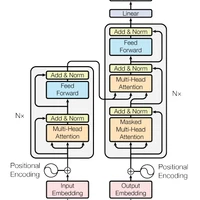

Hybrid SD: Edge-Cloud Collaborative Inference for Stable Diffusion Models
Stable Diffusion Models (SDMs) have shown remarkable proficiency in image synthesis. However, their broad application is impeded by their large model sizes and intensive computational requirements, which typically require expensive cloud servers for deployment. On the flip side, while there are many compact models tailored for edge devices that can reduce these demands, they often compromise on semantic integrity and visual quality when compared to full-sized SDMs. To bridge this gap, we introduce Hybrid SD, an innovative, training-free SDMs inference framework designed for edge-cloud collaborative inference. Hybrid SD distributes the early steps of the diffusion process to the large models deployed on cloud servers, enhancing semantic planning. Furthermore, small efficient models deployed on edge devices can be integrated for refining visual details in the later stages. Acknowledging the diversity of edge devices with differing computational and storage capacities, we employ structural pruning to the SDMs U-Net and train a lightweight VAE. Empirical evaluations demonstrate that our compressed models achieve state-of-the-art parameter efficiency (225.8M) on edge devices with competitive image quality. Additionally, Hybrid SD reduces the cloud cost by 66% with edge-cloud collaborative inference.
Towards Edge General Intelligence via Large Language Models: Opportunities and Challenges
Edge Intelligence (EI) has been instrumental in delivering real-time, localized services by leveraging the computational capabilities of edge networks. The integration of Large Language Models (LLMs) empowers EI to evolve into the next stage: Edge General Intelligence (EGI), enabling more adaptive and versatile applications that require advanced understanding and reasoning capabilities. However, systematic exploration in this area remains insufficient. This survey delineates the distinctions between EGI and traditional EI, categorizing LLM-empowered EGI into three conceptual systems: centralized, hybrid, and decentralized. For each system, we detail the framework designs and review existing implementations. Furthermore, we evaluate the performance and throughput of various Small Language Models (SLMs) that are more suitable for development on edge devices. This survey provides researchers with a comprehensive vision of EGI, offering insights into its vast potential and establishing a foundation for future advancements in this rapidly evolving field.
Communication-Efficient Hybrid Language Model via Uncertainty-Aware Opportunistic and Compressed Transmission
To support emerging language-based applications using dispersed and heterogeneous computing resources, the hybrid language model (HLM) offers a promising architecture, where an on-device small language model (SLM) generates draft tokens that are validated and corrected by a remote large language model (LLM). However, the original HLM suffers from substantial communication overhead, as the LLM requires the SLM to upload the full vocabulary distribution for each token. Moreover, both communication and computation resources are wasted when the LLM validates tokens that are highly likely to be accepted. To overcome these limitations, we propose communication-efficient and uncertainty-aware HLM (CU-HLM). In CU-HLM, the SLM transmits truncated vocabulary distributions only when its output uncertainty is high. We validate the feasibility of this opportunistic transmission by discovering a strong correlation between SLM's uncertainty and LLM's rejection probability. Furthermore, we theoretically derive optimal uncertainty thresholds and optimal vocabulary truncation strategies. Simulation results show that, compared to standard HLM, CU-HLM achieves up to 206times higher token throughput by skipping 74.8% transmissions with 97.4% vocabulary compression, while maintaining 97.4% accuracy.
Conformer-Based Speech Recognition On Extreme Edge-Computing Devices
With increasingly more powerful compute capabilities and resources in today's devices, traditionally compute-intensive automatic speech recognition (ASR) has been moving from the cloud to devices to better protect user privacy. However, it is still challenging to implement on-device ASR on resource-constrained devices, such as smartphones, smart wearables, and other smart home automation devices. In this paper, we propose a series of model architecture adaptions, neural network graph transformations, and numerical optimizations to fit an advanced Conformer based end-to-end streaming ASR system on resource-constrained devices without accuracy degradation. We achieve over 5.26 times faster than realtime (0.19 RTF) speech recognition on smart wearables while minimizing energy consumption and achieving state-of-the-art accuracy. The proposed methods are widely applicable to other transformer-based server-free AI applications. In addition, we provide a complete theory on optimal pre-normalizers that numerically stabilize layer normalization in any Lp-norm using any floating point precision.
Unicron: Economizing Self-Healing LLM Training at Scale
Training large-scale language models is increasingly critical in various domains, but it is hindered by frequent failures, leading to significant time and economic costs. Current failure recovery methods in cloud-based settings inadequately address the diverse and complex scenarios that arise, focusing narrowly on erasing downtime for individual tasks without considering the overall cost impact on a cluster. We introduce Unicron, a workload manager designed for efficient self-healing in large-scale language model training. Unicron optimizes the training process by minimizing failure-related costs across multiple concurrent tasks within a cluster. Its key features include in-band error detection for real-time error identification without extra overhead, a dynamic cost-aware plan generation mechanism for optimal reconfiguration, and an efficient transition strategy to reduce downtime during state changes. Deployed on a 128-GPU distributed cluster, Unicron demonstrates up to a 1.9x improvement in training efficiency over state-of-the-art methods, significantly reducing failure recovery costs and enhancing the reliability of large-scale language model training.

ProxylessNAS: Direct Neural Architecture Search on Target Task and Hardware
Neural architecture search (NAS) has a great impact by automatically designing effective neural network architectures. However, the prohibitive computational demand of conventional NAS algorithms (e.g. 10^4 GPU hours) makes it difficult to directly search the architectures on large-scale tasks (e.g. ImageNet). Differentiable NAS can reduce the cost of GPU hours via a continuous representation of network architecture but suffers from the high GPU memory consumption issue (grow linearly w.r.t. candidate set size). As a result, they need to utilize~proxy tasks, such as training on a smaller dataset, or learning with only a few blocks, or training just for a few epochs. These architectures optimized on proxy tasks are not guaranteed to be optimal on the target task. In this paper, we present ProxylessNAS that can directly learn the architectures for large-scale target tasks and target hardware platforms. We address the high memory consumption issue of differentiable NAS and reduce the computational cost (GPU hours and GPU memory) to the same level of regular training while still allowing a large candidate set. Experiments on CIFAR-10 and ImageNet demonstrate the effectiveness of directness and specialization. On CIFAR-10, our model achieves 2.08\% test error with only 5.7M parameters, better than the previous state-of-the-art architecture AmoebaNet-B, while using 6times fewer parameters. On ImageNet, our model achieves 3.1\% better top-1 accuracy than MobileNetV2, while being 1.2times faster with measured GPU latency. We also apply ProxylessNAS to specialize neural architectures for hardware with direct hardware metrics (e.g. latency) and provide insights for efficient CNN architecture design.


Data Scheduling Algorithm for Scalable and Efficient IoT Sensing in Cloud Computing
The rapid growth of Internet of Things (IoT) devices produces massive, heterogeneous data streams, demanding scalable and efficient scheduling in cloud environments to meet latency, energy, and Quality-of-Service (QoS) requirements. Existing scheduling methods often lack adaptability to dynamic workloads and network variability inherent in IoT-cloud systems. This paper presents a novel hybrid scheduling algorithm combining deep Reinforcement Learning (RL) and Ant Colony Optimization (ACO) to address these challenges. The deep RL agent utilizes a model-free policy-gradient approach to learn adaptive task allocation policies responsive to real-time workload fluctuations and network states. Simultaneously, the ACO metaheuristic conducts a global combinatorial search to optimize resource distribution, mitigate congestion, and balance load across distributed cloud nodes. Extensive experiments on large-scale synthetic IoT datasets, reflecting diverse workloads and QoS constraints, demonstrate that the proposed method achieves up to 18.4% reduction in average response time, 12.7% improvement in resource utilization, and 9.3% decrease in energy consumption compared to leading heuristics and RL-only baselines. Moreover, the algorithm ensures strict Service Level Agreement (SLA) compliance through deadline-aware scheduling and dynamic prioritization. The results confirm the effectiveness of integrating model-free RL with swarm intelligence for scalable, energy-efficient IoT data scheduling, offering a promising approach for next-generation IoT-cloud platforms.

EdgeReasoning: Characterizing Reasoning LLM Deployment on Edge GPUs
Edge intelligence paradigm is increasingly demanded by the emerging autonomous systems, such as robotics. Beyond ensuring privacy-preserving operation and resilience in connectivity-limited environments, edge deployment offers significant energy and cost advantages over cloud-based solutions. However, deploying large language models (LLMs) for reasoning tasks on edge GPUs faces critical challenges from strict latency constraints and limited computational resources. To navigate these constraints, developers must balance multiple design factors - choosing reasoning versus non-reasoning architectures, selecting appropriate model sizes, allocating token budgets, and applying test-time scaling strategies - to meet target latency and optimize accuracy. Yet guidance on optimal combinations of these variables remains scarce. In this work, we present EdgeReasoning, a comprehensive study characterizing the deployment of reasoning LLMs on edge GPUs. We systematically quantify latency-accuracy tradeoffs across various LLM architectures and model sizes. We systematically evaluate prompt-based and model-tuning-based techniques for reducing reasoning token length while maintaining performance quality. We further profile test-time scaling methods with varying degrees of parallelism to maximize accuracy under strict latency budgets. Through these analyses, EdgeReasoning maps the Pareto frontier of achievable accuracy-latency configurations, offering systematic guidance for optimal edge deployment of reasoning LLMs.
CURA: Size Isnt All You Need -- A Compact Universal Architecture for On-Device Intelligence
Existing on-device AI architectures for resource-constrained environments face two critical limitations: they lack compactness, with parameter requirements scaling proportionally to task complexity, and they exhibit poor generalizability, performing effectively only on specific application domains (e.g., models designed for regression tasks cannot adapt to natural language processing (NLP) applications). In this paper, we propose CURA, an architecture inspired by analog audio signal processing circuits that provides a compact and lightweight solution for diverse machine learning tasks across multiple domains. Our architecture offers three key advantages over existing approaches: (1) Compactness: it requires significantly fewer parameters regardless of task complexity; (2) Generalizability: it adapts seamlessly across regression, classification, complex NLP, and computer vision tasks; and (3) Complex pattern recognition: it can capture intricate data patterns while maintaining extremely low model complexity. We evaluated CURA across diverse datasets and domains. For compactness, it achieved equivalent accuracy using up to 2,500 times fewer parameters compared to baseline models. For generalizability, it demonstrated consistent performance across four NLP benchmarks and one computer vision dataset, nearly matching specialized existing models (achieving F1-scores up to 90%). Lastly, it delivers superior forecasting accuracy for complex patterns, achieving 1.6 times lower mean absolute error and 2.1 times lower mean squared error than competing models.
Cloud-Device Collaborative Adaptation to Continual Changing Environments in the Real-world
When facing changing environments in the real world, the lightweight model on client devices suffers from severe performance drops under distribution shifts. The main limitations of the existing device model lie in (1) unable to update due to the computation limit of the device, (2) the limited generalization ability of the lightweight model. Meanwhile, recent large models have shown strong generalization capability on the cloud while they can not be deployed on client devices due to poor computation constraints. To enable the device model to deal with changing environments, we propose a new learning paradigm of Cloud-Device Collaborative Continual Adaptation, which encourages collaboration between cloud and device and improves the generalization of the device model. Based on this paradigm, we further propose an Uncertainty-based Visual Prompt Adapted (U-VPA) teacher-student model to transfer the generalization capability of the large model on the cloud to the device model. Specifically, we first design the Uncertainty Guided Sampling (UGS) to screen out challenging data continuously and transmit the most out-of-distribution samples from the device to the cloud. Then we propose a Visual Prompt Learning Strategy with Uncertainty guided updating (VPLU) to specifically deal with the selected samples with more distribution shifts. We transmit the visual prompts to the device and concatenate them with the incoming data to pull the device testing distribution closer to the cloud training distribution. We conduct extensive experiments on two object detection datasets with continually changing environments. Our proposed U-VPA teacher-student framework outperforms previous state-of-the-art test time adaptation and device-cloud collaboration methods. The code and datasets will be released.

A Perspective on Deep Vision Performance with Standard Image and Video Codecs
Resource-constrained hardware, such as edge devices or cell phones, often rely on cloud servers to provide the required computational resources for inference in deep vision models. However, transferring image and video data from an edge or mobile device to a cloud server requires coding to deal with network constraints. The use of standardized codecs, such as JPEG or H.264, is prevalent and required to ensure interoperability. This paper aims to examine the implications of employing standardized codecs within deep vision pipelines. We find that using JPEG and H.264 coding significantly deteriorates the accuracy across a broad range of vision tasks and models. For instance, strong compression rates reduce semantic segmentation accuracy by more than 80% in mIoU. In contrast to previous findings, our analysis extends beyond image and action classification to localization and dense prediction tasks, thus providing a more comprehensive perspective.

