new

Get trending papers in your email inbox!

Subscribe

Daily Papers

byAK and the research community

Dec 30

Hierarchical Spatial Algorithms for High-Resolution Image Quantization and Feature Extraction

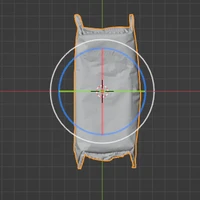
This study introduces a modular framework for spatial image processing, integrating grayscale quantization, color and brightness enhancement, image sharpening, bidirectional transformation pipelines, and geometric feature extraction. A stepwise intensity transformation quantizes grayscale images into eight discrete levels, producing a posterization effect that simplifies representation while preserving structural detail. Color enhancement is achieved via histogram equalization in both RGB and YCrCb color spaces, with the latter improving contrast while maintaining chrominance fidelity. Brightness adjustment is implemented through HSV value-channel manipulation, and image sharpening is performed using a 3 * 3 convolution kernel to enhance high-frequency details. A bidirectional transformation pipeline that integrates unsharp masking, gamma correction, and noise amplification achieved accuracy levels of 76.10% and 74.80% for the forward and reverse processes, respectively. Geometric feature extraction employed Canny edge detection, Hough-based line estimation (e.g., 51.50{\deg} for billiard cue alignment), Harris corner detection, and morphological window localization. Cue isolation further yielded 81.87\% similarity against ground truth images. Experimental evaluation across diverse datasets demonstrates robust and deterministic performance, highlighting its potential for real-time image analysis and computer vision.

  • 1 authors
·
Oct 9

HiRes-LLaVA: Restoring Fragmentation Input in High-Resolution Large Vision-Language Models

High-resolution inputs enable Large Vision-Language Models (LVLMs) to discern finer visual details, enhancing their comprehension capabilities. To reduce the training and computation costs caused by high-resolution input, one promising direction is to use sliding windows to slice the input into uniform patches, each matching the input size of the well-trained vision encoder. Although efficient, this slicing strategy leads to the fragmentation of original input, i.e., the continuity of contextual information and spatial geometry is lost across patches, adversely affecting performance in cross-patch context perception and position-specific tasks. To overcome these shortcomings, we introduce HiRes-LLaVA, a novel framework designed to efficiently process any size of high-resolution input without altering the original contextual and geometric information. HiRes-LLaVA comprises two innovative components: (i) a SliceRestore adapter that reconstructs sliced patches into their original form, efficiently extracting both global and local features via down-up-sampling and convolution layers, and (ii) a Self-Mining Sampler to compresses the vision tokens based on themselves, preserving the original context and positional information while reducing training overhead. To assess the ability of handling context fragmentation, we construct a new benchmark, EntityGrid-QA, consisting of edge-related and position-related tasks. Our comprehensive experiments demonstrate the superiority of HiRes-LLaVA on both existing public benchmarks and on EntityGrid-QA, particularly on document-oriented tasks, establishing new standards for handling high-resolution inputs.

  • 10 authors
·
Jul 11, 2024

RadZero: Similarity-Based Cross-Attention for Explainable Vision-Language Alignment in Radiology with Zero-Shot Multi-Task Capability

Recent advancements in multi-modal models have significantly improved vision-language alignment in radiology. However, existing approaches struggle to effectively utilize complex radiology reports for learning, rely on low-resolution images, and offer limited interpretability in attention mechanisms. To address these challenges, we introduce RadZero, a novel similarity-based cross-attention framework for vision-language alignment in radiology with zero-shot multi-task capability. RadZero leverages large language models to extract minimal semantic sentences from radiology reports and employs a multi-positive contrastive learning strategy to effectively capture relationships between images and multiple relevant textual descriptions. It also utilizes a pre-trained vision encoder with additional trainable Transformer layers, allowing efficient high-resolution image processing. By computing similarity between text embeddings and local image patch features, RadZero enables zero-shot inference with similarity probability for classification and pixel-level cross-modal similarity maps for grounding and segmentation. Experimental results on public chest radiograph benchmarks show that RadZero outperforms state-of-the-art methods in zero-shot classification, grounding, and segmentation. Furthermore, cross-modal similarity map analysis highlights its potential for improving explainability in vision-language alignment. Additionally, qualitative evaluation demonstrates RadZero's capability for open-vocabulary semantic segmentation, further validating its effectiveness in medical imaging.

  • 4 authors
·
Apr 9

Divide, Conquer and Combine: A Training-Free Framework for High-Resolution Image Perception in Multimodal Large Language Models

Multimodal large language models (MLLMs) have experienced significant advancements recently, but still struggle to recognize and interpret intricate details in high-resolution (HR) images effectively. While state-of-the-art (SOTA) MLLMs claim to process images at 4K resolution, existing MLLM benchmarks only support up to 2K, leaving the capabilities of SOTA models on true HR images largely untested. Furthermore, existing methods for enhancing HR image perception in MLLMs rely on computationally expensive visual instruction tuning. To address these limitations, we introduce HR-Bench, the first deliberately designed benchmark to rigorously evaluate MLLM performance on 4K&8K images. Through extensive experiments, we demonstrate that while downsampling HR images leads to vision information loss, leveraging complementary modalities, e.g., text, can effectively compensate for this loss. Building upon this insight, we propose Divide, Conquer and Combine (DC^2), a novel training-free framework for enhancing MLLM perception of HR images. DC^2 follows a three-staged approach: 1) Divide: recursively partitioning the HR image into patches and merging similar patches to minimize computational overhead, 2) Conquer: leveraging the MLLM to generate accurate textual descriptions for each image patch, and 3) Combine: utilizing the generated text descriptions to enhance the MLLM's understanding of the overall HR image. Extensive experiments show that: 1) the SOTA MLLM achieves 63% accuracy, which is markedly lower than the 87% accuracy achieved by humans on HR-Bench; 2) our DC^2 brings consistent and significant improvements (a relative increase of +6% on HR-Bench and +8% on general multimodal benchmarks). The benchmark and code will be released to facilitate the multimodal R&D community.

  • 7 authors
·
Aug 28, 2024

MAXIM: Multi-Axis MLP for Image Processing

Recent progress on Transformers and multi-layer perceptron (MLP) models provide new network architectural designs for computer vision tasks. Although these models proved to be effective in many vision tasks such as image recognition, there remain challenges in adapting them for low-level vision. The inflexibility to support high-resolution images and limitations of local attention are perhaps the main bottlenecks. In this work, we present a multi-axis MLP based architecture called MAXIM, that can serve as an efficient and flexible general-purpose vision backbone for image processing tasks. MAXIM uses a UNet-shaped hierarchical structure and supports long-range interactions enabled by spatially-gated MLPs. Specifically, MAXIM contains two MLP-based building blocks: a multi-axis gated MLP that allows for efficient and scalable spatial mixing of local and global visual cues, and a cross-gating block, an alternative to cross-attention, which accounts for cross-feature conditioning. Both these modules are exclusively based on MLPs, but also benefit from being both global and `fully-convolutional', two properties that are desirable for image processing. Our extensive experimental results show that the proposed MAXIM model achieves state-of-the-art performance on more than ten benchmarks across a range of image processing tasks, including denoising, deblurring, deraining, dehazing, and enhancement while requiring fewer or comparable numbers of parameters and FLOPs than competitive models. The source code and trained models will be available at https://github.com/google-research/maxim.

  • 7 authors
·
Jan 9, 2022

Learned Adaptive Kernels for High-Fidelity Image Downscaling

Image downscaling is a fundamental operation in image processing, crucial for adapting high-resolution content to various display and storage constraints. While classic methods often introduce blurring or aliasing, recent learning-based approaches offer improved adaptivity. However, achieving maximal fidelity against ground-truth low-resolution (LR) images, particularly by accounting for channel-specific characteristics, remains an open challenge. This paper introduces ADK-Net (Adaptive Downscaling Kernel Network), a novel deep convolutional neural network framework for high-fidelity supervised image downscaling. ADK-Net explicitly addresses channel interdependencies by learning to predict spatially-varying, adaptive resampling kernels independently for each pixel and uniquely for each color channel (RGB). The architecture employs a hierarchical design featuring a ResNet-based feature extractor and parallel channel-specific kernel generators, themselves composed of ResNet-based trunk and branch sub-modules, enabling fine-grained kernel prediction. Trained end-to-end using an L1 reconstruction loss against ground-truth LR data, ADK-Net effectively learns the target downscaling transformation. Extensive quantitative and qualitative experiments on standard benchmarks, including the RealSR dataset, demonstrate that ADK-Net establishes a new state-of-the-art in supervised image downscaling, yielding significant improvements in PSNR and SSIM metrics compared to existing learning-based and traditional methods.

  • 2 authors
·
Nov 3

Serpent: Scalable and Efficient Image Restoration via Multi-scale Structured State Space Models

The landscape of computational building blocks of efficient image restoration architectures is dominated by a combination of convolutional processing and various attention mechanisms. However, convolutional filters, while efficient, are inherently local and therefore struggle with modeling long-range dependencies in images. In contrast, attention excels at capturing global interactions between arbitrary image regions, but suffers from a quadratic cost in image dimension. In this work, we propose Serpent, an efficient architecture for high-resolution image restoration that combines recent advances in state space models (SSMs) with multi-scale signal processing in its core computational block. SSMs, originally introduced for sequence modeling, can maintain a global receptive field with a favorable linear scaling in input size. We propose a novel hierarchical architecture inspired by traditional signal processing principles, that converts the input image into a collection of sequences and processes them in a multi-scale fashion. Our experimental results demonstrate that Serpent can achieve reconstruction quality on par with state-of-the-art techniques, while requiring orders of magnitude less compute (up to 150 fold reduction in FLOPS) and a factor of up to 5times less GPU memory while maintaining a compact model size. The efficiency gains achieved by Serpent are especially notable at high image resolutions.

  • 3 authors
·
Mar 26, 2024

Mamba-based Light Field Super-Resolution with Efficient Subspace Scanning

Transformer-based methods have demonstrated impressive performance in 4D light field (LF) super-resolution by effectively modeling long-range spatial-angular correlations, but their quadratic complexity hinders the efficient processing of high resolution 4D inputs, resulting in slow inference speed and high memory cost. As a compromise, most prior work adopts a patch-based strategy, which fails to leverage the full information from the entire input LFs. The recently proposed selective state-space model, Mamba, has gained popularity for its efficient long-range sequence modeling. In this paper, we propose a Mamba-based Light Field Super-Resolution method, named MLFSR, by designing an efficient subspace scanning strategy. Specifically, we tokenize 4D LFs into subspace sequences and conduct bi-directional scanning on each subspace. Based on our scanning strategy, we then design the Mamba-based Global Interaction (MGI) module to capture global information and the local Spatial- Angular Modulator (SAM) to complement local details. Additionally, we introduce a Transformer-to-Mamba (T2M) loss to further enhance overall performance. Extensive experiments on public benchmarks demonstrate that MLFSR surpasses CNN-based models and rivals Transformer-based methods in performance while maintaining higher efficiency. With quicker inference speed and reduced memory demand, MLFSR facilitates full-image processing of high-resolution 4D LFs with enhanced performance.

  • 3 authors
·
Jun 23, 2024

Spherical Space Feature Decomposition for Guided Depth Map Super-Resolution

Guided depth map super-resolution (GDSR), as a hot topic in multi-modal image processing, aims to upsample low-resolution (LR) depth maps with additional information involved in high-resolution (HR) RGB images from the same scene. The critical step of this task is to effectively extract domain-shared and domain-private RGB/depth features. In addition, three detailed issues, namely blurry edges, noisy surfaces, and over-transferred RGB texture, need to be addressed. In this paper, we propose the Spherical Space feature Decomposition Network (SSDNet) to solve the above issues. To better model cross-modality features, Restormer block-based RGB/depth encoders are employed for extracting local-global features. Then, the extracted features are mapped to the spherical space to complete the separation of private features and the alignment of shared features. Shared features of RGB are fused with the depth features to complete the GDSR task. Subsequently, a spherical contrast refinement (SCR) module is proposed to further address the detail issues. Patches that are classified according to imperfect categories are input into the SCR module, where the patch features are pulled closer to the ground truth and pushed away from the corresponding imperfect samples in the spherical feature space via contrastive learning. Extensive experiments demonstrate that our method can achieve state-of-the-art results on four test datasets, as well as successfully generalize to real-world scenes. The code is available at https://github.com/Zhaozixiang1228/GDSR-SSDNet.

  • 8 authors
·
Mar 15, 2023

VoCo-LLaMA: Towards Vision Compression with Large Language Models

Vision-Language Models (VLMs) have achieved remarkable success in various multi-modal tasks, but they are often bottlenecked by the limited context window and high computational cost of processing high-resolution image inputs and videos. Vision compression can alleviate this problem by reducing the vision token count. Previous approaches compress vision tokens with external modules and force LLMs to understand the compressed ones, leading to visual information loss. However, the LLMs' understanding paradigm of vision tokens is not fully utilised in the compression learning process. We propose VoCo-LLaMA, the first approach to compress vision tokens using LLMs. By introducing Vision Compression tokens during the vision instruction tuning phase and leveraging attention distillation, our method distill how LLMs comprehend vision tokens into their processing of VoCo tokens. VoCo-LLaMA facilitates effective vision compression and improves the computational efficiency during the inference stage. Specifically, our method achieves minimal performance loss with a compression ratio of 576times, resulting in up to 94.8% fewer FLOPs and 69.6% acceleration in inference time. Furthermore, through continuous training using time-series compressed token sequences of video frames, VoCo-LLaMA demonstrates the ability to understand temporal correlations, outperforming previous methods on popular video question-answering benchmarks. Our approach presents a promising way to unlock the full potential of VLMs' contextual window, enabling more scalable multi-modal applications. The project page, along with the associated code, can be accessed via https://yxxxb.github.io/VoCo-LLaMA-page/{this https URL}.

  • 6 authors
·
Jun 18, 2024 10

A Single Transformer for Scalable Vision-Language Modeling

We present SOLO, a single transformer for Scalable visiOn-Language mOdeling. Current large vision-language models (LVLMs) such as LLaVA mostly employ heterogeneous architectures that connect pre-trained visual encoders with large language models (LLMs) to facilitate visual recognition and complex reasoning. Although achieving remarkable performance with relatively lightweight training, we identify four primary scalability limitations: (1) The visual capacity is constrained by pre-trained visual encoders, which are typically an order of magnitude smaller than LLMs. (2) The heterogeneous architecture complicates the use of established hardware and software infrastructure. (3) Study of scaling laws on such architecture must consider three separate components - visual encoder, connector, and LLMs, which complicates the analysis. (4) The use of existing visual encoders typically requires following a pre-defined specification of image inputs pre-processing, for example, by reshaping inputs to fixed-resolution square images, which presents difficulties in processing and training on high-resolution images or those with unusual aspect ratio. A unified single Transformer architecture, like SOLO, effectively addresses these scalability concerns in LVLMs; however, its limited adoption in the modern context likely stems from the absence of reliable training recipes that balance both modalities and ensure stable training for billion-scale models. In this paper, we introduce the first open-source training recipe for developing SOLO, an open-source 7B LVLM using moderate academic resources. The training recipe involves initializing from LLMs, sequential pre-training on ImageNet and web-scale data, and instruction fine-tuning on our curated high-quality datasets. On extensive evaluation, SOLO demonstrates performance comparable to LLaVA-v1.5-7B, particularly excelling in visual mathematical reasoning.

  • 4 authors
·
Jul 8, 2024

FreCaS: Efficient Higher-Resolution Image Generation via Frequency-aware Cascaded Sampling

While image generation with diffusion models has achieved a great success, generating images of higher resolution than the training size remains a challenging task due to the high computational cost. Current methods typically perform the entire sampling process at full resolution and process all frequency components simultaneously, contradicting with the inherent coarse-to-fine nature of latent diffusion models and wasting computations on processing premature high-frequency details at early diffusion stages. To address this issue, we introduce an efficient Frequency-aware Cascaded Sampling framework, FreCaS in short, for higher-resolution image generation. FreCaS decomposes the sampling process into cascaded stages with gradually increased resolutions, progressively expanding frequency bands and refining the corresponding details. We propose an innovative frequency-aware classifier-free guidance (FA-CFG) strategy to assign different guidance strengths for different frequency components, directing the diffusion model to add new details in the expanded frequency domain of each stage. Additionally, we fuse the cross-attention maps of previous and current stages to avoid synthesizing unfaithful layouts. Experiments demonstrate that FreCaS significantly outperforms state-of-the-art methods in image quality and generation speed. In particular, FreCaS is about 2.86times and 6.07times faster than ScaleCrafter and DemoFusion in generating a 2048times2048 image using a pre-trained SDXL model and achieves an FID_b improvement of 11.6 and 3.7, respectively. FreCaS can be easily extended to more complex models such as SD3. The source code of FreCaS can be found at text{https://github.com/xtudbxk/FreCaS}{https://github.com/xtudbxk/FreCaS}.

  • 3 authors
·
Oct 23, 2024

Remote Sensing Image Segmentation Using Vision Mamba and Multi-Scale Multi-Frequency Feature Fusion

As remote sensing imaging technology continues to advance and evolve, processing high-resolution and diversified satellite imagery to improve segmentation accuracy and enhance interpretation efficiency emerg as a pivotal area of investigation within the realm of remote sensing. Although segmentation algorithms based on CNNs and Transformers achieve significant progress in performance, balancing segmentation accuracy and computational complexity remains challenging, limiting their wide application in practical tasks. To address this, this paper introduces state space model (SSM) and proposes a novel hybrid semantic segmentation network based on vision Mamba (CVMH-UNet). This method designs a cross-scanning visual state space block (CVSSBlock) that uses cross 2D scanning (CS2D) to fully capture global information from multiple directions, while by incorporating convolutional neural network branches to overcome the constraints of Vision Mamba (VMamba) in acquiring local information, this approach facilitates a comprehensive analysis of both global and local features. Furthermore, to address the issue of limited discriminative power and the difficulty in achieving detailed fusion with direct skip connections, a multi-frequency multi-scale feature fusion block (MFMSBlock) is designed. This module introduces multi-frequency information through 2D discrete cosine transform (2D DCT) to enhance information utilization and provides additional scale local detail information through point-wise convolution branches. Finally, it aggregates multi-scale information along the channel dimension, achieving refined feature fusion. Findings from experiments conducted on renowned datasets of remote sensing imagery demonstrate that proposed CVMH-UNet achieves superior segmentation performance while maintaining low computational complexity, outperforming surpassing current leading-edge segmentation algorithms.

  • 7 authors
·
Oct 7, 2024

Scaling Vision Pre-Training to 4K Resolution

High-resolution perception of visual details is crucial for daily tasks. Current vision pre-training, however, is still limited to low resolutions (e.g., 378 x 378 pixels) due to the quadratic cost of processing larger images. We introduce PS3 that scales CLIP-style vision pre-training to 4K resolution with a near-constant cost. Instead of contrastive learning on global image representation, PS3 is pre-trained by selectively processing local regions and contrasting them with local detailed captions, enabling high-resolution representation learning with greatly reduced computational overhead. The pre-trained PS3 is able to both encode the global image at low resolution and selectively process local high-resolution regions based on their saliency or relevance to a text prompt. When applying PS3 to multi-modal LLM (MLLM), the resulting model, named VILA-HD, significantly improves high-resolution visual perception compared to baselines without high-resolution vision pre-training such as AnyRes and S^2 while using up to 4.3x fewer tokens. PS3 also unlocks appealing scaling properties of VILA-HD, including scaling up resolution for free and scaling up test-time compute for better performance. Compared to state of the arts, VILA-HD outperforms previous MLLMs such as NVILA and Qwen2-VL across multiple benchmarks and achieves better efficiency than latest token pruning approaches. Finally, we find current benchmarks do not require 4K-resolution perception, which motivates us to propose 4KPro, a new benchmark of image QA at 4K resolution, on which VILA-HD outperforms all previous MLLMs, including a 14.5% improvement over GPT-4o, and a 3.2% improvement and 2.96x speedup over Qwen2-VL.

  • 11 authors
·
Mar 25 2

What You See is What You GAN: Rendering Every Pixel for High-Fidelity Geometry in 3D GANs

3D-aware Generative Adversarial Networks (GANs) have shown remarkable progress in learning to generate multi-view-consistent images and 3D geometries of scenes from collections of 2D images via neural volume rendering. Yet, the significant memory and computational costs of dense sampling in volume rendering have forced 3D GANs to adopt patch-based training or employ low-resolution rendering with post-processing 2D super resolution, which sacrifices multiview consistency and the quality of resolved geometry. Consequently, 3D GANs have not yet been able to fully resolve the rich 3D geometry present in 2D images. In this work, we propose techniques to scale neural volume rendering to the much higher resolution of native 2D images, thereby resolving fine-grained 3D geometry with unprecedented detail. Our approach employs learning-based samplers for accelerating neural rendering for 3D GAN training using up to 5 times fewer depth samples. This enables us to explicitly "render every pixel" of the full-resolution image during training and inference without post-processing superresolution in 2D. Together with our strategy to learn high-quality surface geometry, our method synthesizes high-resolution 3D geometry and strictly view-consistent images while maintaining image quality on par with baselines relying on post-processing super resolution. We demonstrate state-of-the-art 3D gemetric quality on FFHQ and AFHQ, setting a new standard for unsupervised learning of 3D shapes in 3D GANs.

  • 8 authors
·
Jan 4, 2024 1

Tokenize Image Patches: Global Context Fusion for Effective Haze Removal in Large Images

Global contextual information and local detail features are essential for haze removal tasks. Deep learning models perform well on small, low-resolution images, but they encounter difficulties with large, high-resolution ones due to GPU memory limitations. As a compromise, they often resort to image slicing or downsampling. The former diminishes global information, while the latter discards high-frequency details. To address these challenges, we propose DehazeXL, a haze removal method that effectively balances global context and local feature extraction, enabling end-to-end modeling of large images on mainstream GPU hardware. Additionally, to evaluate the efficiency of global context utilization in haze removal performance, we design a visual attribution method tailored to the characteristics of haze removal tasks. Finally, recognizing the lack of benchmark datasets for haze removal in large images, we have developed an ultra-high-resolution haze removal dataset (8KDehaze) to support model training and testing. It includes 10000 pairs of clear and hazy remote sensing images, each sized at 8192 times 8192 pixels. Extensive experiments demonstrate that DehazeXL can infer images up to 10240 times 10240 pixels with only 21 GB of memory, achieving state-of-the-art results among all evaluated methods. The source code and experimental dataset are available at https://github.com/CastleChen339/DehazeXL.

  • 4 authors
·
Apr 13 2

TextCoT: Zoom In for Enhanced Multimodal Text-Rich Image Understanding

The advent of Large Multimodal Models (LMMs) has sparked a surge in research aimed at harnessing their remarkable reasoning abilities. However, for understanding text-rich images, challenges persist in fully leveraging the potential of LMMs, and existing methods struggle with effectively processing high-resolution images. In this work, we propose TextCoT, a novel Chain-of-Thought framework for text-rich image understanding. TextCoT utilizes the captioning ability of LMMs to grasp the global context of the image and the grounding capability to examine local textual regions. This allows for the extraction of both global and local visual information, facilitating more accurate question-answering. Technically, TextCoT consists of three stages, including image overview, coarse localization, and fine-grained observation. The image overview stage provides a comprehensive understanding of the global scene information, and the coarse localization stage approximates the image area containing the answer based on the question asked. Then, integrating the obtained global image descriptions, the final stage further examines specific regions to provide accurate answers. Our method is free of extra training, offering immediate plug-and-play functionality. Extensive experiments are conducted on a series of text-rich image question-answering benchmark datasets based on several advanced LMMs, and the results demonstrate the effectiveness and strong generalization ability of our method. Code is available at https://github.com/bzluan/TextCoT.

  • 6 authors
·
Apr 15, 2024

ERGO: Efficient High-Resolution Visual Understanding for Vision-Language Models

Efficient processing of high-resolution images is crucial for real-world vision-language applications. However, existing Large Vision-Language Models (LVLMs) incur substantial computational overhead due to the large number of vision tokens. With the advent of "thinking with images" models, reasoning now extends beyond text to the visual domain. This capability motivates our two-stage "coarse-to-fine" reasoning pipeline: first, a downsampled image is analyzed to identify task-relevant regions; then, only these regions are cropped at full resolution and processed in a subsequent reasoning stage. This approach reduces computational cost while preserving fine-grained visual details where necessary. A major challenge lies in inferring which regions are truly relevant to a given query. Recent related methods often fail in the first stage after input-image downsampling, due to perception-driven reasoning, where clear visual information is required for effective reasoning. To address this issue, we propose ERGO (Efficient Reasoning & Guided Observation) that performs reasoning-driven perception-leveraging multimodal context to determine where to focus. Our model can account for perceptual uncertainty, expanding the cropped region to cover visually ambiguous areas for answering questions. To this end, we develop simple yet effective reward components in a reinforcement learning framework for coarse-to-fine perception. Across multiple datasets, our approach delivers higher accuracy than the original model and competitive methods, with greater efficiency. For instance, ERGO surpasses Qwen2.5-VL-7B on the V* benchmark by 4.7 points while using only 23% of the vision tokens, achieving a 3x inference speedup. The code and models can be found at: https://github.com/nota-github/ERGO.

  • 8 authors
·
Sep 26 2

High-Resolution Visual Reasoning via Multi-Turn Grounding-Based Reinforcement Learning

State-of-the-art large multi-modal models (LMMs) face challenges when processing high-resolution images, as these inputs are converted into enormous visual tokens, many of which are irrelevant to the downstream task. In this paper, we propose Multi-turn Grounding-based Policy Optimization (MGPO), an end-to-end reinforcement learning (RL) framework that enables LMMs to iteratively focus on key visual regions by automatically cropping sub-images, based on model-predicted grounding coordinates within a multi-turn conversation framework. Compared to supervised fine-tuning (SFT), which requires costly additional grounding annotations, our approach highlights that LMMs can emerge robust grounding abilities during the RL training process, leveraging only a binary reward function derived from the correctness of the final answer. Additionally, we observe that LMMs struggle to autonomously trigger visual grounding during the rollout process. To address this cold start problem, we design a multi-turn conversational template and restrict policy loss computation to model outputs generated across multiple dialogue rounds, thereby promoting stable optimization. Extensive experiments demonstrate that, when trained on standard visual-question-short answering data without grounding annotations, MGPO effectively elicits stronger grounding capabilities compared to GRPO, leading to 5.4\% improvement on in-distribution MME-Realworld and 5.2\% improvement on the challenging out-of-distribution (OOD) V* Bench. Notably, MGPO post-training on Qwen2.5-VL-7B with 21K samples surpasses OpenAI's o1 and GPT-4o models on the OOD V* Bench. Codes are available at https://github.com/EvolvingLMMs-Lab/MGPO.

  • 6 authors
·
Jul 8 1

Unsupervised semantic segmentation of high-resolution UAV imagery for road scene parsing

Two challenges are presented when parsing road scenes in UAV images. First, the high resolution of UAV images makes processing difficult. Second, supervised deep learning methods require a large amount of manual annotations to train robust and accurate models. In this paper, an unsupervised road parsing framework that leverages recent advances in vision language models and fundamental computer vision model is introduced.Initially, a vision language model is employed to efficiently process ultra-large resolution UAV images to quickly detect road regions of interest in the images. Subsequently, the vision foundation model SAM is utilized to generate masks for the road regions without category information. Following that, a self-supervised representation learning network extracts feature representations from all masked regions. Finally, an unsupervised clustering algorithm is applied to cluster these feature representations and assign IDs to each cluster. The masked regions are combined with the corresponding IDs to generate initial pseudo-labels, which initiate an iterative self-training process for regular semantic segmentation. The proposed method achieves an impressive 89.96% mIoU on the development dataset without relying on any manual annotation. Particularly noteworthy is the extraordinary flexibility of the proposed method, which even goes beyond the limitations of human-defined categories and is able to acquire knowledge of new categories from the dataset itself.

  • 4 authors
·
Feb 5, 2024

Catching the Details: Self-Distilled RoI Predictors for Fine-Grained MLLM Perception

Multimodal Large Language Models (MLLMs) require high-resolution visual information to perform fine-grained perception, yet processing entire high-resolution images is computationally prohibitive. While recent methods leverage a Region-of-Interest (RoI) mechanism to focus on salient areas, they typically present a difficult trade-off: training-based approaches depend on large-scale annotated datasets, while training-free methods that utilize the model's internal attention are computationally inefficient and less accurate, requiring either multi-pass prefill stages or reliance on the slow auto-regressive decoding process. In this paper, we propose an efficient, annotation-free Self-Distilled Region Proposal Network (SD-RPN) that resolves this trade-off. The SD-RPN is built around a pipeline that transforms the noisy attention maps from the MLLM's middle layers into high-quality pseudo-RoI labels by explicitly denoising the signal and resolving ambiguity. We use these labels to train a lightweight Region Proposal Network (RPN) that learns a more precise localization. This RPN is also highly efficient, predicting the RoI in a single forward pass using features from the MLLM's middle layers, decoupling RoI identification from the auto-regressive generation and avoiding costly multi-pass operations.To validate our approach, we integrate the framework into the LLaVA-1.5 architecture. Despite being trained on only a few (e.g. 10K) question-answer pairs, our method demonstrates exceptional data efficiency and generalization, achieving over a 10% absolute accuracy improvement on unseen benchmarks, including TextVQA, DocVQA, and V-Star. Our work presents a practical and scalable solution for enhancing the fine-grained perception of MLLMs without requiring costly supervision or full model fine-tuning. Code is available at https://github.com/YuHengsss/SD-RPN.

DocVLM: Make Your VLM an Efficient Reader

Vision-Language Models (VLMs) excel in diverse visual tasks but face challenges in document understanding, which requires fine-grained text processing. While typical visual tasks perform well with low-resolution inputs, reading-intensive applications demand high-resolution, resulting in significant computational overhead. Using OCR-extracted text in VLM prompts partially addresses this issue but underperforms compared to full-resolution counterpart, as it lacks the complete visual context needed for optimal performance. We introduce DocVLM, a method that integrates an OCR-based modality into VLMs to enhance document processing while preserving original weights. Our approach employs an OCR encoder to capture textual content and layout, compressing these into a compact set of learned queries incorporated into the VLM. Comprehensive evaluations across leading VLMs show that DocVLM significantly reduces reliance on high-resolution images for document understanding. In limited-token regimes (448times448), DocVLM with 64 learned queries improves DocVQA results from 56.0% to 86.6% when integrated with InternVL2 and from 84.4% to 91.2% with Qwen2-VL. In LLaVA-OneVision, DocVLM achieves improved results while using 80% less image tokens. The reduced token usage allows processing multiple pages effectively, showing impressive zero-shot results on DUDE and state-of-the-art performance on MP-DocVQA, highlighting DocVLM's potential for applications requiring high-performance and efficiency.

  • 8 authors
·
Dec 11, 2024 1

Learning to Be a Transformer to Pinpoint Anomalies

To efficiently deploy strong, often pre-trained feature extractors, recent Industrial Anomaly Detection and Segmentation (IADS) methods process low-resolution images, e.g., 224x224 pixels, obtained by downsampling the original input images. However, while numerous industrial applications demand the identification of both large and small defects, downsampling the input image to a low resolution may hinder a method's ability to pinpoint tiny anomalies. We propose a novel Teacher--Student paradigm to leverage strong pre-trained features while processing high-resolution input images very efficiently. The core idea concerns training two shallow MLPs (the Students) by nominal images so as to mimic the mappings between the patch embeddings induced by the self-attention layers of a frozen vision Transformer (the Teacher). Indeed, learning these mappings sets forth a challenging pretext task that small-capacity models are unlikely to accomplish on out-of-distribution data such as anomalous images. Our method can spot anomalies from high-resolution images and runs way faster than competitors, achieving state-of-the-art performance on MVTec AD and the best segmentation results on VisA. We also propose novel evaluation metrics to capture robustness to defect size, i.e., the ability to preserve good localisation from large anomalies to tiny ones. Evaluating our method also by these metrics reveals its neatly superior performance.

  • 4 authors
·
Jul 4, 2024

Learning GUI Grounding with Spatial Reasoning from Visual Feedback

Graphical User Interface (GUI) grounding is commonly framed as a coordinate prediction task -- given a natural language instruction, generate on-screen coordinates for actions such as clicks and keystrokes. However, recent Vision Language Models (VLMs) often fail to predict accurate numeric coordinates when processing high-resolution GUI images with complex layouts. To address this issue, we reframe GUI grounding as an interactive search task, where the VLM generates actions to move a cursor in the GUI to locate UI elements. At each step, the model determines the target object, evaluates the spatial relations between the cursor and the target, and moves the cursor closer to the target conditioned on the movement history. In this interactive process, the rendered cursor provides visual feedback to help the model align its predictions with the corresponding on-screen locations. We train our GUI grounding model, GUI-Cursor, using multi-step online reinforcement learning with a dense trajectory-based reward function. Our experimental results show that GUI-Cursor, based on Qwen2.5-VL-7B, improves the GUI grounding accuracy and achieves state-of-the-art results on ScreenSpot-v2 (88.8% rightarrow 93.9%) and ScreenSpot-Pro (26.8% rightarrow 56.5%). Moreover, we observe that GUI-Cursor learns to solve the problem within two steps for 95\% of instances and can adaptively conduct more steps on more difficult examples.

  • 11 authors
·
Sep 25

GL-LCM: Global-Local Latent Consistency Models for Fast High-Resolution Bone Suppression in Chest X-Ray Images

Chest X-Ray (CXR) imaging for pulmonary diagnosis raises significant challenges, primarily because bone structures can obscure critical details necessary for accurate diagnosis. Recent advances in deep learning, particularly with diffusion models, offer significant promise for effectively minimizing the visibility of bone structures in CXR images, thereby improving clarity and diagnostic accuracy. Nevertheless, existing diffusion-based methods for bone suppression in CXR imaging struggle to balance the complete suppression of bones with preserving local texture details. Additionally, their high computational demand and extended processing time hinder their practical use in clinical settings. To address these limitations, we introduce a Global-Local Latent Consistency Model (GL-LCM) architecture. This model combines lung segmentation, dual-path sampling, and global-local fusion, enabling fast high-resolution bone suppression in CXR images. To tackle potential boundary artifacts and detail blurring in local-path sampling, we further propose Local-Enhanced Guidance, which addresses these issues without additional training. Comprehensive experiments on a self-collected dataset SZCH-X-Rays, and the public dataset JSRT, reveal that our GL-LCM delivers superior bone suppression and remarkable computational efficiency, significantly outperforming several competitive methods. Our code is available at https://github.com/diaoquesang/GL-LCM.

  • 10 authors
·
Aug 5

High-Precision Dichotomous Image Segmentation via Probing Diffusion Capacity

In the realm of high-resolution (HR), fine-grained image segmentation, the primary challenge is balancing broad contextual awareness with the precision required for detailed object delineation, capturing intricate details and the finest edges of objects. Diffusion models, trained on vast datasets comprising billions of image-text pairs, such as SD V2.1, have revolutionized text-to-image synthesis by delivering exceptional quality, fine detail resolution, and strong contextual awareness, making them an attractive solution for high-resolution image segmentation. To this end, we propose DiffDIS, a diffusion-driven segmentation model that taps into the potential of the pre-trained U-Net within diffusion models, specifically designed for high-resolution, fine-grained object segmentation. By leveraging the robust generalization capabilities and rich, versatile image representation prior of the SD models, coupled with a task-specific stable one-step denoising approach, we significantly reduce the inference time while preserving high-fidelity, detailed generation. Additionally, we introduce an auxiliary edge generation task to not only enhance the preservation of fine details of the object boundaries, but reconcile the probabilistic nature of diffusion with the deterministic demands of segmentation. With these refined strategies in place, DiffDIS serves as a rapid object mask generation model, specifically optimized for generating detailed binary maps at high resolutions, while demonstrating impressive accuracy and swift processing. Experiments on the DIS5K dataset demonstrate the superiority of DiffDIS, achieving state-of-the-art results through a streamlined inference process. The source code will be publicly available at https://github.com/qianyu-dlut/DiffDIS.

  • 7 authors
·
Oct 13, 2024

Deep Generative Modeling with Spatial and Network Images: An Explainable AI (XAI) Approach

This article addresses the challenge of modeling the amplitude of spatially indexed low frequency fluctuations (ALFF) in resting state functional MRI as a function of cortical structural features and a multi-task coactivation network in the Adolescent Brain Cognitive Development (ABCD) Study. It proposes a generative model that integrates effects of spatially-varying inputs and a network-valued input using deep neural networks to capture complex non-linear and spatial associations with the output. The method models spatial smoothness, accounts for subject heterogeneity and complex associations between network and spatial images at different scales, enables accurate inference of each images effect on the output image, and allows prediction with uncertainty quantification via Monte Carlo dropout, contributing to one of the first Explainable AI (XAI) frameworks for heterogeneous imaging data. The model is highly scalable to high-resolution data without the heavy pre-processing or summarization often required by Bayesian methods. Empirical results demonstrate its strong performance compared to existing statistical and deep learning methods. We applied the XAI model to the ABCD data which revealed associations between cortical features and ALFF throughout the entire brain. Our model performed comparably to existing methods in predictive accuracy but provided superior uncertainty quantification and faster computation, demonstrating its effectiveness for large-scale neuroimaging analysis. Open-source software in Python for XAI is available.

  • 3 authors
·
May 19

GIRAFFE: Design Choices for Extending the Context Length of Visual Language Models

Visual Language Models (VLMs) demonstrate impressive capabilities in processing multimodal inputs, yet applications such as visual agents, which require handling multiple images and high-resolution videos, demand enhanced long-range modeling. Moreover, existing open-source VLMs lack systematic exploration into extending their context length, and commercial models often provide limited details. To tackle this, we aim to establish an effective solution that enhances long context performance of VLMs while preserving their capacities in short context scenarios. Towards this goal, we make the best design choice through extensive experiment settings from data curation to context window extending and utilizing: (1) we analyze data sources and length distributions to construct ETVLM - a data recipe to balance the performance across scenarios; (2) we examine existing position extending methods, identify their limitations and propose M-RoPE++ as an enhanced approach; we also choose to solely instruction-tune the backbone with mixed-source data; (3) we discuss how to better utilize extended context windows and propose hybrid-resolution training. Built on the Qwen-VL series model, we propose Giraffe, which is effectively extended to 128K lengths. Evaluated on extensive long context VLM benchmarks such as VideoMME and Viusal Haystacks, our Giraffe achieves state-of-the-art performance among similarly sized open-source long VLMs and is competitive with commercial model GPT-4V. We will open-source the code, data, and models.

  • 4 authors
·
Dec 17, 2024

Learning Enriched Features for Real Image Restoration and Enhancement

With the goal of recovering high-quality image content from its degraded version, image restoration enjoys numerous applications, such as in surveillance, computational photography, medical imaging, and remote sensing. Recently, convolutional neural networks (CNNs) have achieved dramatic improvements over conventional approaches for image restoration task. Existing CNN-based methods typically operate either on full-resolution or on progressively low-resolution representations. In the former case, spatially precise but contextually less robust results are achieved, while in the latter case, semantically reliable but spatially less accurate outputs are generated. In this paper, we present a novel architecture with the collective goals of maintaining spatially-precise high-resolution representations through the entire network and receiving strong contextual information from the low-resolution representations. The core of our approach is a multi-scale residual block containing several key elements: (a) parallel multi-resolution convolution streams for extracting multi-scale features, (b) information exchange across the multi-resolution streams, (c) spatial and channel attention mechanisms for capturing contextual information, and (d) attention based multi-scale feature aggregation. In a nutshell, our approach learns an enriched set of features that combines contextual information from multiple scales, while simultaneously preserving the high-resolution spatial details. Extensive experiments on five real image benchmark datasets demonstrate that our method, named as MIRNet, achieves state-of-the-art results for a variety of image processing tasks, including image denoising, super-resolution, and image enhancement. The source code and pre-trained models are available at https://github.com/swz30/MIRNet.

  • 7 authors
·
Mar 15, 2020

ScaleCrafter: Tuning-free Higher-Resolution Visual Generation with Diffusion Models

In this work, we investigate the capability of generating images from pre-trained diffusion models at much higher resolutions than the training image sizes. In addition, the generated images should have arbitrary image aspect ratios. When generating images directly at a higher resolution, 1024 x 1024, with the pre-trained Stable Diffusion using training images of resolution 512 x 512, we observe persistent problems of object repetition and unreasonable object structures. Existing works for higher-resolution generation, such as attention-based and joint-diffusion approaches, cannot well address these issues. As a new perspective, we examine the structural components of the U-Net in diffusion models and identify the crucial cause as the limited perception field of convolutional kernels. Based on this key observation, we propose a simple yet effective re-dilation that can dynamically adjust the convolutional perception field during inference. We further propose the dispersed convolution and noise-damped classifier-free guidance, which can enable ultra-high-resolution image generation (e.g., 4096 x 4096). Notably, our approach does not require any training or optimization. Extensive experiments demonstrate that our approach can address the repetition issue well and achieve state-of-the-art performance on higher-resolution image synthesis, especially in texture details. Our work also suggests that a pre-trained diffusion model trained on low-resolution images can be directly used for high-resolution visual generation without further tuning, which may provide insights for future research on ultra-high-resolution image and video synthesis.

  • 10 authors
·
Oct 11, 2023

Real-Time Single Image and Video Super-Resolution Using an Efficient Sub-Pixel Convolutional Neural Network

Recently, several models based on deep neural networks have achieved great success in terms of both reconstruction accuracy and computational performance for single image super-resolution. In these methods, the low resolution (LR) input image is upscaled to the high resolution (HR) space using a single filter, commonly bicubic interpolation, before reconstruction. This means that the super-resolution (SR) operation is performed in HR space. We demonstrate that this is sub-optimal and adds computational complexity. In this paper, we present the first convolutional neural network (CNN) capable of real-time SR of 1080p videos on a single K2 GPU. To achieve this, we propose a novel CNN architecture where the feature maps are extracted in the LR space. In addition, we introduce an efficient sub-pixel convolution layer which learns an array of upscaling filters to upscale the final LR feature maps into the HR output. By doing so, we effectively replace the handcrafted bicubic filter in the SR pipeline with more complex upscaling filters specifically trained for each feature map, whilst also reducing the computational complexity of the overall SR operation. We evaluate the proposed approach using images and videos from publicly available datasets and show that it performs significantly better (+0.15dB on Images and +0.39dB on Videos) and is an order of magnitude faster than previous CNN-based methods.

  • 8 authors
·
Sep 16, 2016

Human Vision Constrained Super-Resolution

Modern deep-learning super-resolution (SR) techniques process images and videos independently of the underlying content and viewing conditions. However, the sensitivity of the human visual system (HVS) to image details changes depending on the underlying image characteristics, such as spatial frequency, luminance, color, contrast, or motion; as well viewing condition aspects such as ambient lighting and distance to the display. This observation suggests that computational resources spent on up-sampling images/videos may be wasted whenever a viewer cannot resolve the synthesized details i.e the resolution of details exceeds the resolving capability of human vision. Motivated by this observation, we propose a human vision inspired and architecture-agnostic approach for controlling SR techniques to deliver visually optimal results while limiting computational complexity. Its core is an explicit Human Visual Processing Framework (HVPF) that dynamically and locally guides SR methods according to human sensitivity to specific image details and viewing conditions. We demonstrate the application of our framework in combination with network branching to improve the computational efficiency of SR methods. Quantitative and qualitative evaluations, including user studies, demonstrate the effectiveness of our approach in reducing FLOPS by factors of 2times and greater, without sacrificing perceived quality.

Ship in Sight: Diffusion Models for Ship-Image Super Resolution

In recent years, remarkable advancements have been achieved in the field of image generation, primarily driven by the escalating demand for high-quality outcomes across various image generation subtasks, such as inpainting, denoising, and super resolution. A major effort is devoted to exploring the application of super-resolution techniques to enhance the quality of low-resolution images. In this context, our method explores in depth the problem of ship image super resolution, which is crucial for coastal and port surveillance. We investigate the opportunity given by the growing interest in text-to-image diffusion models, taking advantage of the prior knowledge that such foundation models have already learned. In particular, we present a diffusion-model-based architecture that leverages text conditioning during training while being class-aware, to best preserve the crucial details of the ships during the generation of the super-resoluted image. Since the specificity of this task and the scarcity availability of off-the-shelf data, we also introduce a large labeled ship dataset scraped from online ship images, mostly from ShipSpotting\url{www.shipspotting.com} website. Our method achieves more robust results than other deep learning models previously employed for super resolution, as proven by the multiple experiments performed. Moreover, we investigate how this model can benefit downstream tasks, such as classification and object detection, thus emphasizing practical implementation in a real-world scenario. Experimental results show flexibility, reliability, and impressive performance of the proposed framework over state-of-the-art methods for different tasks. The code is available at: https://github.com/LuigiSigillo/ShipinSight .

  • 4 authors
·
Mar 27, 2024

Arbitrary-Scale Image Generation and Upsampling using Latent Diffusion Model and Implicit Neural Decoder

Super-resolution (SR) and image generation are important tasks in computer vision and are widely adopted in real-world applications. Most existing methods, however, generate images only at fixed-scale magnification and suffer from over-smoothing and artifacts. Additionally, they do not offer enough diversity of output images nor image consistency at different scales. Most relevant work applied Implicit Neural Representation (INR) to the denoising diffusion model to obtain continuous-resolution yet diverse and high-quality SR results. Since this model operates in the image space, the larger the resolution of image is produced, the more memory and inference time is required, and it also does not maintain scale-specific consistency. We propose a novel pipeline that can super-resolve an input image or generate from a random noise a novel image at arbitrary scales. The method consists of a pretrained auto-encoder, a latent diffusion model, and an implicit neural decoder, and their learning strategies. The proposed method adopts diffusion processes in a latent space, thus efficient, yet aligned with output image space decoded by MLPs at arbitrary scales. More specifically, our arbitrary-scale decoder is designed by the symmetric decoder w/o up-scaling from the pretrained auto-encoder, and Local Implicit Image Function (LIIF) in series. The latent diffusion process is learnt by the denoising and the alignment losses jointly. Errors in output images are backpropagated via the fixed decoder, improving the quality of output images. In the extensive experiments using multiple public benchmarks on the two tasks i.e. image super-resolution and novel image generation at arbitrary scales, the proposed method outperforms relevant methods in metrics of image quality, diversity and scale consistency. It is significantly better than the relevant prior-art in the inference speed and memory usage.

  • 2 authors
·
Mar 15, 2024

Lightweight Image Super-Resolution with Information Multi-distillation Network

In recent years, single image super-resolution (SISR) methods using deep convolution neural network (CNN) have achieved impressive results. Thanks to the powerful representation capabilities of the deep networks, numerous previous ways can learn the complex non-linear mapping between low-resolution (LR) image patches and their high-resolution (HR) versions. However, excessive convolutions will limit the application of super-resolution technology in low computing power devices. Besides, super-resolution of any arbitrary scale factor is a critical issue in practical applications, which has not been well solved in the previous approaches. To address these issues, we propose a lightweight information multi-distillation network (IMDN) by constructing the cascaded information multi-distillation blocks (IMDB), which contains distillation and selective fusion parts. Specifically, the distillation module extracts hierarchical features step-by-step, and fusion module aggregates them according to the importance of candidate features, which is evaluated by the proposed contrast-aware channel attention mechanism. To process real images with any sizes, we develop an adaptive cropping strategy (ACS) to super-resolve block-wise image patches using the same well-trained model. Extensive experiments suggest that the proposed method performs favorably against the state-of-the-art SR algorithms in term of visual quality, memory footprint, and inference time. Code is available at https://github.com/Zheng222/IMDN.

  • 4 authors
·
Sep 25, 2019

Iterative Soft Shrinkage Learning for Efficient Image Super-Resolution

Image super-resolution (SR) has witnessed extensive neural network designs from CNN to transformer architectures. However, prevailing SR models suffer from prohibitive memory footprint and intensive computations, which limits further deployment on edge devices. This work investigates the potential of network pruning for super-resolution to take advantage of off-the-shelf network designs and reduce the underlying computational overhead. Two main challenges remain in applying pruning methods for SR. First, the widely-used filter pruning technique reflects limited granularity and restricted adaptability to diverse network structures. Second, existing pruning methods generally operate upon a pre-trained network for the sparse structure determination, hard to get rid of dense model training in the traditional SR paradigm. To address these challenges, we adopt unstructured pruning with sparse models directly trained from scratch. Specifically, we propose a novel Iterative Soft Shrinkage-Percentage (ISS-P) method by optimizing the sparse structure of a randomly initialized network at each iteration and tweaking unimportant weights with a small amount proportional to the magnitude scale on-the-fly. We observe that the proposed ISS-P can dynamically learn sparse structures adapting to the optimization process and preserve the sparse model's trainability by yielding a more regularized gradient throughput. Experiments on benchmark datasets demonstrate the effectiveness of the proposed ISS-P over diverse network architectures. Code is available at https://github.com/Jiamian-Wang/Iterative-Soft-Shrinkage-SR

  • 5 authors
·
Mar 16, 2023

Beyond LLaVA-HD: Diving into High-Resolution Large Multimodal Models

Seeing clearly with high resolution is a foundation of Large Multimodal Models (LMMs), which has been proven to be vital for visual perception and reasoning. Existing works usually employ a straightforward resolution upscaling method, where the image consists of global and local branches, with the latter being the sliced image patches but resized to the same resolution as the former. This means that higher resolution requires more local patches, resulting in exorbitant computational expenses, and meanwhile, the dominance of local image tokens may diminish the global context. In this paper, we dive into the problems and propose a new framework as well as an elaborate optimization strategy. Specifically, we extract contextual information from the global view using a mixture of adapters, based on the observation that different adapters excel at different tasks. With regard to local patches, learnable query embeddings are introduced to reduce image tokens, the most important tokens accounting for the user question will be further selected by a similarity-based selector. Our empirical results demonstrate a `less is more' pattern, where utilizing fewer but more informative local image tokens leads to improved performance. Besides, a significant challenge lies in the training strategy, as simultaneous end-to-end training of the global mining block and local compression block does not yield optimal results. We thus advocate for an alternating training way, ensuring balanced learning between global and local aspects. Finally, we also introduce a challenging dataset with high requirements for image detail, enhancing the training of the local compression layer. The proposed method, termed LMM with Sophisticated Tasks, Local image compression, and Mixture of global Experts (SliME), achieves leading performance across various benchmarks with only 2 million training data.

  • 7 authors
·
Jun 12, 2024 2

DiffuseHigh: Training-free Progressive High-Resolution Image Synthesis through Structure Guidance

Recent surge in large-scale generative models has spurred the development of vast fields in computer vision. In particular, text-to-image diffusion models have garnered widespread adoption across diverse domain due to their potential for high-fidelity image generation. Nonetheless, existing large-scale diffusion models are confined to generate images of up to 1K resolution, which is far from meeting the demands of contemporary commercial applications. Directly sampling higher-resolution images often yields results marred by artifacts such as object repetition and distorted shapes. Addressing the aforementioned issues typically necessitates training or fine-tuning models on higher resolution datasets. However, this undertaking poses a formidable challenge due to the difficulty in collecting large-scale high-resolution contents and substantial computational resources. While several preceding works have proposed alternatives, they often fail to produce convincing results. In this work, we probe the generative ability of diffusion models at higher resolution beyond its original capability and propose a novel progressive approach that fully utilizes generated low-resolution image to guide the generation of higher resolution image. Our method obviates the need for additional training or fine-tuning which significantly lowers the burden of computational costs. Extensive experiments and results validate the efficiency and efficacy of our method. Project page: https://yhyun225.github.io/DiffuseHigh/

  • 4 authors
·
Jun 26, 2024

Accelerating Image Super-Resolution Networks with Pixel-Level Classification

In recent times, the need for effective super-resolution (SR) techniques has surged, especially for large-scale images ranging 2K to 8K resolutions. For DNN-based SISR, decomposing images into overlapping patches is typically necessary due to computational constraints. In such patch-decomposing scheme, one can allocate computational resources differently based on each patch's difficulty to further improve efficiency while maintaining SR performance. However, this approach has a limitation: computational resources is uniformly allocated within a patch, leading to lower efficiency when the patch contain pixels with varying levels of restoration difficulty. To address the issue, we propose the Pixel-level Classifier for Single Image Super-Resolution (PCSR), a novel method designed to distribute computational resources adaptively at the pixel level. A PCSR model comprises a backbone, a pixel-level classifier, and a set of pixel-level upsamplers with varying capacities. The pixel-level classifier assigns each pixel to an appropriate upsampler based on its restoration difficulty, thereby optimizing computational resource usage. Our method allows for performance and computational cost balance during inference without re-training. Our experiments demonstrate PCSR's advantage over existing patch-distributing methods in PSNR-FLOP trade-offs across different backbone models and benchmarks. The code is available at https://github.com/3587jjh/PCSR.

  • 4 authors
·
Jul 31, 2024 1

Parameter-Inverted Image Pyramid Networks

Image pyramids are commonly used in modern computer vision tasks to obtain multi-scale features for precise understanding of images. However, image pyramids process multiple resolutions of images using the same large-scale model, which requires significant computational cost. To overcome this issue, we propose a novel network architecture known as the Parameter-Inverted Image Pyramid Networks (PIIP). Our core idea is to use models with different parameter sizes to process different resolution levels of the image pyramid, thereby balancing computational efficiency and performance. Specifically, the input to PIIP is a set of multi-scale images, where higher resolution images are processed by smaller networks. We further propose a feature interaction mechanism to allow features of different resolutions to complement each other and effectively integrate information from different spatial scales. Extensive experiments demonstrate that the PIIP achieves superior performance in tasks such as object detection, segmentation, and image classification, compared to traditional image pyramid methods and single-branch networks, while reducing computational cost. Notably, when applying our method on a large-scale vision foundation model InternViT-6B, we improve its performance by 1%-2% on detection and segmentation with only 40%-60% of the original computation. These results validate the effectiveness of the PIIP approach and provide a new technical direction for future vision computing tasks. Our code and models are available at https://github.com/OpenGVLab/PIIP.

  • 9 authors
·
Jun 6, 2024

No Pixel Left Behind: A Detail-Preserving Architecture for Robust High-Resolution AI-Generated Image Detection

The rapid growth of high-resolution, meticulously crafted AI-generated images poses a significant challenge to existing detection methods, which are often trained and evaluated on low-resolution, automatically generated datasets that do not align with the complexities of high-resolution scenarios. A common practice is to resize or center-crop high-resolution images to fit standard network inputs. However, without full coverage of all pixels, such strategies risk either obscuring subtle, high-frequency artifacts or discarding information from uncovered regions, leading to input information loss. In this paper, we introduce the High-Resolution Detail-Aggregation Network (HiDA-Net), a novel framework that ensures no pixel is left behind. We use the Feature Aggregation Module (FAM), which fuses features from multiple full-resolution local tiles with a down-sampled global view of the image. These local features are aggregated and fused with global representations for final prediction, ensuring that native-resolution details are preserved and utilized for detection. To enhance robustness against challenges such as localized AI manipulations and compression, we introduce Token-wise Forgery Localization (TFL) module for fine-grained spatial sensitivity and JPEG Quality Factor Estimation (QFE) module to disentangle generative artifacts from compression noise explicitly. Furthermore, to facilitate future research, we introduce HiRes-50K, a new challenging benchmark consisting of 50,568 images with up to 64 megapixels. Extensive experiments show that HiDA-Net achieves state-of-the-art, increasing accuracy by over 13% on the challenging Chameleon dataset and 10% on our HiRes-50K.

  • 10 authors
·
Aug 24

Quaternion Wavelet-Conditioned Diffusion Models for Image Super-Resolution

Image Super-Resolution is a fundamental problem in computer vision with broad applications spacing from medical imaging to satellite analysis. The ability to reconstruct high-resolution images from low-resolution inputs is crucial for enhancing downstream tasks such as object detection and segmentation. While deep learning has significantly advanced SR, achieving high-quality reconstructions with fine-grained details and realistic textures remains challenging, particularly at high upscaling factors. Recent approaches leveraging diffusion models have demonstrated promising results, yet they often struggle to balance perceptual quality with structural fidelity. In this work, we introduce ResQu a novel SR framework that integrates a quaternion wavelet preprocessing framework with latent diffusion models, incorporating a new quaternion wavelet- and time-aware encoder. Unlike prior methods that simply apply wavelet transforms within diffusion models, our approach enhances the conditioning process by exploiting quaternion wavelet embeddings, which are dynamically integrated at different stages of denoising. Furthermore, we also leverage the generative priors of foundation models such as Stable Diffusion. Extensive experiments on domain-specific datasets demonstrate that our method achieves outstanding SR results, outperforming in many cases existing approaches in perceptual quality and standard evaluation metrics. The code will be available after the revision process.

  • 4 authors
·
May 1

ImagePairs: Realistic Super Resolution Dataset via Beam Splitter Camera Rig

Super Resolution is the problem of recovering a high-resolution image from a single or multiple low-resolution images of the same scene. It is an ill-posed problem since high frequency visual details of the scene are completely lost in low-resolution images. To overcome this, many machine learning approaches have been proposed aiming at training a model to recover the lost details in the new scenes. Such approaches include the recent successful effort in utilizing deep learning techniques to solve super resolution problem. As proven, data itself plays a significant role in the machine learning process especially deep learning approaches which are data hungry. Therefore, to solve the problem, the process of gathering data and its formation could be equally as vital as the machine learning technique used. Herein, we are proposing a new data acquisition technique for gathering real image data set which could be used as an input for super resolution, noise cancellation and quality enhancement techniques. We use a beam-splitter to capture the same scene by a low resolution camera and a high resolution camera. Since we also release the raw images, this large-scale dataset could be used for other tasks such as ISP generation. Unlike current small-scale dataset used for these tasks, our proposed dataset includes 11,421 pairs of low-resolution high-resolution images of diverse scenes. To our knowledge this is the most complete dataset for super resolution, ISP and image quality enhancement. The benchmarking result shows how the new dataset can be successfully used to significantly improve the quality of real-world image super resolution.


  • 8 authors
·
Apr 17, 2020

MRI Super-Resolution with Deep Learning: A Comprehensive Survey

High-resolution (HR) magnetic resonance imaging (MRI) is crucial for many clinical and research applications. However, achieving it remains costly and constrained by technical trade-offs and experimental limitations. Super-resolution (SR) presents a promising computational approach to overcome these challenges by generating HR images from more affordable low-resolution (LR) scans, potentially improving diagnostic accuracy and efficiency without requiring additional hardware. This survey reviews recent advances in MRI SR techniques, with a focus on deep learning (DL) approaches. It examines DL-based MRI SR methods from the perspectives of computer vision, computational imaging, inverse problems, and MR physics, covering theoretical foundations, architectural designs, learning strategies, benchmark datasets, and performance metrics. We propose a systematic taxonomy to categorize these methods and present an in-depth study of both established and emerging SR techniques applicable to MRI, considering unique challenges in clinical and research contexts. We also highlight open challenges and directions that the community needs to address. Additionally, we provide a collection of essential open-access resources, tools, and tutorials, available on our GitHub: https://github.com/mkhateri/Awesome-MRI-Super-Resolution. IEEE keywords: MRI, Super-Resolution, Deep Learning, Computational Imaging, Inverse Problem, Survey.
Frame-Recurrent Video Super-Resolution

Recent advances in video super-resolution have shown that convolutional neural networks combined with motion compensation are able to merge information from multiple low-resolution (LR) frames to generate high-quality images. Current state-of-the-art methods process a batch of LR frames to generate a single high-resolution (HR) frame and run this scheme in a sliding window fashion over the entire video, effectively treating the problem as a large number of separate multi-frame super-resolution tasks. This approach has two main weaknesses: 1) Each input frame is processed and warped multiple times, increasing the computational cost, and 2) each output frame is estimated independently conditioned on the input frames, limiting the system's ability to produce temporally consistent results. In this work, we propose an end-to-end trainable frame-recurrent video super-resolution framework that uses the previously inferred HR estimate to super-resolve the subsequent frame. This naturally encourages temporally consistent results and reduces the computational cost by warping only one image in each step. Furthermore, due to its recurrent nature, the proposed method has the ability to assimilate a large number of previous frames without increased computational demands. Extensive evaluations and comparisons with previous methods validate the strengths of our approach and demonstrate that the proposed framework is able to significantly outperform the current state of the art.

  • 3 authors
·
Jan 14, 2018

QuantNAS for super resolution: searching for efficient quantization-friendly architectures against quantization noise

There is a constant need for high-performing and computationally efficient neural network models for image super-resolution: computationally efficient models can be used via low-capacity devices and reduce carbon footprints. One way to obtain such models is to compress models, e.g. quantization. Another way is a neural architecture search that automatically discovers new, more efficient solutions. We propose a novel quantization-aware procedure, the QuantNAS that combines pros of these two approaches. To make QuantNAS work, the procedure looks for quantization-friendly super-resolution models. The approach utilizes entropy regularization, quantization noise, and Adaptive Deviation for Quantization (ADQ) module to enhance the search procedure. The entropy regularization technique prioritizes a single operation within each block of the search space. Adding quantization noise to parameters and activations approximates model degradation after quantization, resulting in a more quantization-friendly architectures. ADQ helps to alleviate problems caused by Batch Norm blocks in super-resolution models. Our experimental results show that the proposed approximations are better for search procedure than direct model quantization. QuantNAS discovers architectures with better PSNR/BitOps trade-off than uniform or mixed precision quantization of fixed architectures. We showcase the effectiveness of our method through its application to two search spaces inspired by the state-of-the-art SR models and RFDN. Thus, anyone can design a proper search space based on an existing architecture and apply our method to obtain better quality and efficiency. The proposed procedure is 30\% faster than direct weight quantization and is more stable.

  • 7 authors
·
Aug 31, 2022

Effective Invertible Arbitrary Image Rescaling

Great successes have been achieved using deep learning techniques for image super-resolution (SR) with fixed scales. To increase its real world applicability, numerous models have also been proposed to restore SR images with arbitrary scale factors, including asymmetric ones where images are resized to different scales along horizontal and vertical directions. Though most models are only optimized for the unidirectional upscaling task while assuming a predefined downscaling kernel for low-resolution (LR) inputs, recent models based on Invertible Neural Networks (INN) are able to increase upscaling accuracy significantly by optimizing the downscaling and upscaling cycle jointly. However, limited by the INN architecture, it is constrained to fixed integer scale factors and requires one model for each scale. Without increasing model complexity, a simple and effective invertible arbitrary rescaling network (IARN) is proposed to achieve arbitrary image rescaling by training only one model in this work. Using innovative components like position-aware scale encoding and preemptive channel splitting, the network is optimized to convert the non-invertible rescaling cycle to an effectively invertible process. It is shown to achieve a state-of-the-art (SOTA) performance in bidirectional arbitrary rescaling without compromising perceptual quality in LR outputs. It is also demonstrated to perform well on tests with asymmetric scales using the same network architecture.

  • 5 authors
·
Sep 26, 2022

FiTv2: Scalable and Improved Flexible Vision Transformer for Diffusion Model

Nature is infinitely resolution-free. In the context of this reality, existing diffusion models, such as Diffusion Transformers, often face challenges when processing image resolutions outside of their trained domain. To address this limitation, we conceptualize images as sequences of tokens with dynamic sizes, rather than traditional methods that perceive images as fixed-resolution grids. This perspective enables a flexible training strategy that seamlessly accommodates various aspect ratios during both training and inference, thus promoting resolution generalization and eliminating biases introduced by image cropping. On this basis, we present the Flexible Vision Transformer (FiT), a transformer architecture specifically designed for generating images with unrestricted resolutions and aspect ratios. We further upgrade the FiT to FiTv2 with several innovative designs, includingthe Query-Key vector normalization, the AdaLN-LoRA module, a rectified flow scheduler, and a Logit-Normal sampler. Enhanced by a meticulously adjusted network structure, FiTv2 exhibits 2times convergence speed of FiT. When incorporating advanced training-free extrapolation techniques, FiTv2 demonstrates remarkable adaptability in both resolution extrapolation and diverse resolution generation. Additionally, our exploration of the scalability of the FiTv2 model reveals that larger models exhibit better computational efficiency. Furthermore, we introduce an efficient post-training strategy to adapt a pre-trained model for the high-resolution generation. Comprehensive experiments demonstrate the exceptional performance of FiTv2 across a broad range of resolutions. We have released all the codes and models at https://github.com/whlzy/FiT to promote the exploration of diffusion transformer models for arbitrary-resolution image generation.

  • 6 authors
·
Oct 17, 2024 3

Boosting Resolution Generalization of Diffusion Transformers with Randomized Positional Encodings

Resolution generalization in image generation tasks enables the production of higher-resolution images with lower training resolution overhead. However, a significant challenge in resolution generalization, particularly in the widely used Diffusion Transformers, lies in the mismatch between the positional encodings encountered during testing and those used during training. While existing methods have employed techniques such as interpolation, extrapolation, or their combinations, none have fully resolved this issue. In this paper, we propose a novel two-dimensional randomized positional encodings (RPE-2D) framework that focuses on learning positional order of image patches instead of the specific distances between them, enabling seamless high- and low-resolution image generation without requiring high- and low-resolution image training. Specifically, RPE-2D independently selects positions over a broader range along both the horizontal and vertical axes, ensuring that all position encodings are trained during the inference phase, thus improving resolution generalization. Additionally, we propose a random data augmentation technique to enhance the modeling of position order. To address the issue of image cropping caused by the augmentation, we introduce corresponding micro-conditioning to enable the model to perceive the specific cropping patterns. On the ImageNet dataset, our proposed RPE-2D achieves state-of-the-art resolution generalization performance, outperforming existing competitive methods when trained at a resolution of 256 times 256 and inferred at 384 times 384 and 512 times 512, as well as when scaling from 512 times 512 to 768 times 768 and 1024 times 1024. And it also exhibits outstanding capabilities in low-resolution image generation, multi-stage training acceleration and multi-resolution inheritance.

  • 7 authors
·
Mar 24

Creatively Upscaling Images with Global-Regional Priors

Contemporary diffusion models show remarkable capability in text-to-image generation, while still being limited to restricted resolutions (e.g., 1,024 X 1,024). Recent advances enable tuning-free higher-resolution image generation by recycling pre-trained diffusion models and extending them via regional denoising or dilated sampling/convolutions. However, these models struggle to simultaneously preserve global semantic structure and produce creative regional details in higher-resolution images. To address this, we present C-Upscale, a new recipe of tuning-free image upscaling that pivots on global-regional priors derived from given global prompt and estimated regional prompts via Multimodal LLM. Technically, the low-frequency component of low-resolution image is recognized as global structure prior to encourage global semantic consistency in high-resolution generation. Next, we perform regional attention control to screen cross-attention between global prompt and each region during regional denoising, leading to regional attention prior that alleviates object repetition issue. The estimated regional prompts containing rich descriptive details further act as regional semantic prior to fuel the creativity of regional detail generation. Both quantitative and qualitative evaluations demonstrate that our C-Upscale manages to generate ultra-high-resolution images (e.g., 4,096 X 4,096 and 8,192 X 8,192) with higher visual fidelity and more creative regional details.

  • 5 authors
·
May 22

AutoLUT: LUT-Based Image Super-Resolution with Automatic Sampling and Adaptive Residual Learning

In recent years, the increasing popularity of Hi-DPI screens has driven a rising demand for high-resolution images. However, the limited computational power of edge devices poses a challenge in deploying complex super-resolution neural networks, highlighting the need for efficient methods. While prior works have made significant progress, they have not fully exploited pixel-level information. Moreover, their reliance on fixed sampling patterns limits both accuracy and the ability to capture fine details in low-resolution images. To address these challenges, we introduce two plug-and-play modules designed to capture and leverage pixel information effectively in Look-Up Table (LUT) based super-resolution networks. Our method introduces Automatic Sampling (AutoSample), a flexible LUT sampling approach where sampling weights are automatically learned during training to adapt to pixel variations and expand the receptive field without added inference cost. We also incorporate Adaptive Residual Learning (AdaRL) to enhance inter-layer connections, enabling detailed information flow and improving the network's ability to reconstruct fine details. Our method achieves significant performance improvements on both MuLUT and SPF-LUT while maintaining similar storage sizes. Specifically, for MuLUT, we achieve a PSNR improvement of approximately +0.20 dB improvement on average across five datasets. For SPF-LUT, with more than a 50% reduction in storage space and about a 2/3 reduction in inference time, our method still maintains performance comparable to the original. The code is available at https://github.com/SuperKenVery/AutoLUT.

  • 6 authors
·
Mar 3

INF-LLaVA: Dual-perspective Perception for High-Resolution Multimodal Large Language Model

With advancements in data availability and computing resources, Multimodal Large Language Models (MLLMs) have showcased capabilities across various fields. However, the quadratic complexity of the vision encoder in MLLMs constrains the resolution of input images. Most current approaches mitigate this issue by cropping high-resolution images into smaller sub-images, which are then processed independently by the vision encoder. Despite capturing sufficient local details, these sub-images lack global context and fail to interact with one another. To address this limitation, we propose a novel MLLM, INF-LLaVA, designed for effective high-resolution image perception. INF-LLaVA incorporates two innovative components. First, we introduce a Dual-perspective Cropping Module (DCM), which ensures that each sub-image contains continuous details from a local perspective and comprehensive information from a global perspective. Second, we introduce Dual-perspective Enhancement Module (DEM) to enable the mutual enhancement of global and local features, allowing INF-LLaVA to effectively process high-resolution images by simultaneously capturing detailed local information and comprehensive global context. Extensive ablation studies validate the effectiveness of these components, and experiments on a diverse set of benchmarks demonstrate that INF-LLaVA outperforms existing MLLMs. Code and pretrained model are available at https://github.com/WeihuangLin/INF-LLaVA.

  • 7 authors
·
Jul 23, 2024 3

HRScene: How Far Are VLMs from Effective High-Resolution Image Understanding?

High-resolution image (HRI) understanding aims to process images with a large number of pixels, such as pathological images and agricultural aerial images, both of which can exceed 1 million pixels. Vision Large Language Models (VLMs) can allegedly handle HRIs, however, there is a lack of a comprehensive benchmark for VLMs to evaluate HRI understanding. To address this gap, we introduce HRScene, a novel unified benchmark for HRI understanding with rich scenes. HRScene incorporates 25 real-world datasets and 2 synthetic diagnostic datasets with resolutions ranging from 1,024 times 1,024 to 35,503 times 26,627. HRScene is collected and re-annotated by 10 graduate-level annotators, covering 25 scenarios, ranging from microscopic to radiology images, street views, long-range pictures, and telescope images. It includes HRIs of real-world objects, scanned documents, and composite multi-image. The two diagnostic evaluation datasets are synthesized by combining the target image with the gold answer and distracting images in different orders, assessing how well models utilize regions in HRI. We conduct extensive experiments involving 28 VLMs, including Gemini 2.0 Flash and GPT-4o. Experiments on HRScene show that current VLMs achieve an average accuracy of around 50% on real-world tasks, revealing significant gaps in HRI understanding. Results on synthetic datasets reveal that VLMs struggle to effectively utilize HRI regions, showing significant Regional Divergence and lost-in-middle, shedding light on future research.

  • 17 authors
·
Apr 25